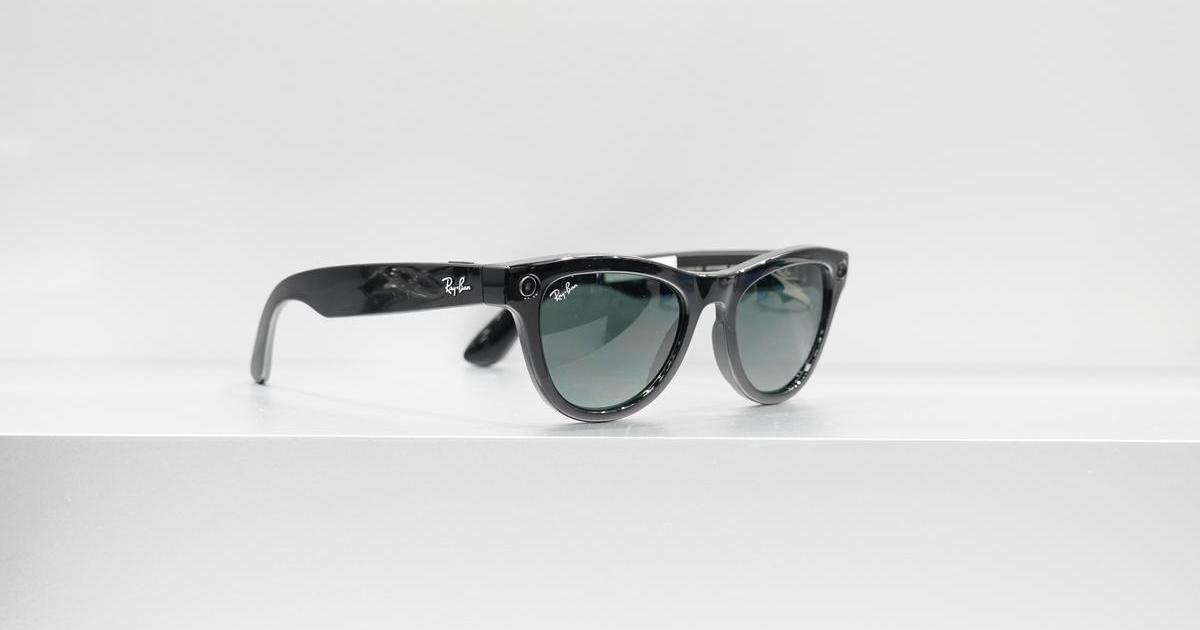
The integration of technology into our daily personal accessories has reached a new milestone with the official arrival of the Ray-Ban Meta smart glasses in the Japanese market. As wearable technology continues to evolve from niche hardware into mainstream fashion, this collaboration between Meta Platforms, Inc. And EssilorLuxottica represents a significant shift in how we perceive the intersection of artificial intelligence, and eyewear.
For consumers in Japan, the launch of these smart glasses marks a strategic expansion for Meta, bringing advanced camera capabilities and AI-integrated features into a familiar, high-end design language. The device is designed to function as both a functional pair of sunglasses or optical frames and a sophisticated tool for capturing media and interacting with digital assistants through a user’s point of view.
In a global move to bolster the visibility of this product line, the company has engaged high-profile brand ambassadors, including BLACKPINK’s Jennie, to headline the campaign. This partnership underscores the brand’s intent to position the hardware not merely as a tech gadget, but as an essential lifestyle accessory for a fashion-conscious audience. According to the official announcements from Meta regarding their wearable technology initiatives, the focus remains on enhancing user connectivity while maintaining the aesthetic standards of the iconic Ray-Ban brand.
Merging Iconic Style with Advanced AI
The core appeal of the Ray-Ban Meta collection lies in its commitment to traditional eyewear design. Unlike previous iterations of smart glasses that often featured bulky frames or obvious hardware protrusions, this generation maintains the sleek profile of the classic Wayfarer, among other styles. The integration of technology—including a discreet camera for photo and video capture and open-ear speakers for audio—is engineered to be unobtrusive.
From an economic and industrial perspective, the entry of such devices into the Japanese market follows broader trends in the global consumer electronics sector. Major technology firms are increasingly investing in “smart eyewear” as a primary interface for future AI applications. As reported in recent market analyses, the convergence of AI-powered hardware and personal fashion is expected to drive higher adoption rates among consumers who value both utility and design.
Accessibility and Market Presence in Japan
The distribution strategy for these smart glasses in Japan involves a selective approach, focusing on premium retail experiences. Consumers looking to experience the hardware firsthand are directed to specific retail partners, including selected locations of Meganesuper, to ensure the product is properly fitted and the technical features are demonstrated by trained staff.
For those interested in the technical specifications, the glasses feature a custom-built camera system capable of capturing high-fidelity images and video from the wearer’s perspective. This “point-of-view” capture is a central value proposition for the product, allowing users to document experiences without the need to hold a smartphone. The integration of Meta AI allows for voice-activated commands, enabling users to ask questions or control media playback seamlessly.
the deployment of such technology is subject to local regulations regarding privacy and data collection. As these devices gain traction, users are encouraged to review the privacy guidelines and best practices provided by the manufacturer to ensure responsible use of the camera and AI functions in public spaces.
The Future of Wearable Tech
The本格普及 (full-scale adoption) of smart glasses remains a topic of significant interest for industry observers. While the current generation focuses on media capture and audio, the long-term roadmap for companies like Meta suggests a transition toward augmented reality (AR) features. This trajectory aligns with the broader goals of the technology sector to move beyond the constraints of handheld screens.
As we look toward the next phase of development, the industry is closely watching how consumers integrate these devices into their professional and personal lives. The success of this launch in Japan may serve as a bellwether for the acceptance of AI-integrated wearables in other major Asian markets. Stakeholders, including retail partners and technology analysts, are monitoring feedback loops from early adopters to refine both the software capabilities and the physical comfort of the frames.
For those seeking the latest updates on software improvements or new style releases, the official Meta and Ray-Ban support portals remain the most reliable sources for information. As the market for AI-powered eyewear matures, we expect to see further refinements in battery life, processing power, and the integration of third-party applications.
This development is just the beginning of a broader shift in how we interact with the digital world. The arrival of these glasses in Japan is a clear signal that the era of “invisible computing” is moving from the laboratory to the high street. We invite our readers to share their thoughts on the evolution of smart eyewear—do you see these devices becoming a standard part of your daily carry, or do you prefer to keep your technology and your fashion separate? Join the conversation in the comments section below.
Worth a look