The municipal government of Zurich is exploring a significant shift in its digital infrastructure, moving toward the potential adoption of open-source alternatives to its current office software suite. As the largest city in Switzerland, with a population of over 436,000 residents, Zurich’s administrative operations rely heavily on robust, secure, and interoperable digital tools to manage public services, urban planning, and civic engagement City of Zurich Municipal Administration.
This initiative, which centers on reducing dependency on proprietary software ecosystems like Microsoft 365, reflects a broader trend among European public sector organizations aiming for greater digital sovereignty. By evaluating European-based or open-source office software, Zurich officials are looking to ensure that the city’s data remains under local control while fostering a more flexible, cost-effective, and transparent IT environment. This move is particularly relevant as municipalities across the continent increasingly prioritize data protection and the long-term sustainability of their software supply chains Canton of Zurich Official Portal.
The Push for Digital Sovereignty in Zurich
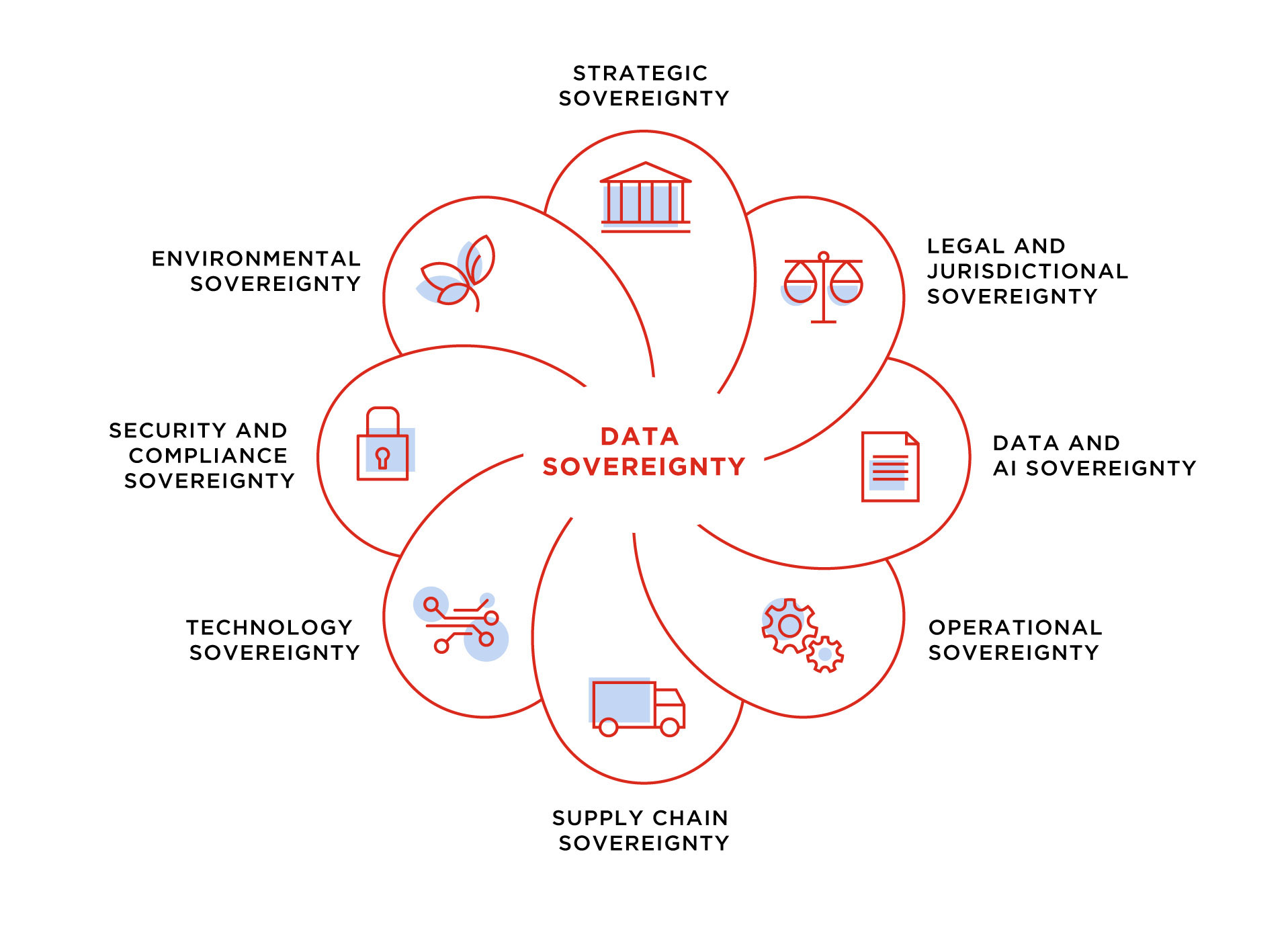
At the heart of the discussion is the concept of digital sovereignty—the ability of a public entity to maintain control over its own IT systems without being locked into the proprietary standards or licensing models of a single global vendor. For a major urban hub like Zurich, which functions as a critical center for railways, finance, and administration, the reliability of office software is non-negotiable. The city government, led by Mayor Corine Mauch, oversees a complex administrative apparatus that requires seamless communication and document management across numerous departments and thousands of employees City of Zurich Official Website.
Transitioning away from established global platforms is a complex undertaking that involves rigorous testing of interoperability, user experience, and security protocols. The goal is not merely to replace one tool with another, but to transition to an ecosystem that aligns with European data protection standards and local governance requirements. As these discussions move forward, the city is expected to evaluate how open-source alternatives can integrate with existing legacy systems while providing the necessary features for modern office productivity, including word processing, spreadsheet analysis, and collaborative project management.
Evaluating Open-Source Alternatives
Open-source software offers several advantages that appeal to government administrators, most notably the ability to audit code for security vulnerabilities and the absence of restrictive licensing fees that can fluctuate over time. By moving toward a more decentralized model, Zurich aims to mitigate the risks associated with vendor lock-in, where the cost and complexity of switching providers become prohibitively high. This strategy is consistent with efforts seen in other European jurisdictions that have begun shifting toward platforms like LibreOffice, Nextcloud, or specialized European cloud services designed for public sector use.
However, the transition is not without challenges. Large-scale IT migrations require extensive staff training, data migration strategies, and the potential for a period of reduced efficiency as teams adapt to new workflows. Zurich’s IT department is likely to prioritize a phased approach, conducting pilot projects in specific departments before considering a city-wide rollout. This ensures that the core functions of the municipal administration—such as the management of the 87.93 square kilometer municipality—remain uninterrupted during the transition Zurich Statistics Office.
What This Means for the Future
For the citizens of Zurich, the primary benefit of this potential shift is the long-term stability and security of the data handled by the city. When a government controls its own software stack, We see better positioned to implement security patches and data privacy measures that reflect local legal requirements rather than the global policies of a third-party corporation. By supporting European-based software developers, the city may contribute to the growth of a more robust local tech economy, fostering innovation within the regional software industry.
The move also signals to other major cities that digital independence is a viable and necessary goal for public administration in the 21st century. As Zurich continues to evaluate its options, industry observers will be watching closely to see how the city addresses the technical hurdles of such a transition and whether its model becomes a benchmark for other municipalities in Switzerland and beyond. While there is no immediate deadline for a total migration, the ongoing testing phase marks a pivotal step in the city’s digital evolution.
Key Considerations for Municipal IT Transitions
- Data Sovereignty: Ensuring that sensitive citizen data is stored and processed within secure, local, or European-controlled environments.
- Interoperability: Maintaining the ability to share documents and collaborate seamlessly with other government bodies and private sector partners.
- Cost Management: Reducing reliance on recurring licensing fees in favor of sustainable, long-term investment in open-source infrastructure.
- User Adoption: Providing comprehensive training and support to ensure that municipal staff can maintain productivity during the switch to new software interfaces.
As the city government prepares its next set of updates regarding the feasibility of these open-source tools, stakeholders are encouraged to monitor official communications from the Zurich municipal council for forthcoming reports on project milestones. The transition remains a work in progress, and future decisions will be guided by the results of current performance testing and internal security audits. We invite our readers to share their thoughts on the role of open-source software in public administration in the comments section below.
Worth a look