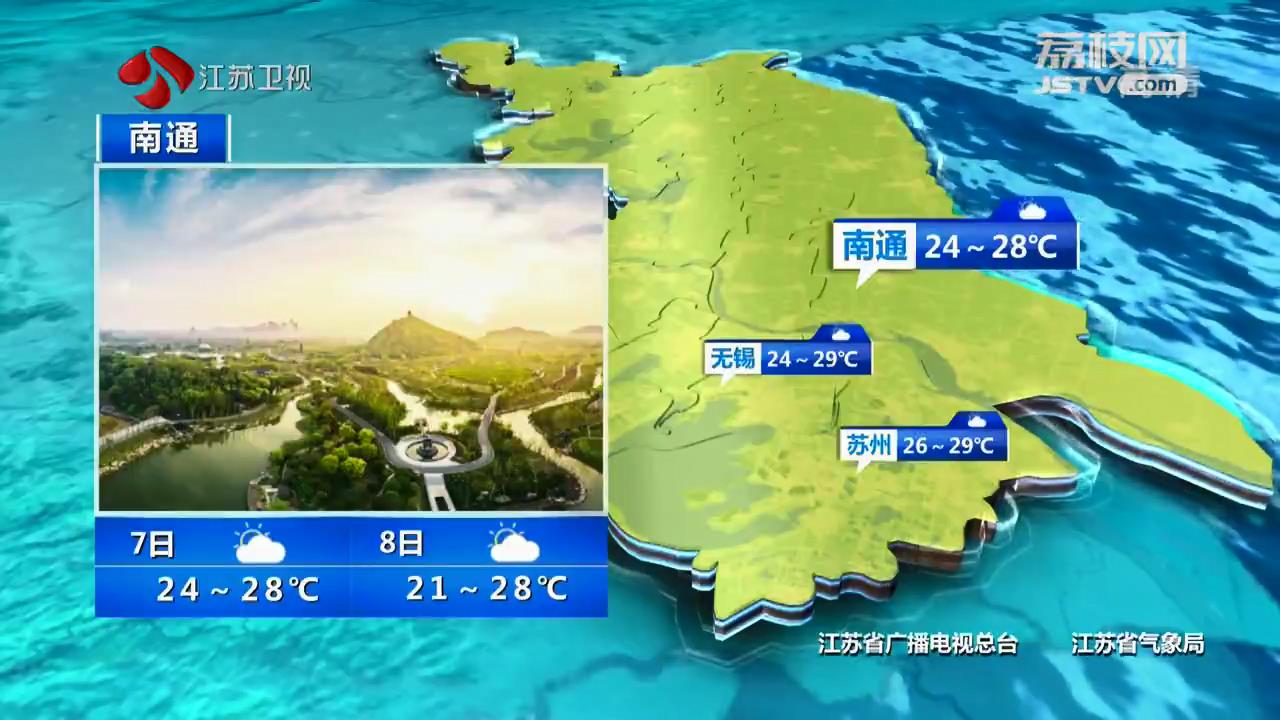
April 27, 2026 – Residents across Jiangsu province are bracing for a significant shift in weather patterns as meteorological forecasts indicate prolonged rainfall beginning immediately, followed by a noticeable drop in temperatures starting April 28. The changing conditions come amid a period of climatic variability that has seen alternating spells of warmth and precipitation across eastern China.
According to verified forecasts from provincial meteorological authorities, Jiangsu will experience persistent rain over the next three days, with precipitation expected to be widespread and moderate to heavy in some areas. This sustained rainfall is attributed to the influence of a slow-moving weather system drawing moisture from the South China Sea, which has been slow to progress due to weak steering currents in the mid-latitudes.
The onset of rain coincides with seasonal transitions typical of late April in the Yangtze River Delta, where fluctuating air masses often lead to unstable weather. While such patterns are not uncommon for this time of year, the duration and intensity of the upcoming rainfall have prompted local officials to issue advisories regarding potential impacts on transportation, agriculture, and outdoor activities.
Beginning April 28, a cold air mass originating from northern Asia is expected to move southward across the region, triggering a measurable decline in temperatures. Forecast models indicate that daytime highs could fall by as much as 8–10°C compared to recent days, with overnight lows approaching single digits in inland areas. This shift marks a return to cooler conditions after a brief period of above-average warmth earlier in the week.
The temperature drop will be accompanied by persistent cloud cover and continued chances of rain, particularly in the southern and central parts of Jiangsu. Urban centers including Nanjing, Suzhou, and Wuxi are expected to experience overcast skies and damp conditions, with humidity levels remaining elevated throughout the period.
Meteorologists emphasize that while the cooling trend is significant, it does not represent an extreme cold snap but rather a return to more typical seasonal norms for late April. Historical climate data for the region shows that average temperatures during this period usually range between 12°C and 20°C, suggesting the forecasted values align closely with long-term expectations.
Agricultural officials have noted that the rainfall could benefit winter crops nearing harvest and support early growth of summer-planted varieties, provided that drainage systems remain functional to prevent waterlogging. However, they caution that prolonged saturation may increase the risk of fungal diseases in certain vegetable and grain crops if sunlight remains limited.
Transportation authorities have advised motorists to exercise caution on highways and rural roads, particularly where reduced visibility and slick surfaces may result from continuous precipitation. Public transit operators in major cities have confirmed contingency plans are in place to manage potential delays, though no widespread disruptions have been reported as of yet.
The public is encouraged to monitor official updates from the Jiangsu Meteorological Bureau and local emergency management agencies for real-time developments. Recommended precautions include carrying rain protection when outdoors, ensuring proper ventilation in enclosed spaces to mitigate dampness, and checking on vulnerable individuals such as the elderly or those with respiratory sensitivities.
As the weather pattern evolves, forecasters will continue to track the movement of the cold front and its interaction with residual moisture in the atmosphere. Any changes to the timing or intensity of the temperature drop will be communicated through official channels, with updates expected at least twice daily until conditions stabilize.
For now, the focus remains on adapting to the immediate shift from variable spring weather to a more consistently cool and wet phase — a reminder of the region’s dynamic climate as it transitions toward the warmer months ahead.
Related reading