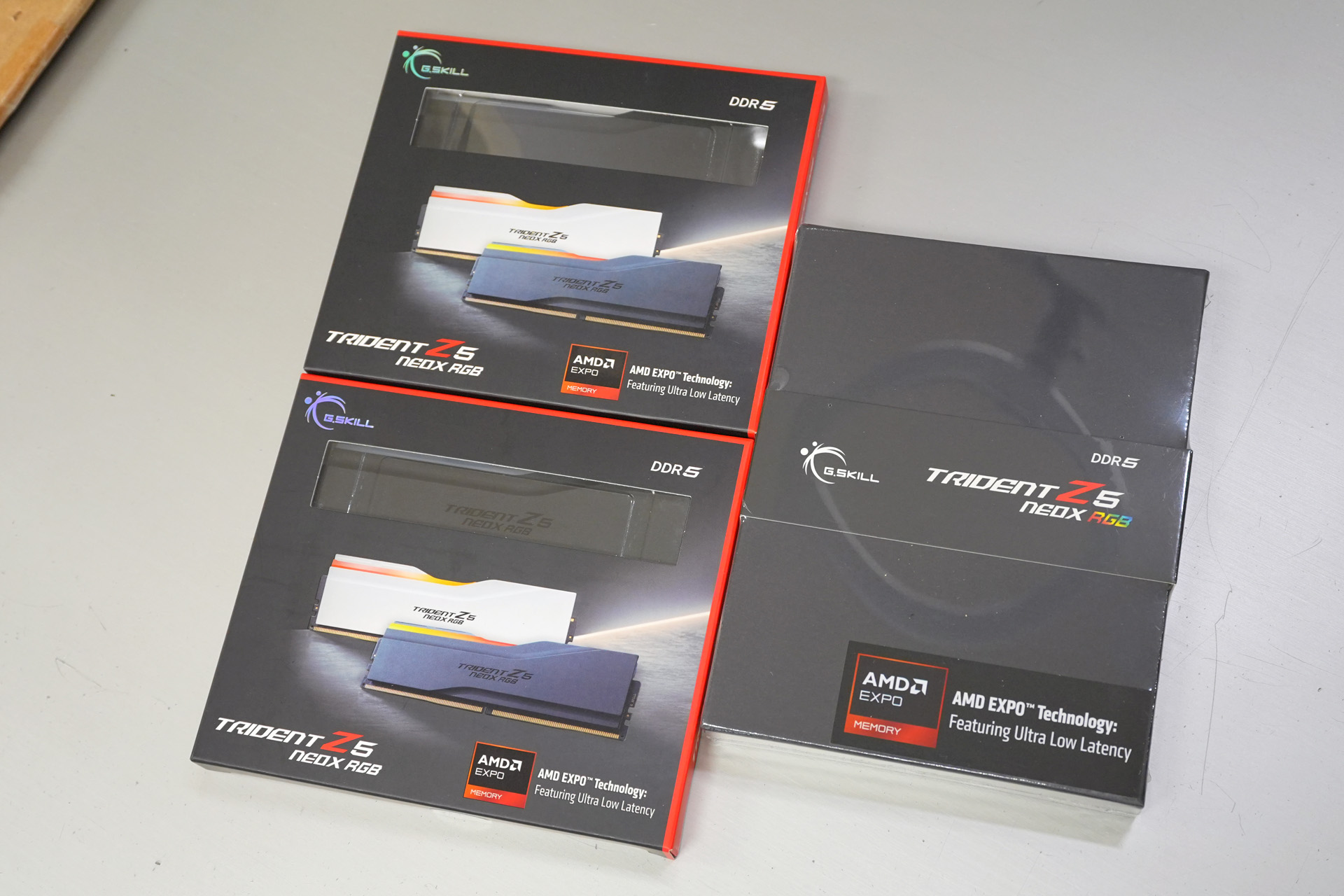
G.SKILL has introduced the Trident Z5 NeoX RGB, a new line of DDR5-6000 memory modules specifically engineered to support AMD’s EXPO ULL (Ultra Low Latency) technology. Designed for users of the latest Ryzen processors, these modules aim to reduce memory latency to improve system responsiveness in high-performance computing tasks.
The memory kits are built to operate at a frequency of 6000MT/s, a frequency widely considered the “sweet spot” for current-generation AMD Ryzen 9000 and 7000 series processors. By integrating EXPO ULL, the Trident Z5 NeoX RGB modules allow for tighter timing profiles, which can lead to measurable performance gains in memory-sensitive applications, such as gaming and professional content creation workflows.
Understanding EXPO ULL and Memory Latency
AMD’s Extended Profiles for Overclocking (EXPO) technology allows users to easily configure memory settings within the BIOS. The “ULL” designation signifies a push for lower latency—the time it takes for the memory to respond to a command from the processor. In high-performance computing, lower latency is often as critical as high clock speeds, particularly for gaming workloads where frame time consistency is essential.

According to AMD’s technical documentation, EXPO profiles are designed to optimize the communication between the memory controller and the RAM modules, ensuring stability at higher speeds. The transition to ULL profiles represents an iterative improvement in how these modules handle data requests, effectively reducing the number of clock cycles required to complete operations compared to standard JEDEC specifications.
For enthusiasts, the primary benefit of the Trident Z5 NeoX RGB is the ability to achieve these performance metrics with a single-click setting in the BIOS, provided the user is running a compatible motherboard and processor. This simplifies what was historically a manual, time-consuming process of tuning individual sub-timings.
Hardware Specifications and Design
The Trident Z5 NeoX RGB series retains the aesthetic language G.SKILL is known for, featuring a streamlined heat spreader design and customizable RGB lighting. The lighting is compatible with major motherboard control software, allowing users to synchronize the memory’s appearance with the rest of their system build.

The modules are specifically validated for the AMD Ryzen platform. Validation is a critical step in memory manufacturing, as it ensures that the memory’s voltage, frequency, and timing parameters remain stable under sustained load. Users should check their motherboard manufacturer’s Qualified Vendor List (QVL) to verify compatibility with their specific board model, as BIOS versions can significantly impact the stability of high-speed memory.
Performance Impact for Ryzen Users
The move to DDR5-6000 with ultra-low latency is part of a broader industry trend toward optimizing memory for the memory controller architecture inherent in modern CPUs. Because the Infinity Fabric of Ryzen processors is tied to the memory clock, maintaining an optimal ratio between the two is vital for system performance.

When running memory at 6000MT/s, the system typically maintains a 1:1 ratio with the memory controller, which is widely cited by hardware analysts as the most efficient configuration for the Ryzen 7000 and 9000 series. By lowering the latency within this 6000MT/s envelope, G.SKILL is targeting users who want the stability of the 1:1 ratio while squeezing additional performance out of their hardware.
For those interested in the technical minutiae of memory performance, JEDEC standards provide the baseline for DDR5 operation, but retail modules like the NeoX series often operate well beyond these base specifications, requiring the EXPO profile to correctly communicate these non-standard timings to the motherboard.
Next Steps for System Builders
G.SKILL has indicated that these modules will begin appearing in global retail markets shortly. Potential buyers should monitor the official product pages on the G.SKILL website for specific availability dates and regional pricing updates.
Before upgrading, it is recommended that users update their motherboard BIOS to the latest version. Manufacturers frequently release updates that improve memory compatibility and stability for new high-speed modules. If you have questions about whether your current build supports EXPO ULL, the best course of action is to consult your motherboard’s support page or the latest manual updates released by your hardware vendor.
We welcome your thoughts on this latest memory release. Are you planning to upgrade your system to take advantage of these new low-latency profiles? Share your experiences and questions in the comments below.
Related reading