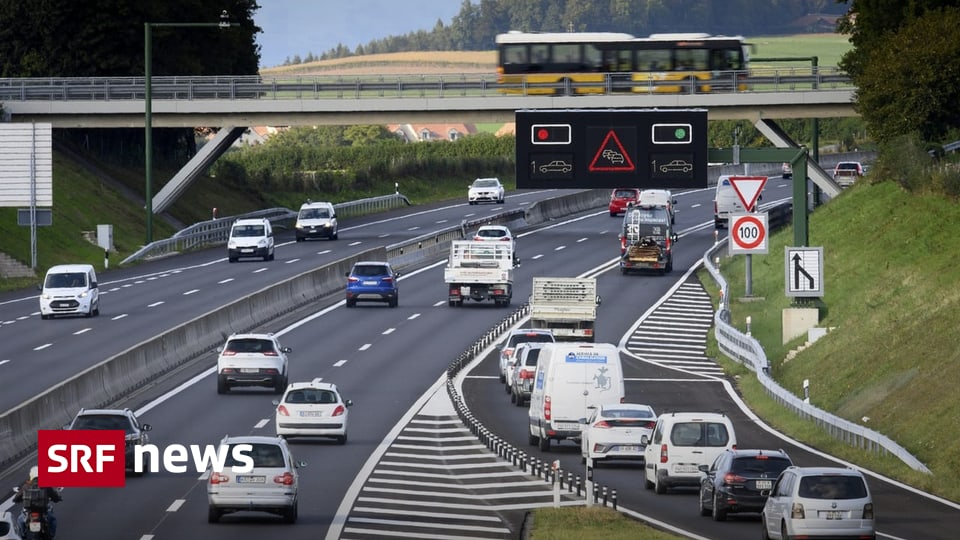
The Zurich Cantonal Police (Kantonspolizei Zürich) recently launched a viral social media campaign aimed at clarifying the correct application of the “zipper merge” (Reissverschlussprinzip) in road traffic. Through an educational video posted on Instagram, law enforcement officials addressed common misconceptions that frequently lead to congestion and aggressive driving behavior on Swiss motorways. The campaign highlights that merging at the very end of a lane—rather than merging prematurely—is the legally mandated and most efficient way to manage traffic flow when a lane ends.
According to the Swiss traffic regulations, the zipper merge is not merely a suggestion but a requirement under the Federal Act on Road Traffic (SVG). When one lane is obstructed or terminates, drivers in the continuing lane are required to allow vehicles from the ending lane to merge one by one. The Zurich Cantonal Police emphasize that the goal is to maintain a steady flow of traffic, preventing the “accordion effect” that occurs when drivers attempt to merge too early, which often results in unnecessary braking and increased phantom traffic jams.
Understanding the Zipper Merge Protocol
The core of the issue, as identified by the authorities, is the misunderstanding of “politeness” versus “rule-following.” Many drivers believe that merging as early as possible is the courteous choice. However, traffic engineers and police departments note that this behavior often leaves significant sections of the road underutilized, effectively shortening the capacity of the motorway. By driving to the end of the lane before merging, motorists distribute the load more evenly across the available road space.
The Federal Roads Office (FEDRO) provides technical guidelines that support this approach, noting that traffic density is optimized when the transition point is fixed at the obstruction. When vehicles merge prematurely, the resulting gap creates a void that causes the trailing traffic to stop abruptly, leading to a ripple effect of delays that can stretch for kilometers.
Legal Requirements and Driver Responsibility
Under Swiss law, failing to adhere to the zipper merge can be classified as obstructing traffic. While the primary goal of the Zurich police campaign is education, officials have noted that consistent adherence to these rules is essential for public safety. The “zipper” metaphor describes the process perfectly: one car from the left, one car from the right, alternating seamlessly.
The directive applies specifically when a lane is marked as ending or is blocked by an obstacle. In these instances, the driver in the lane that is coming to an end has the right to be integrated into the traffic flow, provided they signal their intent. Conversely, drivers in the continuing lane are obligated to create the necessary gap. Road users who intentionally block others from merging may face scrutiny, as such actions are considered a disruption of orderly traffic flow.
Why the Campaign Resonates with Road Users
The viral nature of the Instagram content reflects a broader frustration among commuters regarding traffic etiquette. In urban areas like Zurich, where traffic volume is high, the difference between a smooth commute and a standstill often comes down to the behavior of a few lead drivers. By using a visual, easy-to-digest format, the police have effectively reached a demographic that might otherwise overlook traditional traffic safety pamphlets.

Public feedback on the post suggests that many drivers were unaware that merging early was actually detrimental to the overall flow. The police have used this engagement to foster a dialogue about mutual respect on the road, emphasizing that the zipper principle is designed to reduce stress for everyone involved. For further updates on traffic regulations and safety advisories, motorists are encouraged to monitor the official Zurich Cantonal Police website.
The next steps for the department include continued monitoring of major traffic junctions to ensure compliance during peak hours. As of the latest official statements, no new legislative changes are planned, as the current framework is sufficient when correctly applied by the public. Readers are invited to share their experiences with the zipper merge in the comments below, provided they remain respectful and focused on road safety practices.
Related reading