
In the wake of a tragic maritime incident off the coast of Henoko, Okinawa, a complex debate has emerged regarding the intersection of academic freedom, student safety and the role of political education in Japanese schools. On March 16, 2026, a protest boat—identified as the Fukutsu—capsized during a field trip, resulting in the deaths of two individuals, including a student from Doshisha International High School. As investigations into the circumstances of the accident continue, educators and social entrepreneurs have begun to raise significant concerns regarding official responses to the tragedy.
The incident has drawn scrutiny from the Ministry of Education, Culture, Sports, Science and Technology (MEXT), which has raised questions regarding the political nature of the school’s educational activities. This intervention has sparked a sharp counter-response from figures such as social entrepreneur Nana Takamatsu, who argues that administrative pressure regarding the “political” content of field trips risks creating a culture of institutional “chilling effects” within the Japanese education system. The tension highlights a growing divide over how schools should balance experiential learning with safety and the boundaries of state-mandated curriculum neutrality.
The Henoko Incident and Administrative Scrutiny
The tragedy occurred in the waters off Henoko, Nago City, an area currently characterized by ongoing construction related to the relocation of the Futenma Air Base. The Fukutsu, a vessel utilized by the Heli Base Protest Council (Hentai-kyo), was carrying students at the time of the capsizing. Following the loss of life, authorities have sought to clarify the operational circumstances of the vessel and the nature of the school-sanctioned excursion. Reports indicate that MEXT has scrutinized the pedagogical justification for these activities, questioning whether they align with the requirements of the Basic Act on Education, which mandates political neutrality in schools.
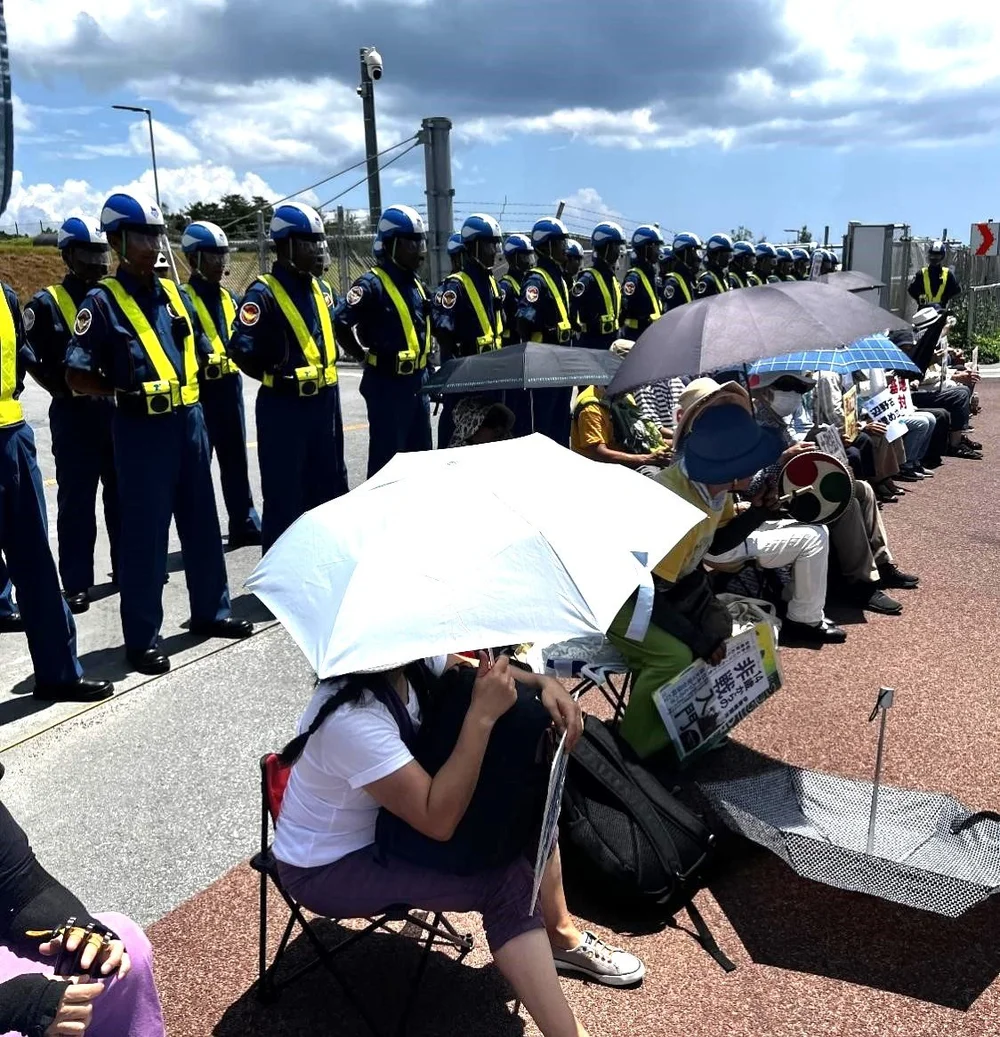
For many educators, this administrative posture is viewed as a deterrent to hands-on, civic-minded learning. Critics of the government’s stance, including Takamatsu and various high school teachers, argue that framing site visits to protest zones as “political” or “biased” discourages schools from engaging with complex, real-world social issues. They contend that the focus should remain on the safety protocols and risk management failures that led to the maritime accident, rather than using the tragedy as a pretext to restrict the scope of educational inquiry.
Balancing Academic Freedom and Student Safety
The core of the current discourse involves the delicate balance between protecting student welfare and maintaining academic freedom. The Ministry of Education’s emphasis on neutrality is rooted in a long-standing legal and administrative framework designed to prevent the indoctrination of students. However, the application of these standards in the context of the Henoko relocation project—a highly contentious and long-standing national policy issue—has proven to be a flashpoint for debate.
Those advocating for the school’s right to conduct such field trips argue that understanding the Henoko relocation project is essential for students to grasp contemporary Japanese civic life. By labeling these activities as potentially “political,” observers like Takamatsu suggest that the government is inadvertently signaling that certain topics are “off-limits,” thereby stifling the highly critical thinking skills that secondary education is intended to foster. The argument posits that if schools fear administrative repercussions, they will gravitate toward safer, more sanitized curricula, ultimately depriving students of the opportunity to witness and evaluate the democratic processes at play in their own country.
Moving Forward: Accountability and Investigation
While the ideological debate over educational policy continues, the immediate priority for authorities remains the investigation into the technical and procedural failures that led to the capsizing of the protest boat. As of early June 2026, the local authorities are continuing to examine the circumstances surrounding the navigation and safety management of the vessel involved in the March 16 accident. The legal and administrative inquiries are expected to unfold over the coming months, as stakeholders seek to understand how a student excursion resulted in such a catastrophic outcome.
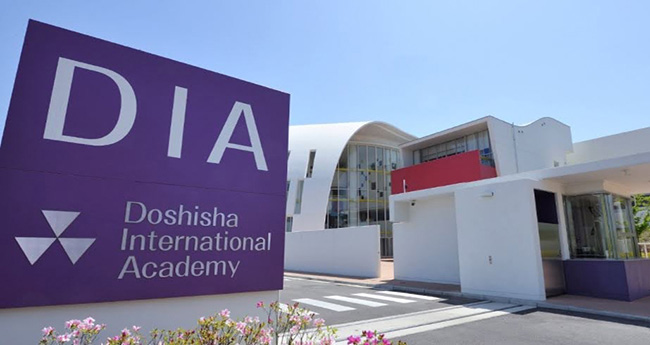
The path forward for Doshisha International High School and other institutions considering similar field trips remains uncertain. Educators are calling for clearer guidelines that differentiate between political engagement and the exploration of social realities, while MEXT continues to emphasize the responsibility of schools to ensure that educational activities do not cross the threshold into partisan activity. As the situation develops, the broader community awaits further official reports regarding the safety standards for vessels used in student-led protest observation.
We invite our readers to share their perspectives on the role of schools in navigating sensitive social issues. How can educators balance the need for critical, real-world engagement with the mandates of neutral instruction? Please leave your comments below as we continue to track this developing story.