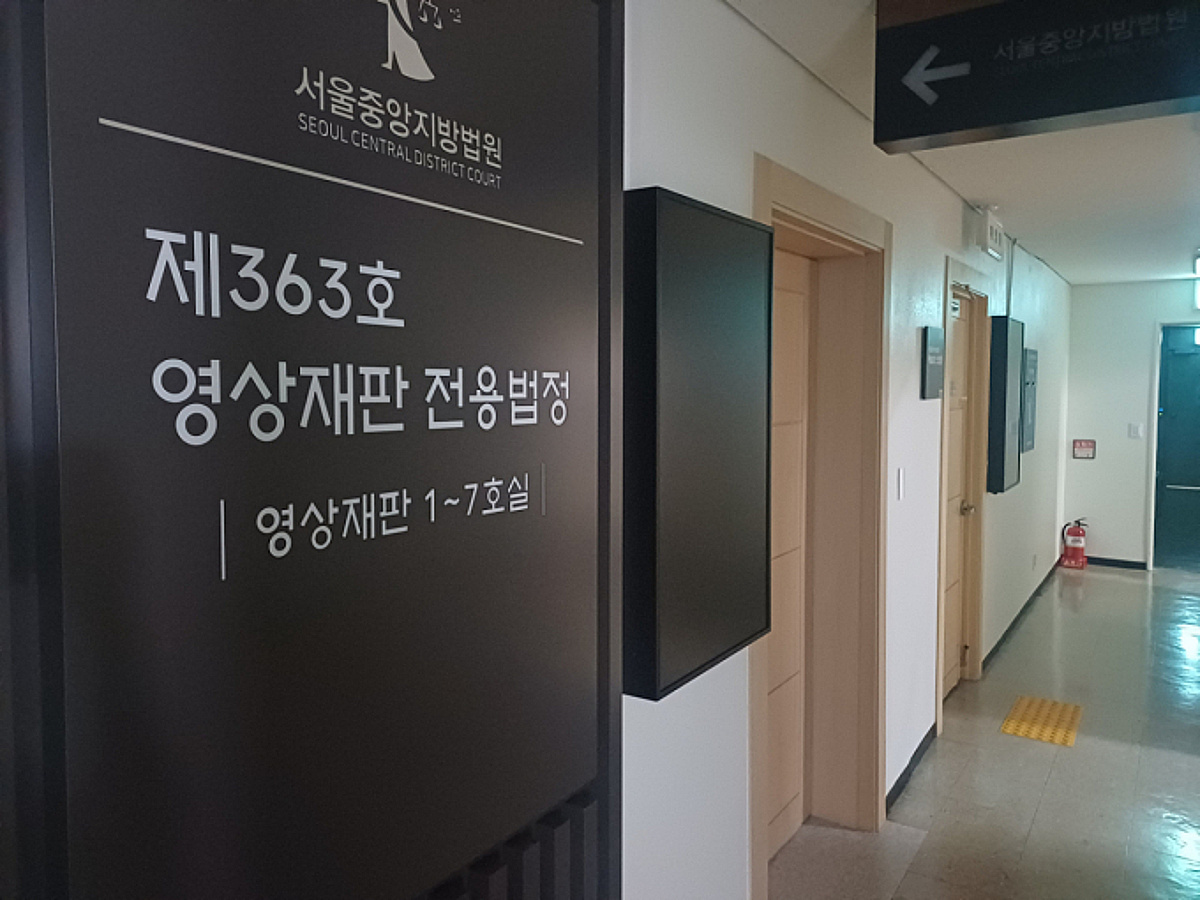
As South Korean courts expand remote proceedings to modernize the judiciary and ease procedural burdens, legal professionals are stepping before cameras in traditional courtroom attire to participate in virtual trials. This digital shift has sparked a broader conversation regarding judicial trust, public access, and the evolving nature of advocacy in modern litigation. According to recent court proceedings, attorneys are appearing via dedicated video systems while maintaining the formal dress codes and decorum historically required inside physical courtrooms.
The integration of video-based trials aims to streamline court calendars and reduce travel requirements for litigators handling geographically dispersed dockets. However, legal scholars and practitioners note that transitioning significant portions of judicial interaction to digital platforms requires careful safeguards to preserve the solemnity of court procedures and public confidence in judicial outcomes. Ensuring reliable technology, secure data transmission, and clear protocols for remote witness examination remain central priorities for court administrators.
Public trust in judicial proceedings depends heavily on transparency and the perceived fairness of trials, whether conducted in person or through digital screens. Legal observers emphasize that maintaining courtroom standards—such as formal attire and strict adherence to procedural rules—helps bridge the gap between physical and virtual courtrooms. As courts evaluate the long-term viability of remote litigation, policymakers continue to weigh efficiency gains against the intangible benefits of traditional, in-person judicial engagement.
Expanding Remote Proceedings in South Korean Courts
The adoption of video technology in judicial settings represents a calculated step toward administrative modernization within the court system. Dedicated video courtrooms allow judges, attorneys, and litigants to connect securely without requiring physical presence in a centralized courthouse. This capability reduces delays caused by scheduling conflicts and travel constraints, allowing courts to process caseloads more efficiently.
Maintaining professional standards during virtual sessions is considered essential for upholding the authority of the court. When attorneys appear in shirts and ties via video links, it reinforces the gravity of the legal process for both the participants and any observers watching through authorized remote viewing stations. Court administrators continue to refine technical guidelines to prevent disruptions, ensure audio-visual clarity, and protect the confidentiality of sensitive legal arguments.
Balancing Efficiency and Judicial Trust
While digital hearings offer clear logistical advantages, they also introduce distinct challenges regarding communication and non-verbal cues between judges and counsel. Effective advocacy often relies on direct engagement and real-time observation of courtroom reactions, elements that can be muted or distorted through a digital interface. Legal analysts suggest that courts must carefully designate which types of hearings are suitable for remote formats to protect the rights of all parties involved.
Public accessibility is another critical component of judicial trust. Virtual viewing options allow interested citizens and journalists to monitor proceedings without crowding physical courtrooms, potentially broadening public oversight. At the same time, courts must implement robust cybersecurity measures to prevent unauthorized recording or interference with live video streams, safeguarding the integrity of the judicial record.
Next Steps and Future Court Operations
Court officials plan to continue evaluating the effectiveness of video trials through ongoing administrative reviews and feedback from legal practitioners. Future scheduling announcements and procedural updates will be made available through official court communication channels as guidelines evolve to meet technological and institutional demands.
Related reading