
Diplomatic channels between the United States and Iran are reportedly slated for a new round of working-level discussions on the 30th, as both nations seek to address persistent tensions regarding nuclear proliferation and maritime security in the Persian Gulf. This potential engagement, if realized, represents a critical attempt to bridge substantial policy gaps that have defined the bilateral relationship for years, according to international observers monitoring regional developments.
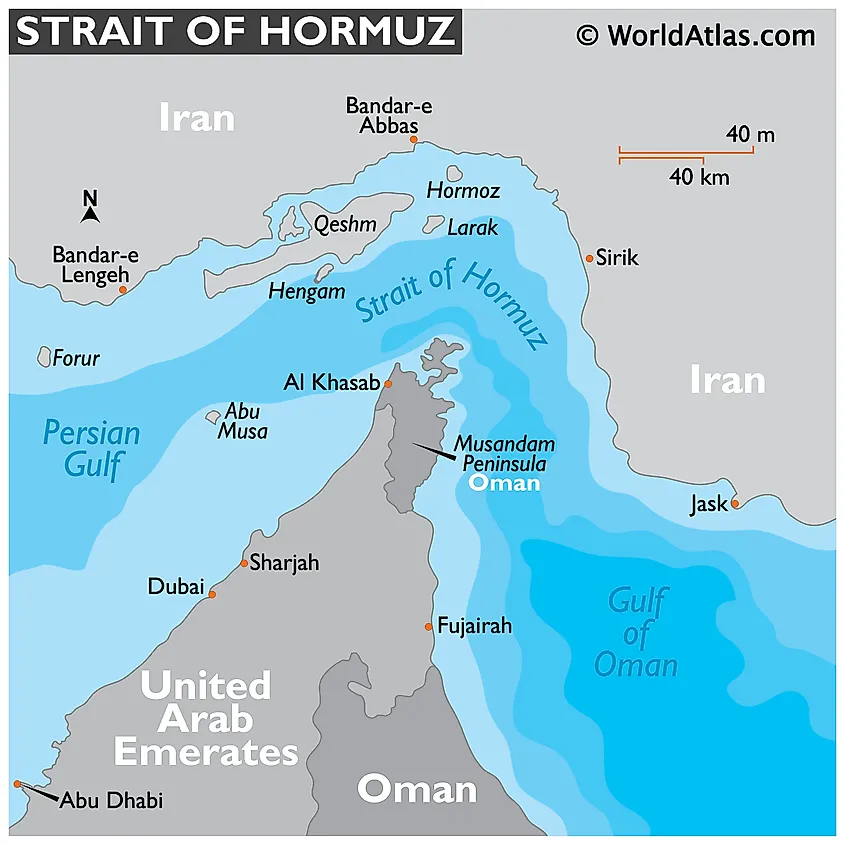
The upcoming talks are expected to focus on the stability of the Strait of Hormuz—a vital global energy chokepoint—and the ongoing status of Iran’s nuclear program, which remains under scrutiny by the International Atomic Energy Agency (IAEA). While neither Washington nor Tehran has issued a definitive confirmation of a formal summit, the prospect of renewed dialogue follows months of indirect communication aimed at de-escalation, as noted in recent reports from global monitoring agencies.
Addressing Maritime Security and Nuclear Policy
The core of the discussions centers on two primary, long-standing disputes. First, the security of the Strait of Hormuz remains a high-stakes issue for the international community. Approximately 20% of the world’s total petroleum liquids consumption passes through this narrow waterway, according to data from the U.S. Energy Information Administration. Any disruption to traffic in this region carries immediate consequences for global energy prices and shipping insurance premiums.
Second, the nuclear impasse continues to overshadow regional diplomacy. The International Atomic Energy Agency has consistently reported on the expansion of Iran’s uranium enrichment activities, which remain a primary concern for the U.S. and its regional allies. Negotiators are tasked with finding a framework that might limit these activities in exchange for potential sanctions relief or humanitarian concessions, though previous attempts to revive the 2015 Joint Comprehensive Plan of Action (JCPOA) have faced significant hurdles.
The Context of U.S.-Iran Relations
The relationship between the two nations has been marked by a cycle of sanctions and reciprocal military posturing. The U.S. maintains a robust sanctions regime against Iran, which impacts the country’s banking, energy, and shipping sectors. According to the U.S. Department of the Treasury, these measures are designed to pressure the Iranian government to alter its regional security policies and nuclear trajectory.

For its part, Iran has consistently maintained that its nuclear program is strictly for peaceful purposes and has criticized the U.S. for unilaterally withdrawing from the 2015 nuclear agreement under the previous administration. The volatility of this relationship is often reflected in global financial markets, where shifts in geopolitical risk directly influence the valuation of the U.S. dollar against other currencies, including the Japanese yen, as investors seek stability during periods of uncertainty.
What Happens Next?
The international community is closely watching for official statements following the 30th to determine if these working-level discussions yield any concrete commitments. Observers suggest that while a breakthrough is unlikely in a single session, the resumption of direct communication is often viewed as a necessary precondition for preventing unintended military escalation.
Key indicators of progress will include:
- Whether both parties issue a joint statement or separate acknowledgments of the talks.
- Any signs of a “de-escalation” agreement regarding maritime traffic in the Strait of Hormuz.
- Updates from the IAEA regarding technical access to Iranian nuclear facilities.
As of now, there is no verified schedule for follow-up high-level meetings. The success of these working-level efforts will likely depend on the willingness of both sides to move beyond long-held grievances in favor of pragmatic, incremental security measures. Readers are encouraged to monitor official briefings from the U.S. State Department and the Iranian Ministry of Foreign Affairs for the most accurate, real-time updates on these developments.
What are your thoughts on the potential for diplomatic progress in the Middle East? Share your perspective in the comments section below.
Worth a look