
Legislative efforts to force large-scale technology companies to shoulder the rising energy costs associated with artificial intelligence data centers have encountered significant resistance in Congress, stalling momentum for immediate regulatory action. As the rapid expansion of AI infrastructure places unprecedented strain on the U.S. electrical grid, lawmakers remain divided over whether to impose new financial mandates on tech firms or to allow current market-based utility models to persist, according to reports from Politico.
The legislative friction centers on the proposed Ratepayer Protection Act and broader discussions regarding a national moratorium on new data center construction. Proponents of these measures, including Representative André Carson, argue that the immense power requirements of AI training facilities risk driving up electricity prices for residential consumers and small businesses. Conversely, industry lobbyists and some lawmakers contend that such interventions could stifle American technological leadership and hinder the development of domestic AI capacity.
The Debate Over Energy Costs and AI Infrastructure
The core of the current legislative dispute involves the financial responsibility for grid upgrades necessitated by the proliferation of massive data centers. As AI models require increasingly dense computing power, the facilities housing them have become some of the largest single-site electricity consumers in the country. Data from the U.S. Energy Information Administration highlights that electricity consumption from data centers is projected to grow significantly by 2026, forcing utility companies to seek rate hikes to fund the expansion of transmission lines and power generation capabilities.
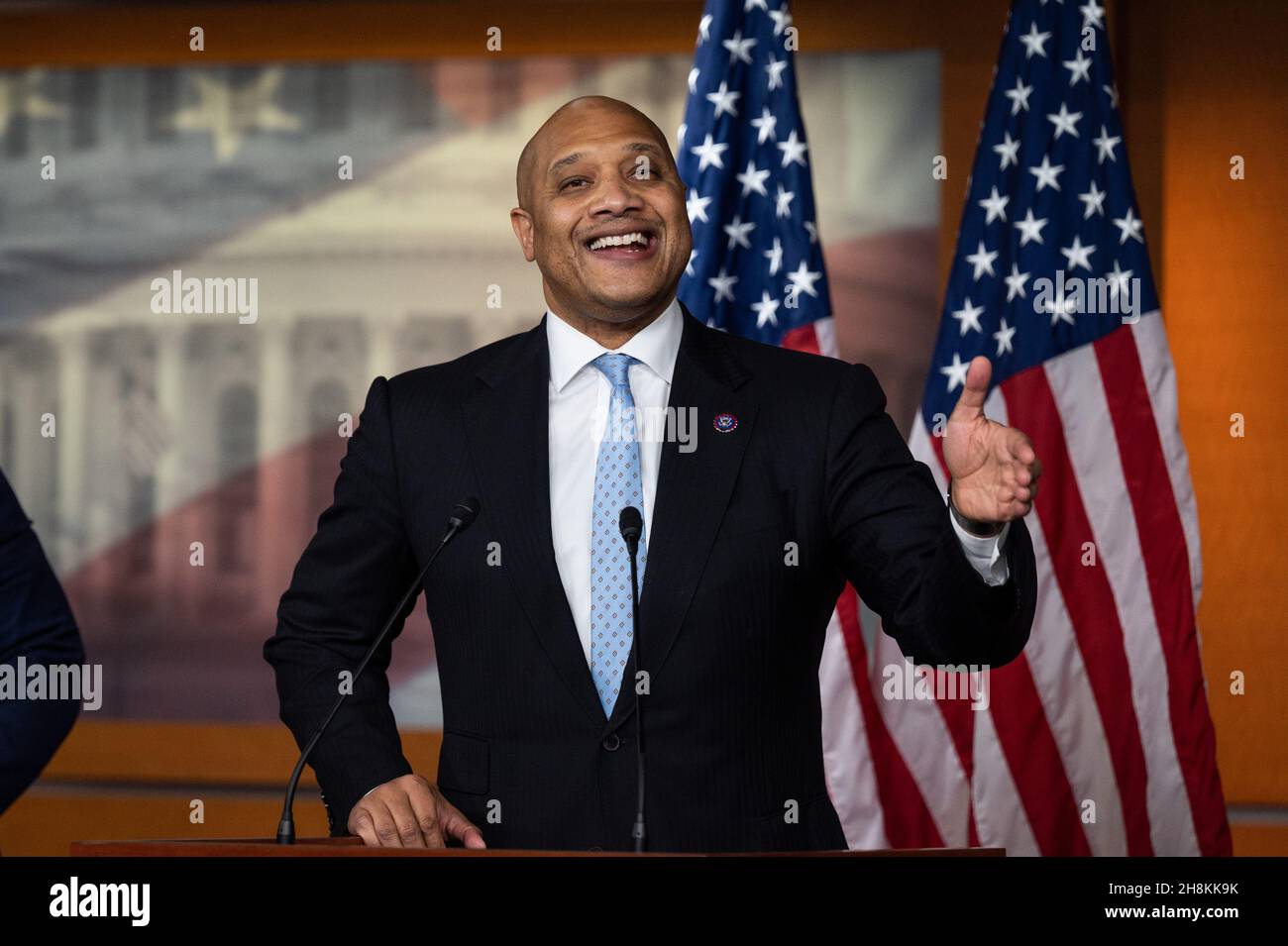
Representative André Carson has introduced legislation aimed at implementing a moratorium on the approval of new data centers until further studies are conducted on their long-term impact on the grid. Supporters of the bill characterize the move as a common-sense protection for ratepayers, ensuring that the costs of grid modernization are not unfairly shifted onto average citizens. However, critics of the bill, including various technology trade groups, argue that the energy transition is already underway and that targeted, sector-specific regulations would create market uncertainty, according to analyses published by Heatmap News.
Legislative Hurdles and Regulatory Proposals
Beyond the moratorium debate, members of the House Energy and Commerce Committee, including Representative Frank Pallone, have expressed concern regarding the transparency of utility planning. The legislative path for these proposals remains narrow, as bipartisan consensus on energy policy is difficult to achieve in an election year. While some members favor a national approach, others argue that energy regulation is primarily a state-level responsibility, governed by public utility commissions that are better equipped to balance local economic interests with infrastructure needs.
The tension between the desire to capitalize on the AI boom and the need for grid reliability has created a complex political landscape. According to reporting by CNBC, the potential for federal intervention has prompted tech companies to increase their direct investments in energy projects, including nuclear and renewable energy initiatives, in an attempt to preemptively address capacity concerns without direct government mandates.
What Happens Next for Data Center Regulation
The immediate future of these legislative proposals depends on the committee schedule and the willingness of leadership to bring such measures to a vote. As of late 2024, no single piece of legislation has cleared the necessary hurdles to become law. Observers expect that the dialogue will continue into the next legislative session, particularly as utility companies submit their annual integrated resource plans to state regulators.
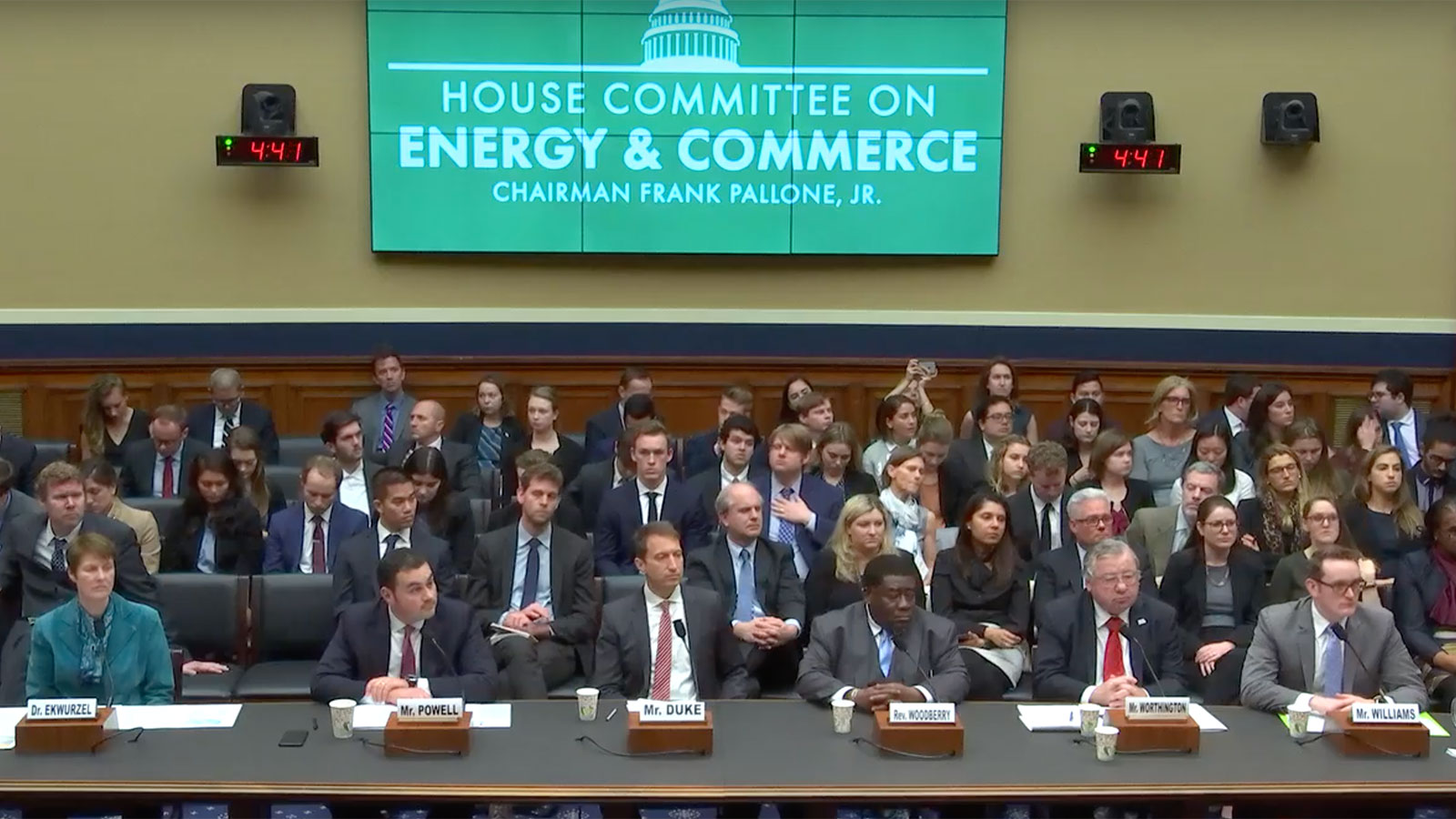
Readers interested in tracking these developments can monitor the official House Energy and Commerce Committee website for hearing schedules and legislative markups. Stakeholders, including consumer advocacy groups and industry representatives, are expected to continue providing testimony as the debate over the intersection of AI development and national energy security persists. We encourage our readers to join the conversation in the comments section below to share their perspectives on whether federal intervention is necessary to manage the energy demands of the digital age.