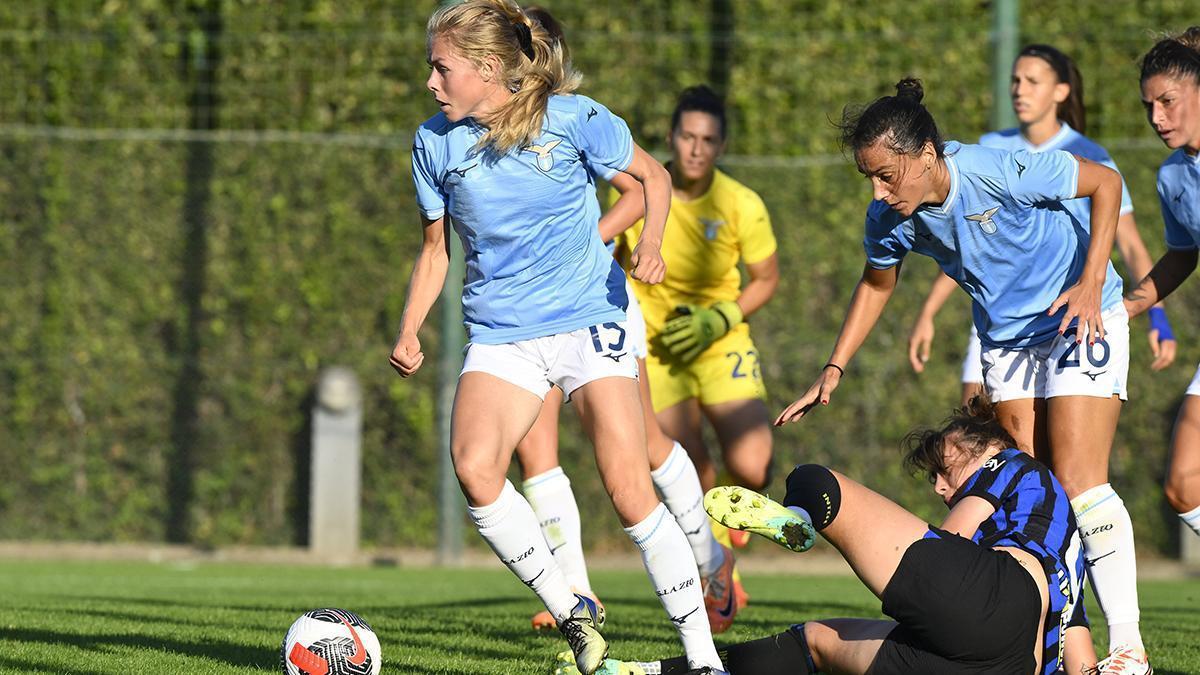
The Court of Arbitration for Sport (CAS) has ruled that a professional football club acted illegally when it failed to renew a player’s contract due to her pregnancy, marking a significant legal precedent for maternity rights in women’s sports. This decision, which centers on the principle of non-discrimination, confirms that pregnancy cannot serve as a valid justification for terminating or failing to extend an employment relationship in professional football, according to official records from the Court of Arbitration for Sport.
The ruling addresses a case involving an unnamed female athlete who was denied a contract renewal by her club following her pregnancy and subsequent maternity. By determining that the non-renewal was directly linked to her status as a pregnant woman, the tribunal has underscored the binding nature of international labor standards as applied to the sporting sector. This FIFA-regulated framework, which governs the status and transfer of players, explicitly protects athletes against discrimination based on gender or family status.
Legal Precedents for Maternity in Professional Sports
This decision aligns with broader shifts in global sports governance, particularly those led by FIFA. In recent years, the international governing body has implemented mandatory maternity leave provisions, requiring clubs to provide a minimum of 14 weeks of maternity leave, during which the player must receive at least two-thirds of their contracted salary. According to the official FIFA regulatory updates, these protections were designed to ensure that female athletes do not face career-ending consequences for choosing to start a family.
The CAS ruling serves as an enforcement mechanism for these regulations. Legal experts note that the case is vital because it moves beyond internal club policy and establishes a clear, enforceable standard at the international level. By ruling that the club’s failure to renew the contract was discriminatory, the tribunal has provided a roadmap for future disputes regarding the rights of professional female players. The decision clarifies that clubs cannot cite “sporting reasons” if the underlying motivation is revealed to be pregnancy or maternity, a move that reinforces the International Labour Organization’s standards regarding the protection of motherhood in the workplace.
Impact on Club Employment Practices
For football clubs, this ruling necessitates a comprehensive review of contract negotiation and renewal protocols. The decision signals to management that the “sporting merit” defense is insufficient when employment decisions coincide with a player’s pregnancy. Organizations are now under increased pressure to ensure that their administrative processes are transparent and free from gender-based bias, as failure to do so could result in significant financial penalties and reputational damage, as outlined in the FIFA Dispute Resolution Chamber guidelines.

The ruling also highlights the power imbalance that often exists between clubs and athletes. In many instances, players may feel unable to challenge non-renewal decisions due to a lack of resources or fear of professional blacklisting. The involvement of the CAS provides an independent, neutral forum for athletes to seek redress. This outcome is likely to encourage more players to assert their rights, knowing that international legal bodies have affirmed that maternity is a protected status rather than a breach of professional commitment.
What Happens Next for Female Athletes
Following this judgment, the focus shifts to how national federations and leagues will integrate these protections into their local statutes. While the CAS ruling is binding in the immediate case, it also serves as a persuasive authority for other tribunals handling similar complaints. The expectation is that national governing bodies will adopt stricter monitoring of contract cycles to ensure that pregnancy does not negatively impact a player’s standing within her team, according to reports from the International Federation of Professional Footballers (FIFPRO).

Players who believe their rights have been violated are encouraged to consult with their respective player unions to assess their legal options. The path for resolution typically begins with the internal dispute mechanisms of a national league before escalating to the FIFA Dispute Resolution Chamber and, if necessary, the Court of Arbitration for Sport. As more cases reach this level of scrutiny, the landscape for women’s professional sports is expected to become increasingly equitable, ensuring that athletes can balance their professional ambitions with their personal lives without the threat of discriminatory retaliation.
We will continue to monitor updates regarding the implementation of these standards by international clubs. If you have questions about the legal frameworks protecting athletes or wish to share your thoughts on the evolution of these rights, please join the conversation in the comments section below.