
Projections from the Korea Meteorological Administration (KMA) indicate that the Korean Peninsula is undergoing a rapid climatic shift, with regions as far north as Gangneung and Uljin expected to transition into a subtropical climate zone within the next 50 years. This environmental transformation is primarily driven by rising average temperatures and shifting precipitation patterns, a trend consistent with global climate change models documented by international scientific bodies.
The transition toward a subtropical environment, characterized by hot, humid summers and mild winters, has already begun to reshape the agricultural and ecological landscapes of South Korea. According to official data from the Korea Meteorological Administration, the number of tropical nights—where temperatures remain above 25°C—has increased significantly in coastal cities along the East Sea over the past decade. This shift is not merely a seasonal anomaly but a sustained trend linked to broader climate patterns across East Asia.
Drivers of the Climatic Shift
The warming of the Korean Peninsula is often discussed in the context of global greenhouse gas emissions and their cumulative impact on regional weather systems. Scientific consensus, as outlined in the Sixth Assessment Report by the Intergovernmental Panel on Climate Change (IPCC), identifies human-induced climate change as the primary driver behind the rising frequency of extreme heat events. While localized weather phenomena are complex, the long-term data confirms that the warming rate in South Korea has exceeded the global average over the last 30 years.
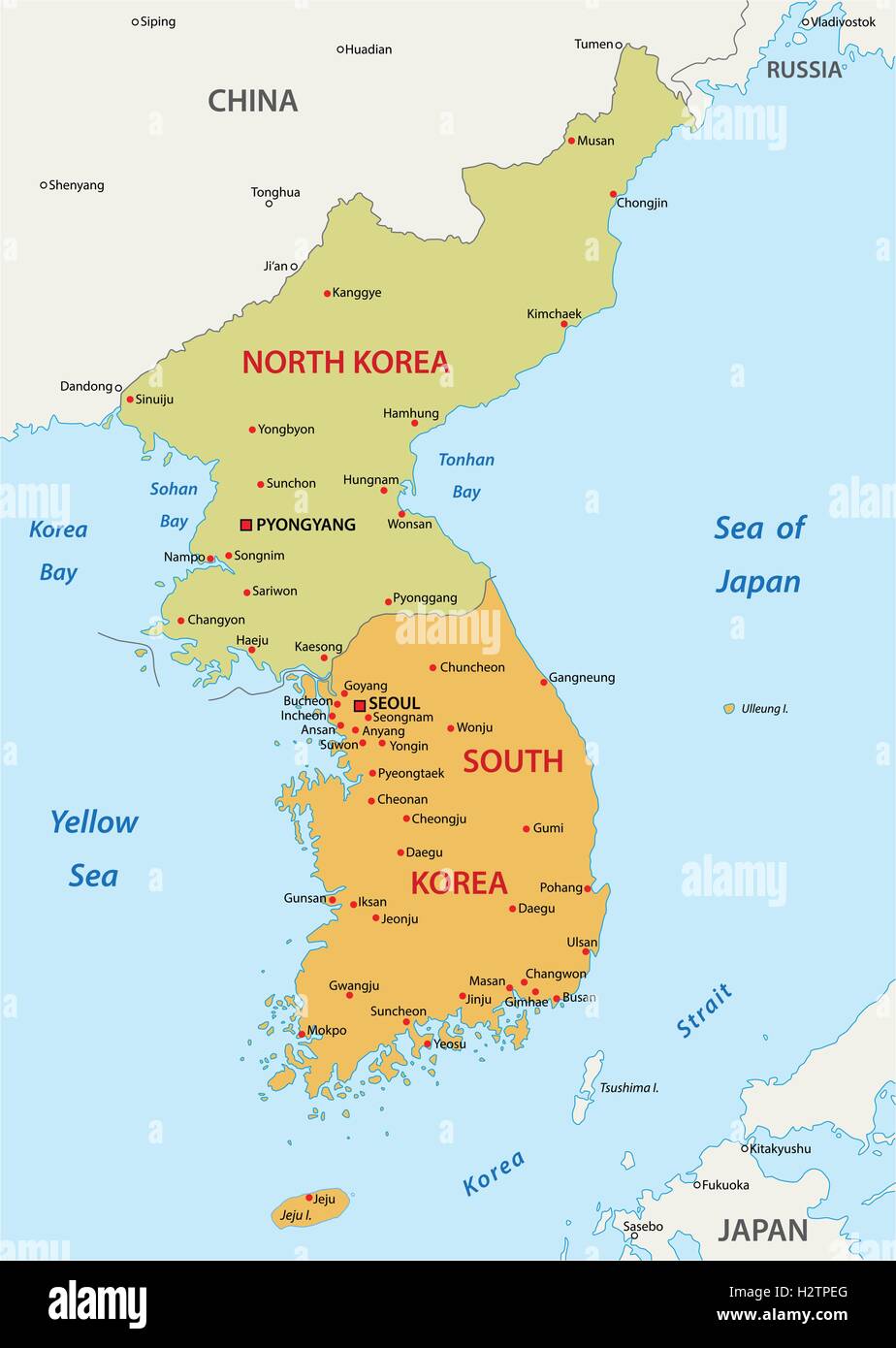
The geographic expansion of subtropical conditions northward along the eastern coastline is attributed to both rising sea surface temperatures in the East Sea and changing atmospheric circulation patterns. As the subtropical zone moves upward, the traditional cultivation of crops suited for temperate climates, such as apples, is already migrating toward higher altitudes and more northern latitudes, as reported by the Ministry of Agriculture, Food and Rural Affairs.
Economic and Social Implications
The shift toward a subtropical climate presents significant challenges for infrastructure, public health, and industry. Urban planning in coastal cities like Gangneung and Uljin must now account for increased heat stress, which affects energy demand for cooling and the resilience of public utility networks. Health authorities have emphasized the need for targeted strategies to protect vulnerable populations during the extended summer months, as heat-related illnesses continue to rise in frequency during peak temperature periods.
Agricultural sectors are also undergoing a necessary transition. Farmers are increasingly pivoting toward tropical fruit cultivation, such as mangoes and passion fruit, which thrive in the warming environment. This adaptation is supported by government initiatives aimed at stabilizing domestic food supplies in the face of shifting seasonal norms. However, the loss of traditional temperate crop yields remains a primary concern for rural economies that have historically relied on cooler-weather harvests.
Adapting to a New Climate Reality
Adaptation strategies are being integrated into national policy to mitigate the long-term effects of this warming trend. The South Korean government continues to monitor climate indicators through the Korea National Park Service and other environmental agencies, which track biodiversity shifts and habitat loss. These efforts are part of a broader commitment to climate resilience as outlined in national environmental framework laws.
For residents and stakeholders, staying informed through official channels is essential for managing the risks associated with this environmental change. Regular updates on heat advisories and climate projections are published by the Korea Meteorological Administration, providing the necessary data for local government planning and individual preparedness. As the peninsula moves toward a subtropical future, the focus remains on balancing economic development with the urgent need for sustainable environmental management.
The next official climate assessment report from the KMA is expected to provide updated projections on temperature thresholds and regional impacts. We encourage our readers to share their observations on local environmental changes or contribute to the ongoing discussion regarding climate policy in the comments section below.
Worth a look