Urban heat islands—metropolitan areas significantly warmer than their rural surroundings—now require more than passive cooling strategies like white roofs and traditional parks to combat record-breaking temperatures. While reflective surfaces and green spaces provide localized relief, climate scientists and urban planners increasingly argue these measures are insufficient as standalone solutions against the rapid acceleration of extreme heat events caused by global climate change.
According to the U.S. Environmental Protection Agency (EPA), urban heat islands can raise city temperatures by as much as 1 to 7 degrees Fahrenheit during the day compared to outlying areas. As a physician, I have observed how this phenomenon exacerbates public health risks, particularly for vulnerable populations, by preventing nighttime cooling and increasing the duration of heat-related stress on the human body.
The Evolving Role of Reflective Infrastructure
White roofs, often referred to as “cool roofs,” operate on the principle of high solar reflectance. By reflecting a larger percentage of sunlight than traditional dark roofing materials, they reduce the amount of heat absorbed by building structures. The U.S. Department of Energy confirms that cool roofs can remain up to 50 degrees Fahrenheit cooler than conventional roofs during peak summer heat. This reduction in solar gain lowers the cooling load on buildings, which in turn decreases the strain on electrical grids during heatwaves.

However, the efficacy of white roofs is geographically and structurally dependent. In high-density urban environments, heat trapped between tall buildings—the “urban canyon” effect—often negates the benefits of roof-level reflectivity. Furthermore, as noted by the Nature Scientific Reports research, while white roofs are effective at cooling the immediate building, their impact on street-level ambient temperatures is often minimal, particularly in cities with complex vertical architectures.
Green Spaces and the Limits of Evapotranspiration
Urban parks and tree canopies offer a different mechanism for cooling: evapotranspiration. Plants release water vapor into the air, a process that absorbs heat and lowers local temperatures. Beyond this, trees provide essential shade, blocking direct solar radiation from reaching pavement and building walls. The USDA Forest Service reports that shaded surfaces can be 20 to 45 degrees Fahrenheit cooler than the peak temperatures of unshaded materials.
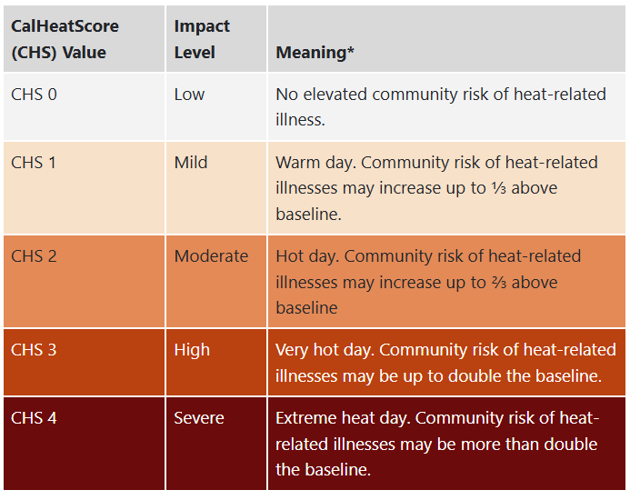
Despite these benefits, green infrastructure faces significant challenges in the context of extreme heat. Prolonged droughts, which frequently accompany heatwaves, can stress or kill urban vegetation, rendering them less effective at cooling. In many metropolitan centers, the lack of available land for large-scale reforestation limits the ability to create cooling corridors. The World Health Organization (WHO) emphasizes that for urban greening to be effective, it must be integrated into a broader climate adaptation strategy that includes water management, permeable surfaces, and building insulation mandates.
Why Integrated Resilience Planning is Required
The consensus among urban climate researchers is shifting toward “integrated resilience.” This approach moves beyond single-solution tactics to combine multiple cooling strategies. For example, a city might implement “cool pavement” technologies—which reflect solar energy—alongside expanded tree canopies and high-efficiency building mandates. According to the C40 Cities Climate Leadership Group, cities that successfully mitigate heat risk do so by creating “cool neighborhoods” that prioritize pedestrian comfort and energy efficiency at the district scale rather than the individual building level.
For city planners, the focus is increasingly on the “15-minute city” concept, where essential services and green spaces are within a short walk of every resident. This reduces the need for motorized transport, which generates significant waste heat in urban environments. As extreme heat becomes a constant rather than an anomaly, the integration of these technologies into municipal building codes and zoning laws is becoming a standard, though often contentious, element of urban policy.
Moving Toward Future Climate Adaptations
Looking ahead, the next significant checkpoint for urban heat mitigation involves the implementation of updated municipal climate action plans. Many cities are currently in the process of auditing their “heat vulnerability maps” to determine where to prioritize infrastructure investment. These data-driven updates, often coordinated with regional environmental agencies, determine the next phase of tree-planting initiatives and the retrofitting of public housing with energy-efficient, reflective materials.

As we continue to navigate the challenges of warming global temperatures, the reliance on passive cooling must be supplemented by active, systemic changes to how we build and maintain our cities. Public engagement remains a vital component of this process. Readers are encouraged to check their local government websites for upcoming urban planning hearings or community sustainability initiatives to stay informed about how their specific municipality plans to address the rising threat of extreme heat.
Dr. Helena Fischer is the Editor of the Health section at World Today Journal. She holds an MD from Charité – Universitätsmedizin Berlin and specializes in public health and medical innovation.
Worth a look