As a physician, I have often observed in my clinical practice that health does not exist in a vacuum. It is deeply embedded in our social environments and perhaps nowhere is this more evident than in the intimate partnership of marriage. Recent medical discourse has increasingly focused on the concept of “shared health environments” within households, highlighting how spouses often mirror each other’s physiological states and wellness trajectories.
The notion that married couples share more than just a home—they often share health outcomes—is supported by a growing body of research exploring the correlations between spousal lifestyle choices and chronic disease development. From metabolic health to cardiovascular status, the data suggests that when one partner navigates a health challenge, the other may be at an increased risk of developing similar conditions. This phenomenon underscores the necessity of a collaborative approach to health management, moving beyond individual medical care toward a model of partnership-based wellness.
The Physiology of Shared Habits
The correlation between spouses’ health markers is often rooted in the synchronization of daily routines. When two people live together, they tend to harmonize their dietary habits, physical activity levels, and sleep patterns. According to the World Health Organization, noncommunicable diseases such as cardiovascular disease, diabetes, and obesity are significantly influenced by these shared environmental and behavioral factors. When one partner adopts a sedentary lifestyle or poor nutritional habits, it often influences the household environment, inadvertently affecting the other partner’s risk profile.
This “spousal effect” is not merely anecdotal. Clinical observations have long suggested that if a partner is managing conditions such as hypertension or metabolic syndrome, the domestic environment may require a systemic adjustment. For instance, the Centers for Disease Control and Prevention (CDC) emphasizes that chronic disease prevention is most effective when interventions are supported by social networks, with the spouse being the most influential member of that network.
Moving Toward Collaborative Health Management
Health management should not be an isolated endeavor. Instead, medical professionals are increasingly advocating for “dyadic” or couple-based interventions. By viewing health management as a joint mission, couples can foster a more supportive environment that encourages sustainable lifestyle changes. This approach is particularly effective for managing chronic conditions where consistent monitoring and adherence to treatment plans are required.
Supportive communication between spouses has been linked to better health outcomes. When partners actively encourage one another, the psychological burden of managing a chronic illness is reduced, and the motivation to adhere to medical advice is often strengthened. Research into social support systems indicates that the presence of a supportive partner can significantly decrease the risk of obesity and improve the management of metabolic markers by fostering a shared commitment to wellness goals.
Strategic Steps for Couples
To implement effective joint health management, couples might consider the following evidence-based strategies:
- Synchronized Lifestyle Adjustments: Rather than individual dieting, couples can plan and prepare meals together, ensuring that the household environment supports nutritional goals for both partners.
- Joint Physical Activity: Engaging in regular exercise as a team can increase accountability and make physical activity a sustainable part of the daily routine.
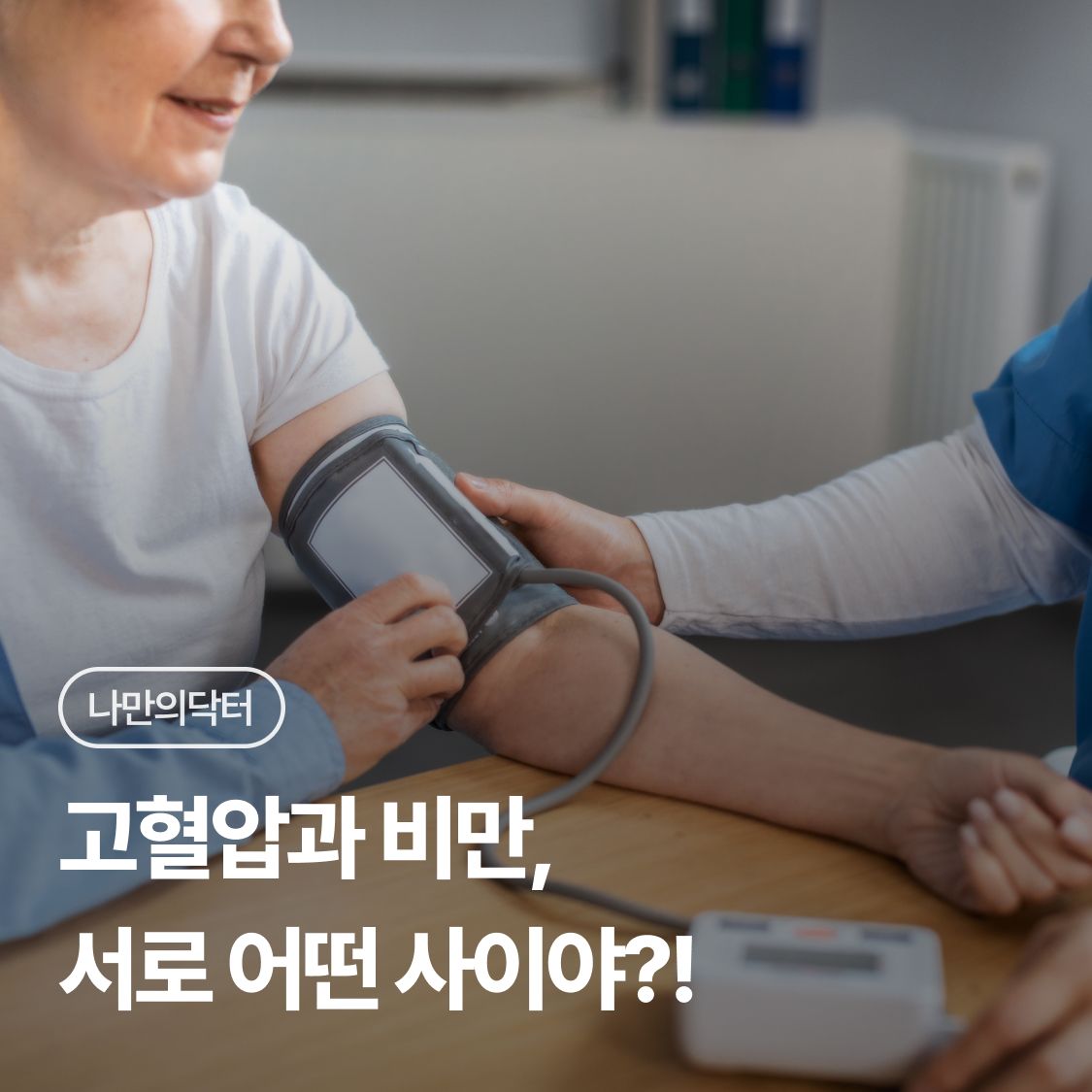
- Mutual Health Monitoring: Regularly attending check-ups and being aware of each other’s health markers, such as blood pressure or blood glucose levels, allows for early intervention and consistent health tracking.
- Open Communication: Discussing health concerns openly helps in reducing the stress associated with chronic conditions, which is a known factor in cardiovascular health.
As we continue to understand the complex interplay between social relationships and physical health, it becomes clear that the most effective path to longevity is often a shared one. Prioritizing health as a couple is not just about mutual support; it is a proactive strategy for disease prevention and long-term vitality.
Future Perspectives in Preventive Medicine
The medical community is moving toward a more holistic view of the patient, one that recognizes the home environment as a critical component of public health. Future developments in this field are expected to focus on integrated care models that involve family members in the treatment planning process. For those interested in tracking the latest global guidelines on chronic disease prevention, the World Health Organization provides regular updates on public health strategies and clinical recommendations.

As we look ahead, the integration of digital health tools—which allow for shared tracking of vitals and activity—may further empower couples to manage their health collectively. By leveraging these technologies, partners can stay informed about their shared health status and respond effectively to emerging medical needs. We invite you to share your experiences with joint health management in the comments section below, as your insights contribute to our ongoing dialogue on building healthier communities, one household at a time.