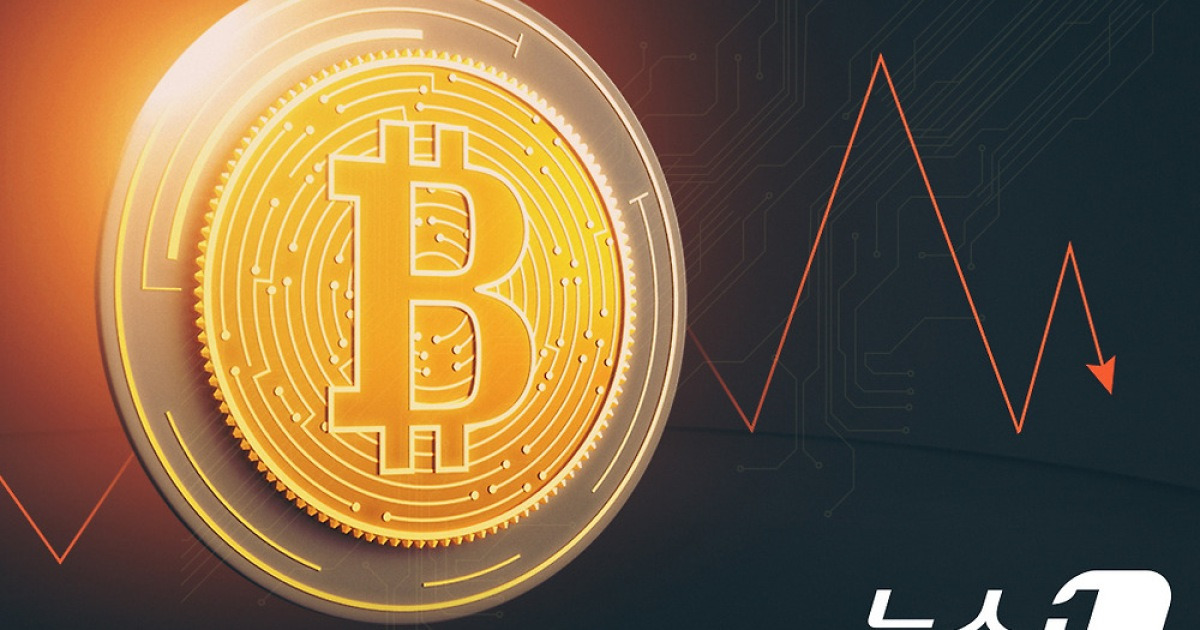
Bitcoin prices have retreated to the 92 million KRW range amid heightening geopolitical tensions in the Middle East, signaling a broader pullback in investor appetite for risk-sensitive assets. The decline follows a period of market volatility, as participants weigh the implications of potential retaliatory actions discussed by U.S. political figures, including former President Donald Trump, against the backdrop of an already fragile global economic climate.
According to data tracked by major financial exchanges, the shift in sentiment reflects a classic “flight to safety” pattern where institutional and retail investors reduce exposure to digital currencies during periods of heightened international instability. Market analysts point to the intersection of macroeconomic uncertainty and specific geopolitical threats as the primary drivers behind the current price correction in the cryptocurrency sector.
Geopolitical Risks and Market Sensitivity
The recent downward pressure on Bitcoin is closely linked to the resurfacing of conflict risks in the Middle East. As reported by financial market observers, digital assets often serve as a barometer for global risk sentiment. When tensions escalate, investors typically pivot away from speculative assets toward traditional safe-haven instruments, such as U.S. Treasury bonds or gold.
This volatility is compounded by ongoing discourse regarding U.S. foreign policy. During recent campaign appearances, Donald Trump has utilized rhetoric regarding “retaliation” and “strength” in response to global crises, which traders interpret as potential indicators of future volatility in international trade and security policies. Such commentary creates an environment of unpredictability that is inherently hostile to the steady growth of speculative assets like Bitcoin.
Institutional Shifts and Investor Sentiment
While the 92 million KRW price point represents a significant psychological threshold for South Korean investors, the trend is reflective of a global adjustment. Institutional investors, who have increasingly integrated Bitcoin into diversified portfolios through spot ETFs, are now managing risk by adjusting their positions in response to Federal Reserve interest rate signals and geopolitical developments.
The correlation between geopolitical events and cryptocurrency performance remains a subject of intense debate among economists. Unlike traditional equities, which are often tied to localized corporate earnings, Bitcoin’s price is heavily influenced by global liquidity and the perceived reliability of the U.S. dollar. When the risk of conflict increases, the demand for liquidity often results in sell-offs across the crypto market, regardless of the underlying technological utility of the blockchain networks involved.
Understanding the Current Market Correction
To understand why Bitcoin is currently struggling to maintain its momentum, it is helpful to look at the broader asset class performance. During times of stress, the “risk-on” trade—which includes tech stocks and cryptocurrencies—often experiences a liquidity squeeze. According to International Monetary Fund (IMF) reports on global financial stability, the rapid transmission of shocks across digital asset markets is a byproduct of their high integration with global financial systems.
Key factors currently influencing the price include:
- Geopolitical Uncertainty: Ongoing instability in the Middle East remains the primary catalyst for risk aversion.
- Political Rhetoric: Speculation regarding future U.S. policy stances on international conflict continues to influence market sentiment.
- Liquidity Constraints: Investors are prioritizing cash reserves over speculative digital assets as a hedge against potential escalation.
Future Outlook and Monitoring
Market participants are now closely watching for upcoming developments that could stabilize or further depress prices. The next significant checkpoint for investors will be the release of updated macroeconomic data and any formal announcements regarding foreign policy shifts from U.S. government officials. These events are scheduled to be discussed in upcoming regulatory and oversight briefings, which will provide further clarity on the administration’s approach to global stability.
As the situation develops, analysts suggest that investors remain cautious of short-term volatility. The market is expected to remain reactive to news headlines until a clearer path regarding geopolitical resolution is established. For ongoing updates, market participants should monitor official government statements and verified, high-authority financial news outlets rather than speculative social media discourse.
What are your thoughts on how geopolitical events are shaping the current cryptocurrency market? Share your perspective in the comments below.
Keep reading