:quality(80)/outremer%2F2025%2F03%2F27%2Fdialyse-don-d-organe-67e4bbd461b11510263741.png)
The Territorial Audit Chamber (CTC) of French Polynesia has issued a critical assessment regarding the management of chronic kidney disease (CKD) in the territory, citing systemic inefficiencies and significant challenges in patient care. The report highlights that the current medical infrastructure is struggling to meet the growing demand for renal replacement therapies, particularly for patients requiring long-term dialysis.
According to the Territorial Audit Chamber of French Polynesia, the archipelago faces a mounting public health burden as the prevalence of diabetes and hypertension—the two primary drivers of kidney failure—continues to rise. The audit reveals that the reliance on centralized care models in Tahiti creates substantial logistical hurdles for patients residing in remote islands, complicating access to life-saving treatment.
Addressing the Infrastructure Gap in Renal Care
The core of the CTC’s concern lies in the sustainability of the current dialysis model. Chronic kidney disease requires consistent, high-frequency medical intervention, yet the geographical dispersion of French Polynesia makes equitable care a persistent challenge. The audit notes that the concentration of specialized equipment and nephrology staff in the capital, Papeete, leaves outer-island populations at a disadvantage, often forcing them to relocate for extended periods to receive treatment.
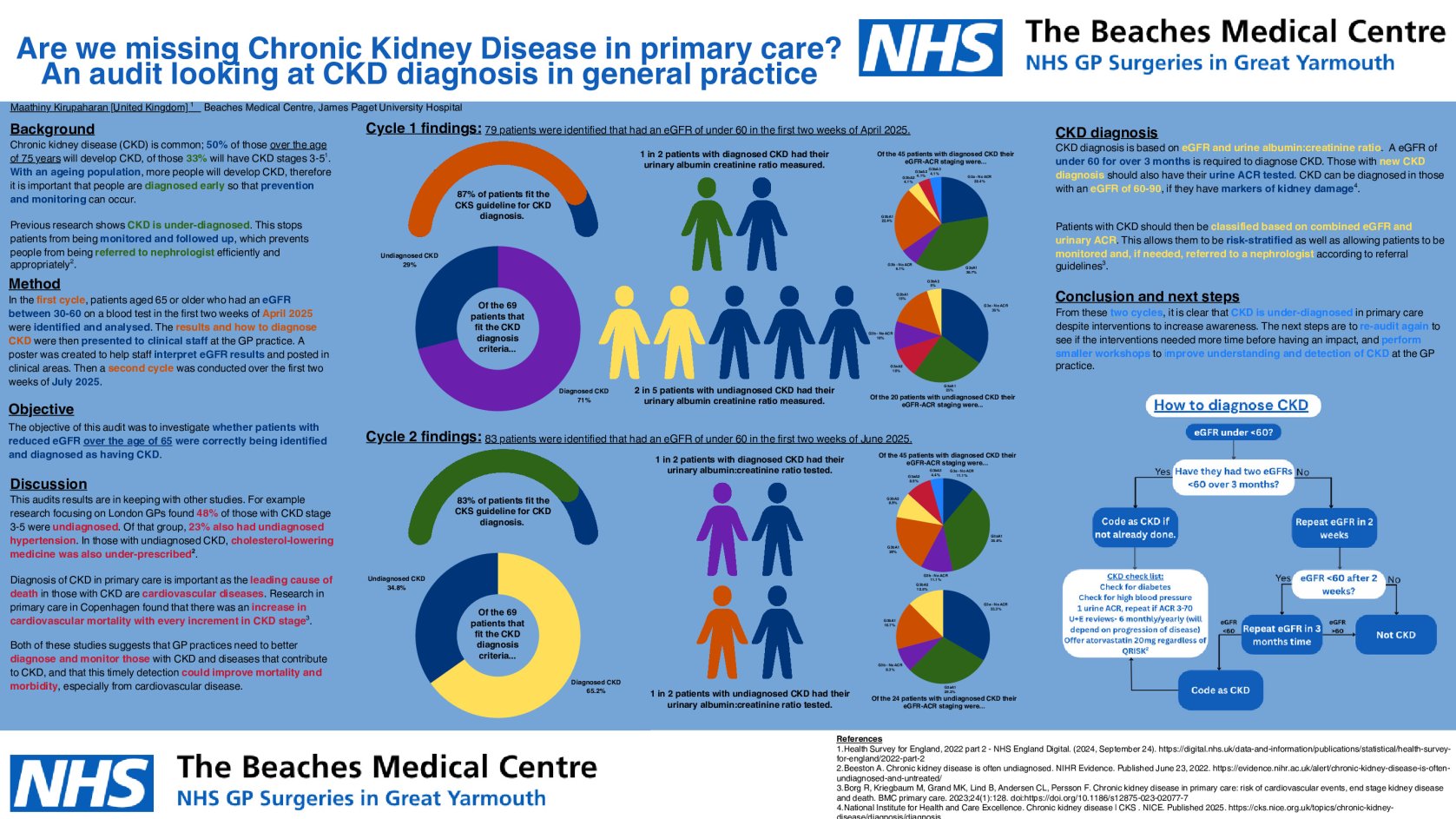
Medical experts emphasize that early detection and management are essential to slowing the progression of renal failure. However, the report suggests that existing screening programs are not sufficiently integrated into primary care networks. As noted by the World Health Organization, the global strategy for combating CKD relies heavily on robust primary health systems capable of identifying at-risk individuals before they reach end-stage renal disease (ESRD).
Financial and Logistical Sustainability
The financial burden of providing dialysis and transplantation services is a recurring theme in the chamber’s findings. The cost of maintaining specialized centers, combined with the high price of medical evacuations from the archipelagos, places a strain on the local health insurance fund, the CPS (Caisse de Prévoyance Sociale). The audit suggests that without a strategic shift toward decentralization and improved prevention, the long-term fiscal health of the territory’s medical system could be compromised.
In addition to funding, the availability of specialized human resources remains a bottleneck. Recruiting and retaining nephrologists and trained dialysis nurses in a remote setting requires competitive incentives and long-term workforce planning. The Ministry of Health of French Polynesia is currently reviewing the recommendations provided by the CTC to determine how to optimize existing resources while improving the quality of life for patients.
The Impact on Patient Outcomes
For the patients, the lack of localized treatment options translates into a diminished quality of life. The necessity of traveling to Tahiti for thrice-weekly dialysis sessions often results in social isolation and financial instability for families living in the Leeward or Marquesas Islands. Recent efforts to expand satellite dialysis centers have been a step forward, but the CTC points out that the current pace of expansion is not keeping up with the epidemiological trajectory of the disease.
Health policy experts often point to the “triple burden” of chronic disease in Pacific island nations: limited access to specialized care, high costs of medical imports, and the rapid rise of non-communicable diseases. According to the Pacific Island Health Officers Association, strengthening local capacity through telemedicine and training for general practitioners is essential for managing chronic conditions effectively in geographically isolated regions.
Next Steps for Healthcare Reform
The CTC’s report serves as a formal recommendation to the territorial government to restructure the management of chronic kidney disease. While no immediate legislative changes have been announced, the government is expected to address these findings in upcoming budgetary sessions. Stakeholders are calling for a multi-year plan that prioritizes the following:
- Strengthening primary care screening for early-stage renal dysfunction.
- Developing more satellite dialysis units in underserved archipelagos to reduce the need for travel.
- Investing in public awareness campaigns regarding the links between diet, diabetes, and kidney health.
- Reviewing the reimbursement policies for medical evacuations to ensure financial sustainability for the CPS.
As the territory looks toward the next fiscal cycle, the integration of these recommendations into the broader health policy framework remains a point of focus for local authorities and medical professionals. Public discourse regarding these findings is ongoing, and further updates on the implementation of these measures are expected as the Ministry of Health completes its internal evaluation. Readers are encouraged to follow the official portals of the Government of French Polynesia for future policy announcements and public health guidelines.
Keep reading