
Sony is currently developing the “Rialto 65,” a new large-format sensor block designed to support 65mm cinematography, as part of the company’s long-term strategy to advance digital cinema technology. This expansion into ultra-large sensor architecture aims to provide filmmakers with a digital equivalent to the traditional 65mm film format, offering higher resolution and increased depth-of-field control for high-end motion picture production.
The development of the Rialto 65 builds upon Sony’s existing Venice system, which introduced the original “Rialto” extension unit concept. That system allows the camera’s sensor block to be detached from the main body, granting cinematographers the ability to place the sensor in tight or unconventional spaces while keeping the recording hardware separate. According to official Sony professional product specifications, the current Venice 2 platform already supports 8.6K full-frame imaging, and the new project aims to push these physical sensor dimensions further to meet the demands of large-format large-screen presentations.
Expanding the Scope of Digital Cinematography
The move toward a 65mm-capable sensor block addresses a specific niche in the film industry that has historically relied on analog film or heavily cropped digital sensors. By developing a sensor that captures a larger area, Sony intends to maintain the distinct aesthetic—often characterized by a shallow depth of field and immersive image quality—that directors associate with classic 65mm or IMAX-style photography. As reported by The Hollywood Reporter regarding industry trends in sensor technology, digital adoption continues to prioritize “large-format” looks to replace expensive and physically demanding film stock.
The technical challenge involves maintaining signal integrity and data throughput across the umbilical cable that connects the sensor to the camera body. In previous iterations of the Rialto system, Sony utilized high-speed proprietary cabling to ensure that the image quality remained identical to the standard integrated camera configuration. The Rialto 65 would likely require an evolution of this interface to handle the increased pixel count and data density inherent in a larger 65mm-equivalent sensor area.
Why Large-Format Sensors Matter for Modern Production
Large-format sensors, which typically exceed the dimensions of a standard 35mm “Full Frame” sensor, allow for a wider field of view without the need for extreme wide-angle lenses. This provides a more natural perspective for the viewer, reducing the distortion often found in wide lenses. For production teams, this means the ability to capture vast landscapes or expansive interior sets with a level of detail that remains sharp even when projected on massive cinema screens.
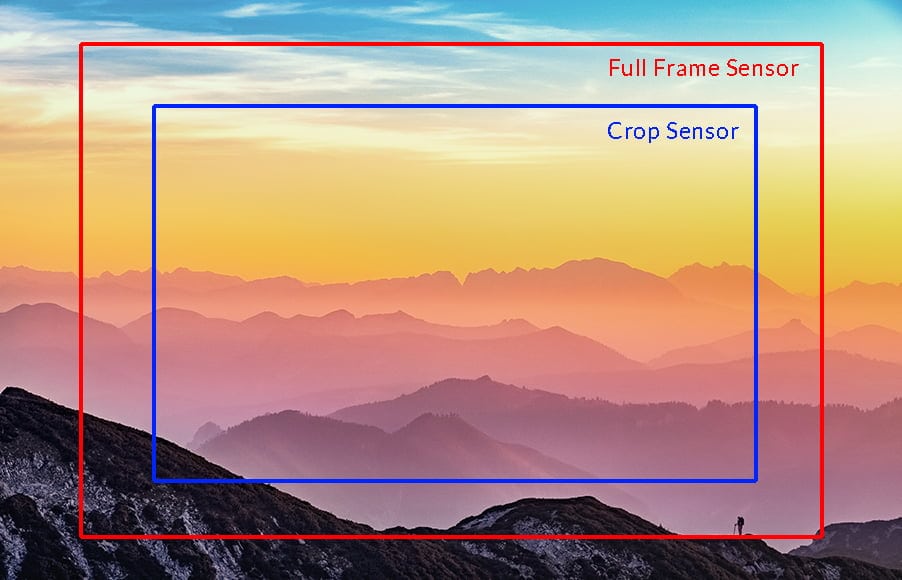
This development is consistent with Sony’s broader commitment to the “Cinema Line,” a series of cameras and tools designed specifically for professional filmmakers. According to Sony’s recent financial and business briefings, the company maintains a focus on high-end imaging solutions as a core pillar of its revenue growth. The Rialto 65 is positioned as a tool for high-budget productions that require the flexibility of a modular system combined with the image fidelity of a massive physical sensor.
Technical and Operational Implications
While the company has not yet released a firm timeline for the commercial availability of the Rialto 65, the announcement signals a shift in focus toward modularity at the top end of the market. Unlike consumer-grade mirrorless cameras, which focus on compactness, the Rialto 65 is designed for cinema rigs where weight distribution and modularity are essential for complex camera movements, including the use of cranes, gimbals, and handheld stabilization rigs.
Industry observers note that the success of such a product depends on lens compatibility. A 65mm sensor requires lenses that can cover a larger image circle; otherwise, the edges of the frame will vignette or lose sharpness. Sony has previously collaborated with lens manufacturers to ensure their E-mount and PL-mount ecosystems support large-format sensors, and it is expected that the Rialto 65 will continue this trend of cross-industry compatibility.
Next Steps in Production and Availability
Sony has indicated that the development of the Rialto 65 is an ongoing process within their research and development divisions in Japan. Further details regarding exact sensor dimensions, compatibility with current Venice 2 bodies, and potential release dates are expected to be shared through official Sony professional channels as the project moves toward field testing. For professionals tracking the release, the most reliable source for updates remains the Sony Professional website, where technical bulletins and firmware roadmaps are published regularly.
/rialto-bridge-with-passing-gondola--venice--italy--644990770-5982672bc412440010804491.jpg "Next Steps in Production and Availability")
The industry continues to monitor how modular systems evolve to meet the needs of increasingly complex visual effects pipelines. As the Rialto 65 progresses from concept to prototype, the integration of this sensor into existing workflows will likely become a primary topic at industry trade shows such as NAB or Cine Gear Expo. Share your thoughts on how this large-format modularity might change your production workflow in the comments below.
Keep reading