
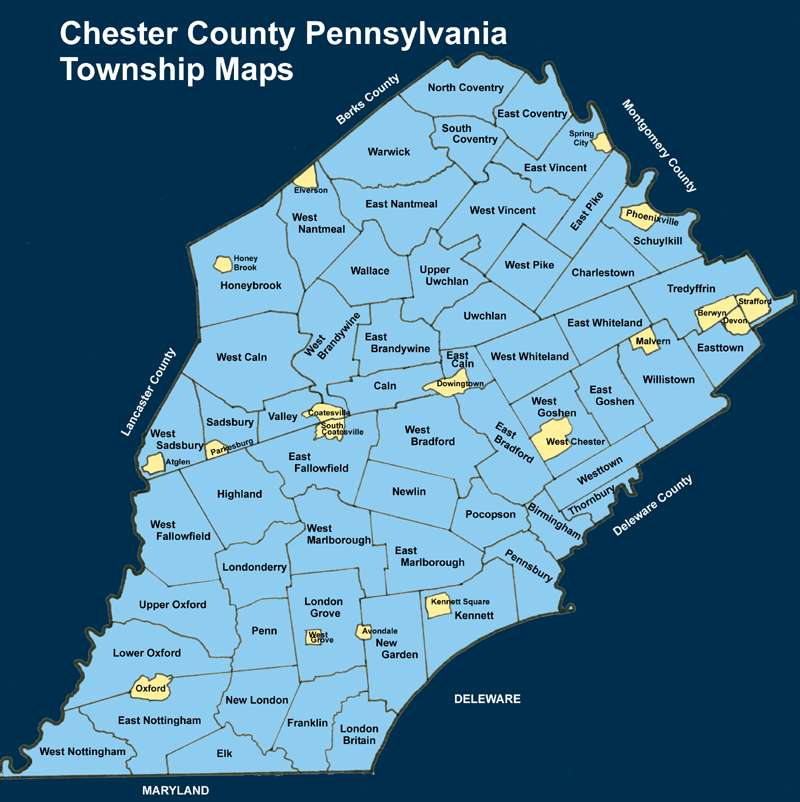
Residents in East Vincent Township, Pennsylvania, are intensifying their opposition to a proposed massive data center development, prompting a broader legislative debate over the state’s regulatory approach to high-energy infrastructure. While some local officials and state legislators have called for a temporary halt to new projects, the Pennsylvania General Assembly has moved toward a framework of voluntary industry guidelines rather than a statewide moratorium.
The conflict centers on the balance between Pennsylvania’s role as a growing hub for digital infrastructure and the concerns of local municipalities regarding land use, power consumption, and environmental impact. According to reports from the Pennsylvania General Assembly, the legislative strategy currently favors collaborative standards over restrictive bans, leaving individual townships to navigate the complex zoning and permitting processes for these energy-intensive facilities.
The Regulatory Debate in Harrisburg
The push for a pause on data center construction gained momentum amid concerns that the rapid expansion of artificial intelligence and cloud computing infrastructure could strain the local power grid. Senator Carolyn Comitta, representing parts of Chester County, has been a vocal advocate for more rigorous oversight. In recent legislative discussions, proponents of a moratorium argued that Pennsylvania needs a comprehensive assessment of how these facilities affect energy costs for residential consumers and the state’s long-term decarbonization goals.
However, the prevailing legislative consensus, as reflected in recent committee hearings, suggests that a blanket moratorium could stifle economic development and discourage investment in the state’s technology sector. Instead, the focus has shifted to establishing voluntary best practices. These guidelines aim to address site selection, water usage for cooling systems, and grid integration without imposing the legal barriers associated with a moratorium. The Pennsylvania Public Utility Commission (PUC) continues to monitor the impact of large-load customers on the grid, emphasizing that existing regulations already provide a framework for utility providers to manage capacity requests from data center operators.
Local Resistance and Zoning Challenges
In East Vincent, the opposition is rooted in concerns over noise pollution, the visual impact of large industrial structures, and the potential for increased traffic in rural and suburban areas. Local community groups have argued that current zoning ordinances were not written with massive, 24/7 data processing facilities in mind. In many Pennsylvania municipalities, the legal battle often plays out in zoning hearing boards, where developers must prove their projects conform to existing land-use definitions.

According to the Pennsylvania Department of Community and Economic Development, land-use authority remains primarily a local responsibility. This decentralization often leads to a patchwork of regulations across the state. While a town like East Vincent may seek to tighten its requirements, developers often argue that their projects provide a significant boost to the local tax base, which can alleviate the burden on property owners. The legal tension between municipal zoning rights and the state’s desire to promote tech-industry growth remains a defining feature of the current landscape.
Why Energy Consumption is a Focal Point
Data centers are among the most energy-intensive commercial assets in the modern economy. Because they require constant electricity for cooling and server operations, they are often located near high-voltage transmission lines. This necessity puts them in direct competition with other grid users. The PJM Interconnection, which manages the regional power grid serving Pennsylvania, has noted in its planning reports that the surge in data center requests is a primary driver of new interconnection queues.
For residents, the concern is twofold: the potential for higher electricity bills if infrastructure upgrades are passed on to ratepayers, and the environmental footprint of the power sources used to feed these centers. While some developers have pledged to source renewable energy, critics argue that the sheer scale of the power demand necessitates a more transparent, state-mandated planning process. The shift toward voluntary guidelines is intended to encourage developers to be more transparent about their energy procurement strategies before they break ground.
What Happens Next
The debate is far from settled. With the Pennsylvania General Assembly expected to remain focused on economic competitiveness, the next phase of this issue will likely involve the refinement of the voluntary guidelines to see if they satisfy municipal concerns. Developers are currently moving forward with applications in several counties, and these projects will serve as test cases for whether voluntary compliance is sufficient to mitigate community opposition.
Residents in East Vincent and other affected areas are expected to continue participating in local zoning board meetings, which remain the primary venue for public input on specific site plans. Those seeking the most current information regarding local permit applications and upcoming public hearings should consult the East Vincent Township official website for the latest meeting schedules and developer filings. As the state monitors the efficacy of the voluntary framework, additional legislative amendments could be introduced in the upcoming session if community concerns remain unresolved.
We encourage our readers to share their thoughts on the balance between digital infrastructure growth and local community preservation in the comments section below.
Keep reading