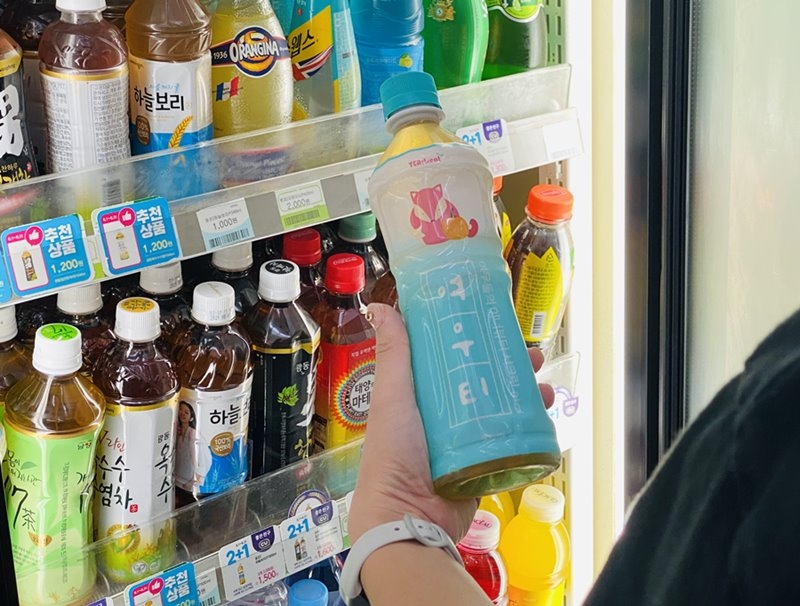
Convenience stores are shedding their historical reliance on seasonal “summer spikes” for tea-based beverages, shifting instead toward a year-round “light drink” model. This transition reflects a broader consumer pivot away from high-sugar, highly processed soft drinks toward lower-calorie, functional tea options that cater to daily, routine consumption rather than occasional impulse buys.
According to data tracked by the Statista Market Insights, the global ready-to-drink tea market has demonstrated consistent growth, fueled by consumer demand for healthier, low-sugar alternatives. This movement is supported by international health organizations, including the World Health Organization, which continues to advocate for the reduction of free sugar intake as a core component of preventative health strategies.
The Shift Toward ‘Light’ Consumption
The traditional retail strategy for tea beverages once centered on the “summer effect”—a period where high temperatures drove rapid turnover of iced tea products. However, recent retail analytics suggest that “light drinks”—defined as beverages with reduced sugar, artificial sweeteners, or natural, botanical-based flavor profiles—now maintain steady sales volumes throughout the autumn and winter months. Industry analysts note that this shift is not merely a change in product preference, but a fundamental change in the “consumption occasion.”
Consumers are increasingly integrating tea as a “daily hydration” choice. This behavior change is documented in reports from the Food and Agriculture Organization (FAO) regarding changing global dietary patterns, where convenience-oriented, health-conscious consumers prioritize products that offer functional benefits, such as antioxidants or sustained energy, without the “caffeine crash” or sugar spikes associated with traditional carbonated soft drinks.
Retail Dynamics and Product Placement
Convenience store operators are responding to this trend by reconfiguring shelf space to favor low-calorie, tea-based assortments year-round. Previously, retailers utilized “seasonal reset” schedules, drastically reducing tea inventory once temperatures dropped. Current inventory management practices, however, reflect a “four-season” strategy. By leveraging data-driven supply chain management, retailers can now monitor real-time purchase trends to keep high-performing, lower-sugar teas in stock during traditionally slower periods.

This approach aligns with findings from the World Economic Forum, which highlights how digital transformation in retail allows companies to better predict and meet consumer demand for health-oriented products. By analyzing point-of-sale data, retailers are finding that the “light drink” segment is less price-sensitive and more brand-loyal than traditional sugary drink consumers, providing a more stable revenue stream for convenience store operators.
What Drives the ‘Four-Season’ Tea Trend?
The primary driver behind this transition is a heightened consumer focus on “functional wellness.” Unlike seasonal iced tea, which was often marketed as a thirst-quencher for hot weather, modern tea products are marketed as daily lifestyle companions. This includes:
- Reduced Sugar Profiles: Consumers are actively seeking products with transparent labeling regarding sugar content, often opting for “zero” or “low” sugar variants.
- Botanical and Herbal Infusions: A rise in interest for premium, natural ingredients that offer perceived health benefits.
- Convenience and Portability: The ability to grab a healthy, low-calorie beverage on the go remains the primary competitive advantage for the convenience store channel.
Market research from the Euromonitor International suggests that as consumers become more educated regarding the long-term impacts of sugar-sweetened beverages, the demand for “lifestyle teas”—those that fit into a daily routine—will continue to displace traditional, high-sugar alternatives. This trend is expected to persist as convenience chains continue to refine their cold-chain logistics to maintain quality for these products regardless of the season.
Future Outlook for Beverage Retail
The next phase of this market evolution involves increased investment in sustainable packaging and traceable sourcing, as consumers demand greater transparency from manufacturers. Regulatory bodies, such as the U.S. Food and Drug Administration (FDA) and similar global agencies, are increasingly focusing on labeling requirements for added sugars, which further incentivizes manufacturers to reformulate their products to meet “light” criteria.

For convenience store operators, the focus will remain on maintaining the “four-season” inventory balance. While summer remains a peak period for overall beverage consumption, the “off-season” is no longer a period of stagnation. Instead, it has become a strategic window for building brand loyalty through consistent availability of health-aligned products. Industry stakeholders should look for upcoming quarterly earnings reports from major beverage conglomerates for further confirmation of these shifts in consumer volume and product mix.
We invite our readers to share their thoughts on these changes in beverage trends. Are you seeing more variety in your local stores, or do you prefer traditional offerings? Join the conversation in the comments section below.
Worth a look