
South Korea is currently navigating one of the most rapid demographic shifts in human history. As the nation hurtles toward becoming a “super-aged society”—defined as a population where 20% or more are aged 65 and older—the traditional model of elderly care is reaching a breaking point. For decades, the default solution for the frail elderly has been institutionalization in nursing hospitals, often leading to a phenomenon known as “social hospitalization,” where patients remain in clinical settings not for acute medical necessity, but because there is no viable support system at home.
However, a fundamental paradigm shift is underway. The South Korean government is pivoting toward a model of integrated community care for the elderly in South Korea, emphasizing the philosophy of “Aging in Place” (AIP). This approach seeks to ensure that senior citizens can receive necessary medical, nursing, and social services within their own homes and communities, preserving their dignity and quality of life while reducing the systemic burden on the healthcare infrastructure.
Central to this transition is the recent legislative momentum surrounding the Act on Integrated Support for Regional Care. Passed by the National Assembly on March 28, 2024, this law provides the legal framework to coordinate fragmented health and welfare services, effectively bridging the gap between medical treatment and social care Ministry of Health and Welfare. The goal is to move away from a siloed approach where hospitals and social workers operate independently, moving instead toward a synchronized system of support.
For this vision to succeed, the role of nursing hospitals must evolve. Rather than serving as final destinations, these institutions are being reimagined as hubs of multidisciplinary expertise that can facilitate a safe and sustainable transition from hospital to home. This requires a sophisticated blend of medical intervention and social coordination, ensuring that when a patient leaves the ward, they enter a comprehensive web of community support.
The Philosophy of Aging in Place (AIP)
Aging in Place is more than a logistical preference. it is a clinical and psychological necessity. Research consistently shows that elderly individuals who remain in familiar environments experience lower rates of cognitive decline, reduced depression, and a higher sense of autonomy. In the South Korean context, the drive toward AIP is a response to the limitations of long-term institutional care, which can often lead to a loss of functional independence and a diminished sense of self.
The transition to community-based care involves a comprehensive redistribution of resources. Instead of concentrating care within the walls of a facility, the state is investing in home-based medical services. This includes the deployment of visiting physicians and nurses who can manage chronic conditions, adjust medications, and provide palliative care in the patient’s living room. By bringing the clinic to the patient, the system reduces the physical and financial stress of frequent hospital visits for the elderly and their caregivers.
The “Integrated Support Act for Regional Care” is the engine driving this change. By mandating the integration of medical and nursing care with housing and social services, the law aims to eliminate the “care gaps” that often force families to choose institutionalization. When a patient is discharged, the law envisions a seamless handoff where the medical needs identified in the hospital are immediately met by community-based health services and social welfare programs.
The Necessity of Multidisciplinary Expertise
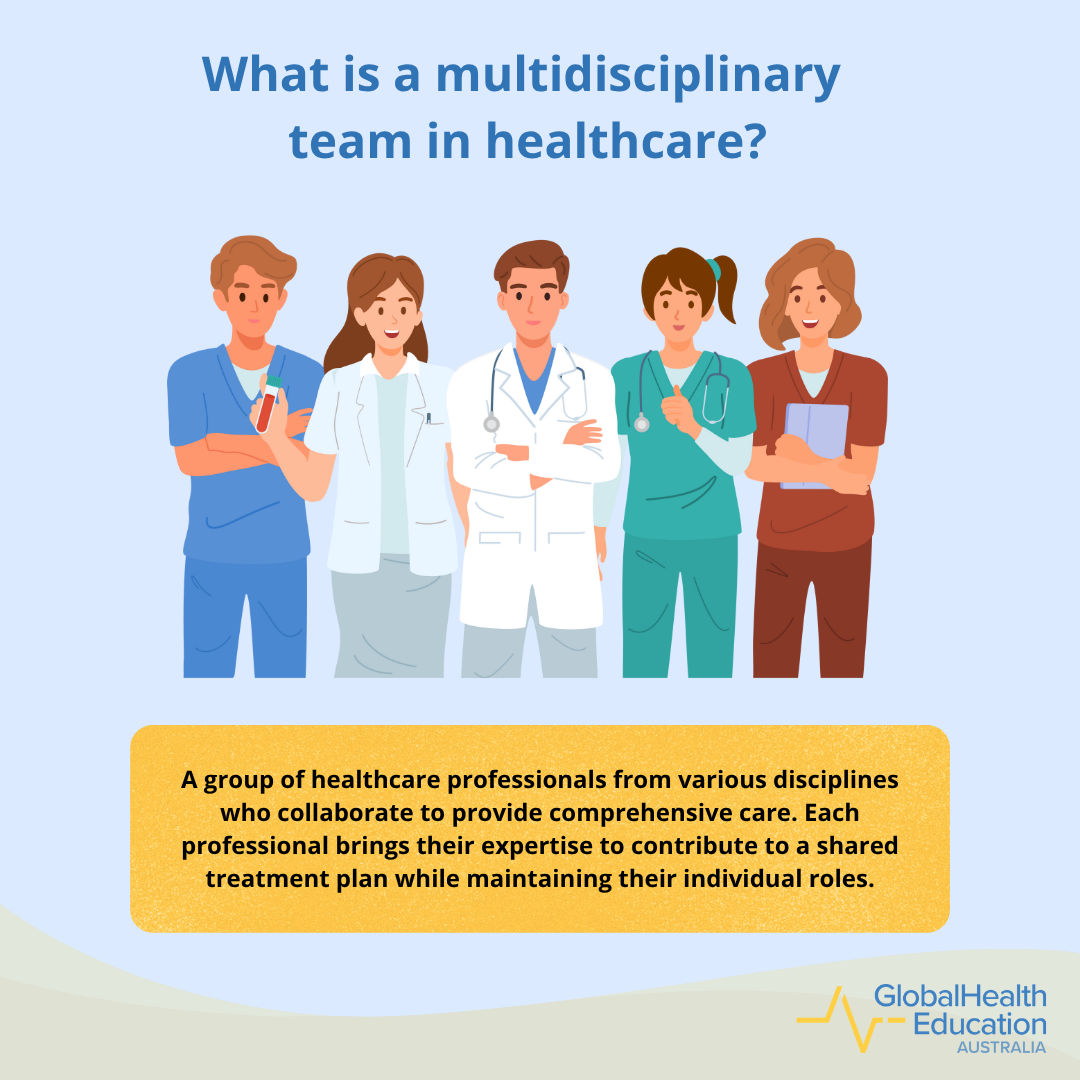
The complexity of geriatric care means that no single medical specialty can address every need of an aging patient. Elderly patients frequently present with “multimorbidity”—the coexistence of two or more chronic conditions—alongside psychosocial challenges such as isolation or cognitive impairment. Addressing these requires a multidisciplinary team (MDT) approach.
In the emerging model of integrated care, the multidisciplinary team typically consists of several key stakeholders:
- Geriatricians and Specialists: To manage complex medical comorbidities and polypharmacy (the use of multiple medications), reducing the risk of adverse drug interactions.
- Specialized Nurses: To provide bedside care, monitor vital signs at home, and educate family caregivers on wound care or medication administration.
- Physical and Occupational Therapists: To implement rehabilitation programs that maintain mobility and adapt the home environment to prevent falls.
- Social Workers: To coordinate government subsidies, arrange for meal deliveries, and connect patients with community social groups to combat loneliness.
- Care Managers: To act as the primary point of contact, ensuring that the medical plan and the social care plan are aligned and updated in real-time.
This collaborative framework is essential for preventing “revolving door” hospitalizations—where a patient is discharged only to be readmitted shortly after due to a preventable complication at home. When nursing hospitals utilize their multidisciplinary expertise to create a detailed “discharge and transition plan,” the likelihood of a successful return to the community increases significantly.
Bridging the Gap: From Clinical Care to Home Care
The transition from a nursing hospital to home care is the most vulnerable period for an elderly patient. Without a coordinated effort, the medical progress made during hospitalization can be quickly undone by poor nutrition, medication errors, or a lack of physical activity at home. Multidisciplinary expertise allows for a “warm handoff,” where the team that treated the patient in the hospital communicates directly with the community team taking over.
This integration is further supported by the expansion of home-based primary care initiatives. By utilizing telemedicine and visiting healthcare services, providers can maintain a continuous loop of monitoring. This ensures that a minor health fluctuation—such as a slight increase in blood pressure or a change in cognitive state—is addressed immediately, preventing a full-blown crisis that would necessitate an emergency room visit.
Challenges in Implementation and Systemic Hurdles
Despite the clear benefits and the legislative backing of the Act on Integrated Support for Regional Care, the path to full implementation is fraught with challenges. One of the primary hurdles is the current reimbursement structure. Historically, the South Korean healthcare system has rewarded “volume” (the number of patients in beds) rather than “outcomes” (the successful transition of a patient to home care).
For nursing hospitals to pivot toward a community-support role, the financial incentives must change. There is a pressing need for “value-based care” models where institutions are compensated for the quality of their discharge planning and the long-term stability of the patient in the community. Without this shift, there remains a financial disincentive to move patients out of long-term beds.
there is a critical shortage of trained geriatric specialists and community-based care workers. The demand for multidisciplinary teams far exceeds the current supply of professionals trained in the nuances of integrated care. This gap requires a concerted effort in medical education and the professionalization of the caregiving workforce to ensure that “integrated care” is not just a policy term, but a clinical reality.
The Role of Technology in Integrated Care
To scale these efforts, South Korea is increasingly looking toward “Age-Tech.” The integration of Internet of Things (IoT) sensors in the homes of the elderly can alert multidisciplinary teams to falls or irregularities in daily routines. When combined with a centralized data system—as envisioned under the regional care laws—these tools allow care managers to make data-driven decisions about when to increase the frequency of visiting nurse checks or when to trigger a medical intervention.
Key Takeaways for Families and Policy Makers
As the landscape of elderly care evolves, it is important for stakeholders to understand the core components of this transition:
- Priority on AIP: The goal is to keep seniors in their homes as long as possible, utilizing community supports rather than institutionalization.
- Legislative Support: The Act on Integrated Support for Regional Care provides the legal basis for merging health and social services.
- Team-Based Care: Success depends on multidisciplinary teams (doctors, nurses, social workers) working in concert rather than in isolation.
- Preventative Focus: Home-based medical care aims to manage chronic conditions early to avoid acute hospitalizations.
The Path Forward
The transition toward integrated community care represents a necessary evolution in the face of an aging crisis. By leveraging the multidisciplinary expertise of nursing hospitals and grounding the system in the legal framework of regional support, South Korea is attempting to build a sustainable model for the 21st century. The success of this initiative will ultimately be measured not by the number of beds available in hospitals, but by the number of seniors who can age with dignity, safety, and support in the comfort of their own homes.
The next critical checkpoint for this transition will be the phased implementation of the regional integrated support pilots and the subsequent refinement of the reimbursement models for home-based medical services, which are expected to be updated as the Ministry of Health and Welfare rolls out specific guidelines following the passage of the new law.
Do you believe a community-based approach is the best way to handle an aging population, or are institutional facilities still indispensable? We invite you to share your perspectives and experiences in the comments below.
Worth a look