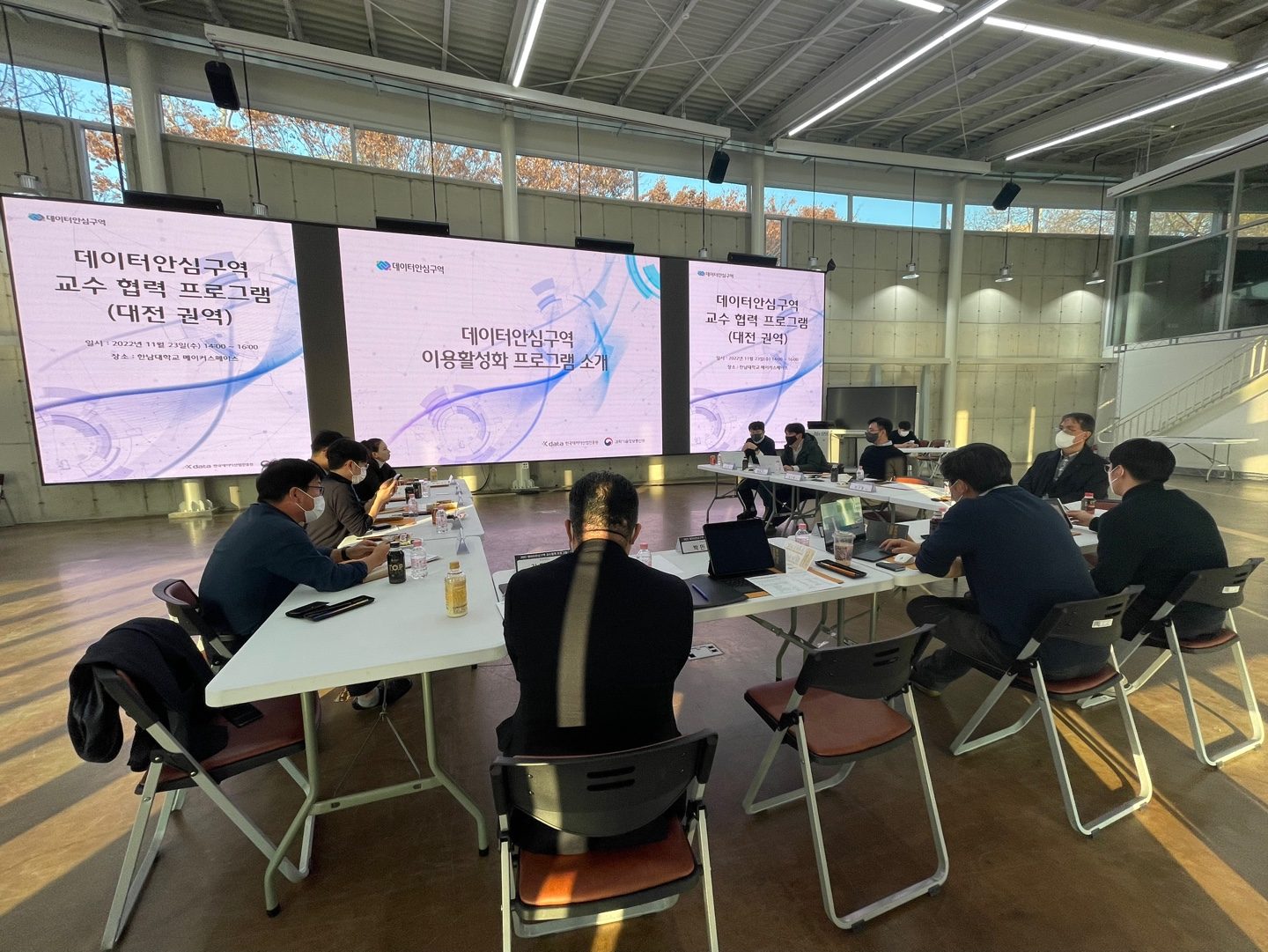
The Data Safe Zone (데이터안심구역) Daejeon Center has launched a targeted initiative to expand its user base through a new referral and companion participation program. This outreach effort is designed to incentivize both current researchers and newcomers to utilize the center’s specialized data analysis environment, which provides secure access to high-value, non-public data for academic and professional study.
According to official program guidelines, the campaign encourages existing users of the Daejeon facility to recommend the center’s analysis camp to peers. By facilitating collaborative research, the center aims to broaden the reach of its data infrastructure, which is maintained under strict security protocols to protect sensitive datasets while enabling rigorous computational analysis.
Understanding the Data Safe Zone Infrastructure
The Data Safe Zone is a government-supported initiative—primarily managed through the Korea Data Agency (K-DATA)—that serves as a controlled environment for analyzing raw data that cannot be accessed via standard public networks. The Daejeon Center is one of several regional hubs designed to provide researchers, students, and businesses with the necessary hardware and software to perform complex data processing without risking the exposure of private or classified information.
These facilities are governed by the Personal Information Protection Act, which mandates that all data analysis must occur within a physically and digitally isolated environment. Researchers must undergo verification processes to access these zones, ensuring that any output extracted from the facility has been de-identified and cleared for security purposes. The current promotional event for the Daejeon Center reflects an ongoing effort to increase the utility of these resources for local research communities and data science professionals.
Program Mechanics and Participation Requirements
The referral program functions by rewarding both the referrer and the referred party, provided they meet the center’s established criteria for participation in the analysis camp. Interested participants are required to register through the official Data Safe Zone portal, where specific eligibility requirements—such as professional affiliation or academic standing—are verified before access is granted.
For those interested in participating, the following steps are generally required:
- Registration on the official Data Safe Zone website to establish a user profile.
- Submission of a research plan or analysis objective, which is subject to internal review.
- Adherence to the “Referral and Companion” event guidelines, which typically involve inputting a referrer’s ID during the registration process to qualify for specific incentives.
- Completion of mandatory security training, which is a prerequisite for all users entering the facility.
Detailed information regarding the specific rewards and the application timeline can be found on the official Data Safe Zone portal. Potential participants should note that all data extraction remains subject to a security review board to ensure compliance with the Personal Information Protection Commission (PIPC) regulations, which oversee the handling of sensitive data across all national centers.
Why Regional Access Matters for Data Science
The establishment of the Daejeon Center is part of a broader strategy to decentralize data science resources in South Korea. By placing high-performance computing clusters and secure data repositories in regional hubs, the government aims to reduce the barrier to entry for researchers who are not based in the Seoul metropolitan area. This initiative supports a wide range of fields, including artificial intelligence development, public policy research, and market analysis.

For researchers, the value of the Data Safe Zone lies in its access to “closed” data—datasets that are otherwise unavailable due to privacy concerns. The current analysis camp provides a structured environment where these datasets can be utilized safely. By encouraging group participation through the referral program, the center hopes to foster interdisciplinary research projects that leverage the collective expertise of local data analysts.
Next Steps for Prospective Researchers
The Data Safe Zone Daejeon Center continues to accept applications for its upcoming analysis cycles. Prospective users are encouraged to monitor the official website for updates on security protocols, available datasets, and future event deadlines. As the center operates under strict regulatory oversight, all participants must ensure that their research objectives align with the permitted uses of the provided data.
If you have questions regarding the referral program or technical requirements, the center provides support services through its help desk. Have you utilized the Data Safe Zone for your research? Share your experiences or questions regarding the analysis camp in the comments below.