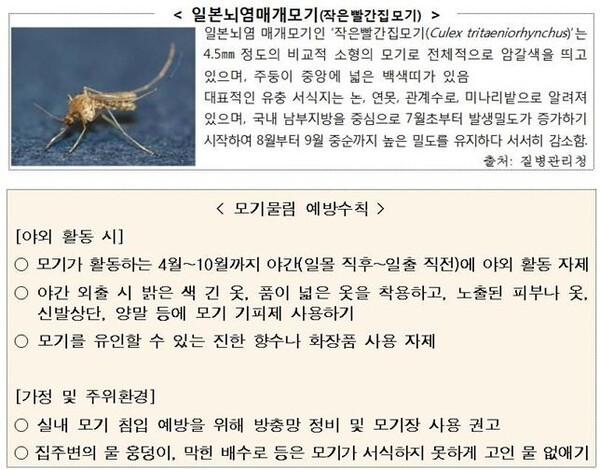
Health authorities in Incheon, South Korea, have confirmed the presence of Japanese encephalitis-carrying mosquitoes in the region for the first time this year, though laboratory testing has returned negative results for the virus itself. The identification of the Culex tritaeniorhynchus mosquito—the primary vector for the Japanese encephalitis virus—prompted local health officials to heighten surveillance protocols across the city. While the current samples do not contain the pathogen, the presence of the vector serves as a standard seasonal indicator for potential transmission risks, according to data from the Korea Disease Control and Prevention Agency (KDCA).
Japanese encephalitis is a viral disease transmitted to humans through the bite of an infected mosquito. While most human infections result in mild, flu-like symptoms or remain asymptomatic, the virus can occasionally progress to severe neurological complications. In rare cases, individuals may experience high fever, convulsions, and inflammation of the brain, a condition known as encephalitis. Because there is no specific antiviral treatment for the disease, public health strategy centers on preventing mosquito bites and maintaining high vaccination coverage among vulnerable populations, as noted by the Korea Disease Control and Prevention Agency.
Vector Surveillance and Seasonal Risk
The detection of the Culex mosquito is part of a routine, nationwide monitoring program designed to track the seasonal emergence of disease-carrying insects. Incheon health departments routinely trap mosquitoes in wetlands and livestock areas, which are common breeding grounds for the species. Even when collected mosquitoes test negative for the Japanese encephalitis virus, the identification of the species confirms that the seasonal window for potential virus circulation has opened. According to regional health reports, the city has intensified its environmental disinfection efforts in areas where the vector was identified to minimize the risk of population growth.
The lifecycle of the Culex tritaeniorhynchus is closely tied to temperatures and humidity levels, which typically rise in South Korea between late spring and early autumn. By tracking the density of these mosquitoes, the KDCA aims to provide early warnings to local municipalities. Residents are advised to take proactive measures during this period, particularly during the dawn and dusk hours when these mosquitoes are most active. Preventive strategies include the use of insect repellent, wearing long-sleeved clothing when outdoors, and ensuring that window screens remain intact to prevent indoor entry.
Clinical Implications and Preventive Measures
For the general public, the primary defense against Japanese encephalitis remains vaccination. The vaccine is recommended for children and individuals in high-risk groups who live or work near rice paddies, wetlands, or livestock farms where the vector is most prevalent. Clinical guidelines from the World Health Organization emphasize that vaccination is the most effective intervention for preventing the severe neurological sequelae associated with the virus. In South Korea, the vaccine is included in the national immunization schedule, providing long-term protection for the majority of the population.
When an infection does occur, management is strictly supportive. Patients diagnosed with severe forms of the virus require hospitalization for intensive monitoring of neurological function, seizure control, and respiratory support. Because the virus is not transmitted from person to person, the primary public health focus remains the reduction of the mosquito population and the protection of individuals from bites. As the summer season progresses, health authorities continue to monitor for the potential arrival of the virus in the mosquito population. Further updates on the national surveillance status will be provided through the official KDCA disease control portal.
Readers are encouraged to stay informed through official local government announcements regarding community-wide mosquito control schedules. If you have questions about your immunization status or require further information on preventive health measures, please consult with your primary care physician or your local community health center.