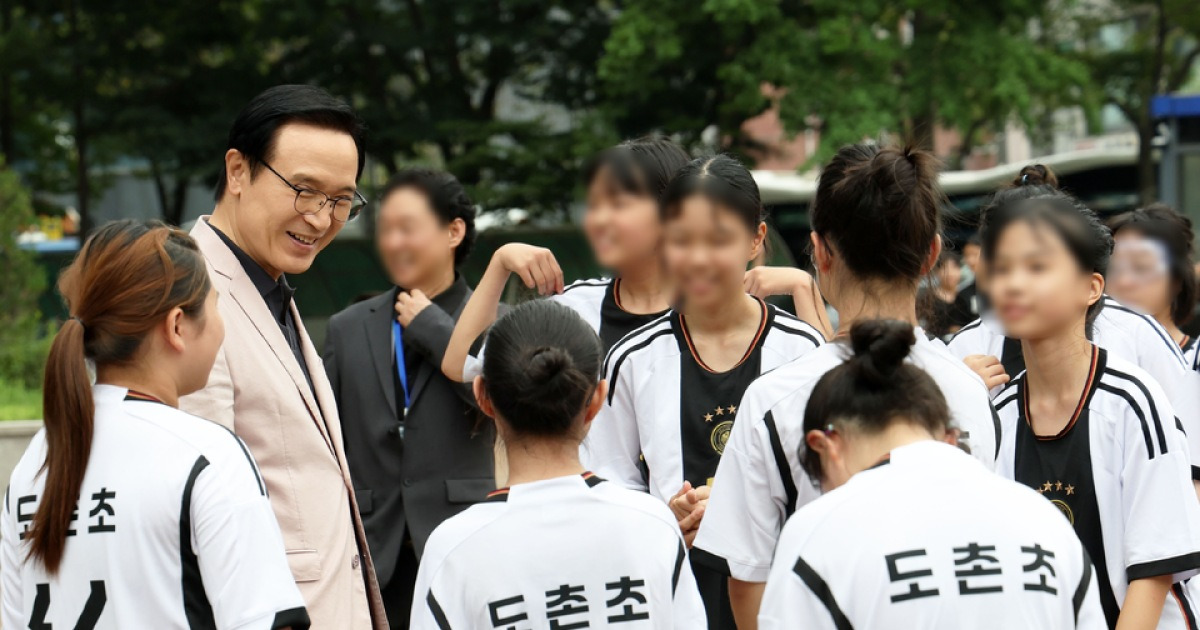
As the landscape of modern education continues to evolve, policymakers and administrators are increasingly scrutinizing the traditional, test-oriented pedagogical models that have long dominated classrooms. In South Korea, a significant shift in instructional focus is currently under discussion, aimed at moving beyond the conventional “intellect-centered” (智) approach to a more holistic framework. This proposed transition, often characterized as a move toward a “Body, Virtue and Intellect” (體德智) model, seeks to prioritize physical activity and character development as the foundational pillars of a student’s educational experience.
The core of this educational philosophy is the belief that academic performance should not be the sole metric of a student’s progress. By integrating regular physical exercise—designed to alleviate the pressures associated with high-stakes academic environments—with character education, proponents argue that schools can cultivate more resilient, collaborative, and creative individuals. This shift is designed to address the limitations of purely rote learning, which has historically focused heavily on standardized assessment scores and fixed answers.
The Shift Toward Holistic Development
The proposed framework, which has been gaining attention in provincial educational discourse, is structured around three distinct but interconnected stages. First, the “Body” (體) component emphasizes physical activity as a primary tool for stress reduction, aiming to build both physical health and a sense of cooperation among students. This is intended to serve as the starting point for all subsequent learning.
Following this, the “Virtue” (德) stage focuses on establishing fundamental character traits, such as respect and consideration for others, using the student’s physical growth as a developmental anchor. Finally, the “Intellect” (智) stage builds upon these established character foundations. In this view, a student who has developed both physical health and personal integrity is better equipped to tackle future challenges through creative and interdisciplinary problem-solving.
This approach represents a departure from the traditional, input-heavy model of schooling that has been criticized for prioritizing memory over critical thinking. By fostering an environment where physical activity is treated as an essential component of the curriculum rather than an extracurricular luxury, educators hope to improve the overall well-being of the student body. The ultimate goal is to nurture “future-ready” talent capable of navigating complex, real-world problems.
Expanding Access and Implementation
Discussions are currently underway regarding the expansion of programs that embody this philosophy. Reports indicate that initiatives previously piloted in a large number of schools—reaching nearly a thousand institutions in the previous year—are now being considered for a broader, system-wide rollout. The objective is to make these programs available to all schools that express interest, marking a potential shift in the standardized curriculum of the region.
For parents, educators, and stakeholders, this potential policy change signals a broader trend in educational reform: a move toward balancing mental rigor with physical and social-emotional development. As the conversation progresses, the challenge for administrators will lie in successfully integrating these activities into existing school schedules without compromising the core academic requirements mandated by national standards.
Understanding the “Body, Virtue, Intellect” Model
- Body (體): Focused on physical health, stress management, and the development of collaborative social skills through movement.
- Virtue (德): Centered on building basic character, empathy, and respect for others, grounded in the student’s physical and developmental growth.
- Intellect (智): Designed to encourage creative, interdisciplinary problem-solving once the foundations of character and health are secure.
The implementation of such programs often requires significant coordination between local educational authorities and individual school districts. While the ambition to change the educational paradigm is clear, the practical application—including teacher training, facility updates, and curriculum adjustments—remains a subject of ongoing administrative review. Stakeholders are encouraged to monitor upcoming district-level meetings and official announcements for updates on the timeline for this expansion and to review any forthcoming guidelines that may affect local school operations.
As these developments unfold, the focus will remain on whether these shifts can effectively bridge the gap between traditional academic standards and the evolving needs of students in a fast-paced, competitive environment. Further details regarding the specific criteria for school participation and the allocation of resources are expected to be released as the proposal moves through the necessary oversight and deliberation processes.
We will continue to follow these discussions as they proceed through local administrative channels. Readers interested in the specifics of this educational shift are encouraged to stay tuned for further updates on policy implementation and to participate in public forums when available.
Related reading