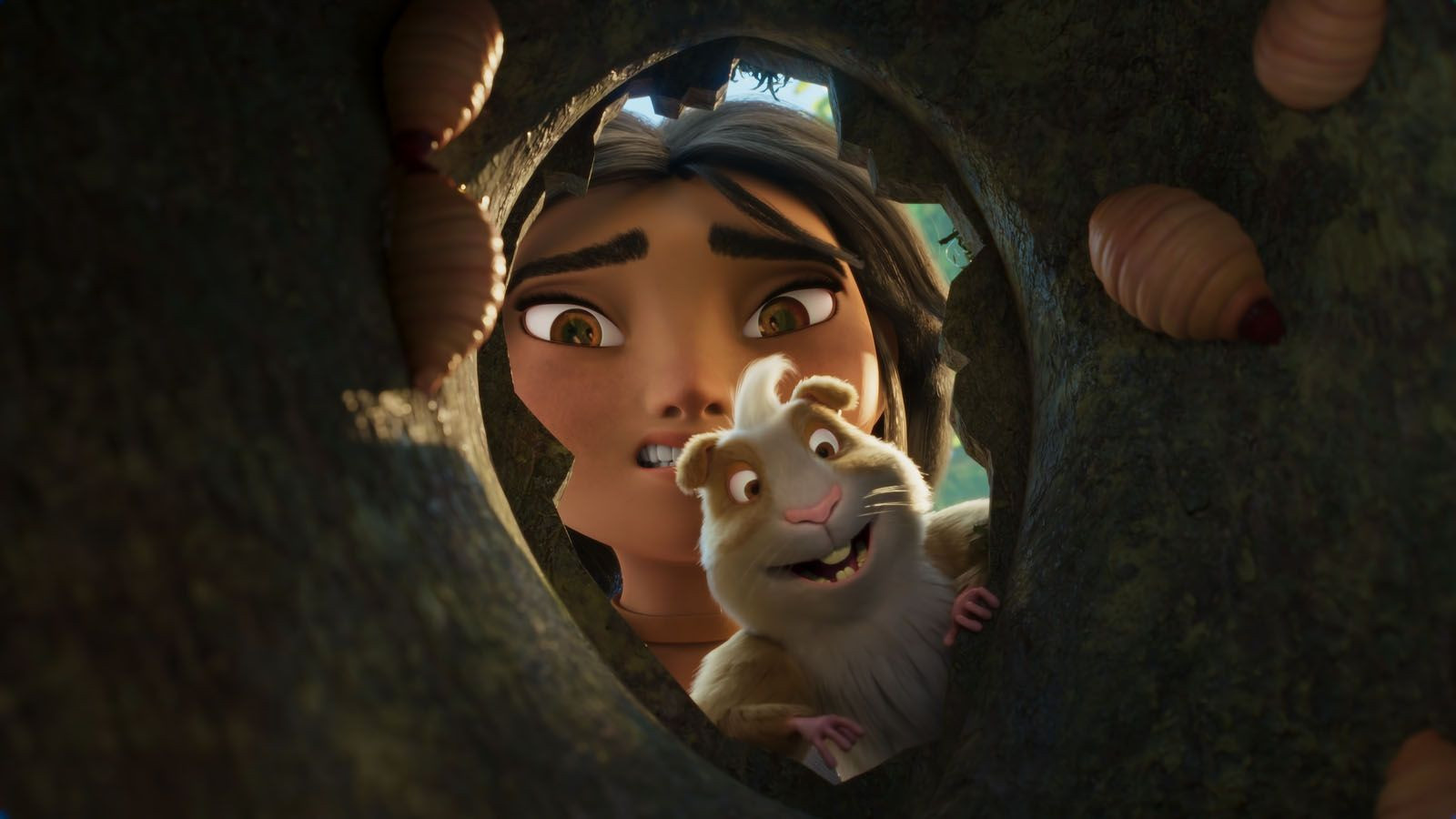
The animated feature film Kayara, directed by Cesar Zelada, introduces audiences to the rich cultural tapestry of the Inca Empire through the eyes of a determined 16-year-old protagonist. The film, which is categorized as a family-friendly adventure, centers on the titular character’s ambition to join the ranks of the Chasquis, the legendary elite messengers of the Inca civilization. By blending historical inspiration with a narrative focused on personal perseverance, the production seeks to offer viewers an accessible entry point into Andean history and mythology.
The Narrative Arc of Kayara
At its core, Kayara follows the journey of a young woman who defies the traditional societal expectations of her era. Within the historical context of the Inca Empire, the Chasquis were highly trained runners tasked with delivering messages and goods across the vast expanse of the empire, utilizing an extensive road system known as the Qhapaq Ñan. According to the UNESCO World Heritage Centre, this road network was a masterpiece of engineering that spanned thousands of kilometers across the Andes, connecting diverse regions and cultures.
The film dramatizes the challenges faced by its protagonist as she attempts to break into a profession historically reserved for men. Director Cesar Zelada utilizes the medium of animation to illustrate the rugged, breathtaking geography of Peru, providing a visual backdrop that emphasizes the physical endurance required of a Chasqui. The story serves as both an adventure and a reflection on the gender dynamics and cultural roles present in pre-Columbian societies, framed for a general family audience.
Production and Cultural Context
The production of Kayara represents a growing trend in Latin American animation, where filmmakers are increasingly drawing upon indigenous history to create original content. By focusing on the Inca Empire—the largest empire in pre-Columbian America—the film invites international audiences to engage with Andean traditions. The Inca civilization, which reached its height in the 15th and early 16th centuries, remains a significant subject of study for historians and archaeologists interested in the sophisticated administrative and architectural systems of the Andes, as detailed in reports by Encyclopaedia Britannica.
For families considering the film, the themes of duty, perseverance, and historical discovery are central. The animation style is designed to be inclusive for children aged six and older, balancing educational historical elements with the pacing and excitement typical of the adventure genre. By focusing on the role of the messenger, the film highlights the importance of communication and connectivity, which were the lifeblood of the Inca state.
Historical Significance of the Chasquis
Understanding the role of the Chasquis adds depth to the film’s premise. These runners operated in a relay system, allowing news and essential supplies to travel at remarkable speeds across mountainous terrain. Research published by the Smithsonian Magazine notes that the efficiency of the Chasquis was vital to the centralized governance of the Inca, who lacked a written language and instead relied on a system of record-keeping known as the quipu. The film’s focus on a character aspiring to this role underscores the prestige and physical rigor associated with the position.

The film’s director, Cesar Zelada, has been noted for his commitment to bringing Peruvian stories to the global market. As the industry continues to evolve, projects like Kayara contribute to a more diverse representation of world history in mainstream animation. The film invites viewers to explore not only the fantasy of the adventure but also the reality of a civilization that thrived in one of the most challenging environments on Earth.
Looking Ahead
Audiences can monitor updates regarding the film’s international theatrical release and streaming availability through official studio announcements. As of the latest industry updates, distributors are finalizing regional release schedules to ensure the film reaches its intended family demographic.
We encourage readers to share their thoughts on the film or comment below if they have had the opportunity to view it. Further updates will be provided as more details regarding the film’s global distribution become available.