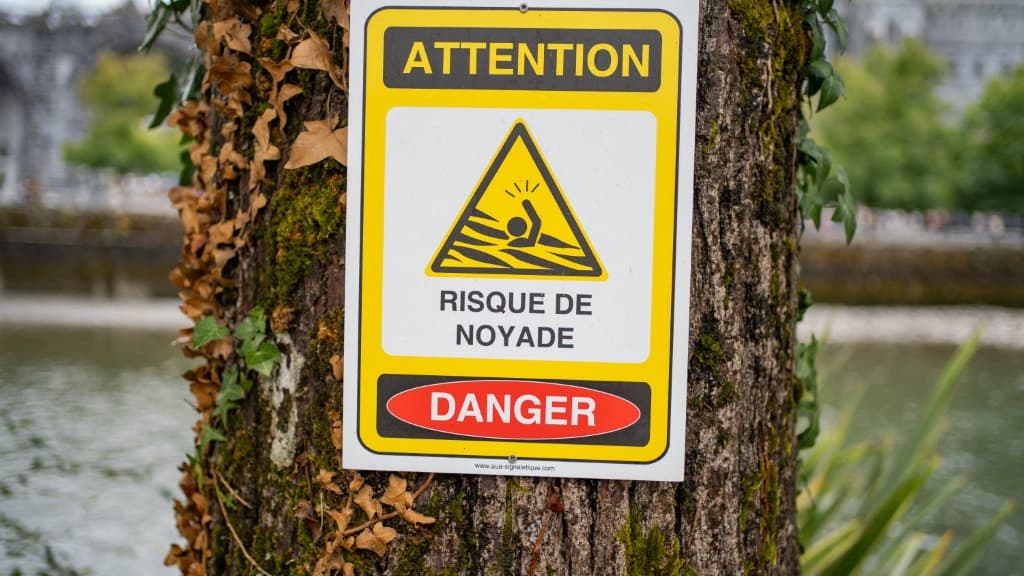
French authorities have reported that 131 people have died by drowning in France since June 19, a period marked by intense heatwaves and high temperatures across the country. The data, confirmed by the French Ministry of Sports, highlights the significant risks associated with water-based activities during extreme weather conditions as citizens seek relief from the heat in rivers, lakes, and coastal waters.
The figure represents a concerning trend for the summer season, as local authorities continue to manage the dual challenges of managing wildfire risks and ensuring public safety in swimming areas. The French meteorological service, Météo-France, has maintained high-level alerts across multiple departments, with 24 regions placed under red vigilance status as of Saturday, indicating an extreme heat event requiring heightened caution from the public.
Rising Drowning Statistics Amid High Temperatures
The surge in fatalities has prompted officials to issue repeated warnings regarding swimming safety. According to the Ministry of Sports, the 131 deaths recorded since mid-June encompass a variety of aquatic environments, ranging from supervised beaches to uncontrolled natural water bodies. The heatwave, which has pushed temperatures well above seasonal averages, is believed to be a contributing factor, as more individuals attempt to cool off in environments where the physical strain of cold water or hidden currents can lead to rapid exhaustion.
Public health agencies emphasize that “hydrocution”—a thermal shock caused by the difference between body temperature and cold water—remains a major risk during heatwaves. Officials advise the public to enter the water gradually, particularly after prolonged exposure to the sun, and to prioritize swimming in areas monitored by professional lifeguards. The Ministry of Sports continues to coordinate with regional prefectures to reinforce safety messaging at popular swimming spots.
Wildfire Activity and Regional Vigilance
Beyond the risks associated with water safety, the current meteorological situation has escalated the threat of wildfires. The combination of sustained high temperatures, dry soil conditions, and intermittent wind gusts has created an environment where vegetation is highly combustible. As reported by regional authorities, firefighters remain mobilized across several departments to contain active blazes and prevent the spread of fires into residential or forested areas.
The “vigilance rouge” or red alert status currently active in 24 departments serves as the highest level of warning issued by Météo-France. This classification triggers specific emergency protocols, including the potential restriction of public events, the temporary closure of certain parks or forests, and the deployment of additional emergency medical resources to assist those suffering from heat-related ailments.
Official Safety Guidance
To mitigate further incidents, the government has reiterated essential safety protocols for the duration of the heatwave. Citizens are encouraged to:
- Only swim in areas where lifeguards are present and flag warnings are green.
- Avoid sudden immersion in cold water to prevent thermal shock.
- Stay hydrated and avoid strenuous physical activity during the hottest parts of the day, typically between 11:00 a.m. and 9:00 p.m.
- Monitor vulnerable individuals, including the elderly and young children, who are at a higher risk of heat exhaustion and dehydration.
The Ministry of Sports and the Ministry of the Interior maintain that vigilance is required until the weather patterns shift and temperatures return to more moderate levels. The government is expected to provide updated statistics on both heat-related health incidents and drowning fatalities as the week progresses. Residents are advised to consult the official Météo-France website for real-time updates on local alerts and safety recommendations.
For ongoing updates regarding weather safety and emergency services, the public is encouraged to follow notifications from their local prefecture and the national emergency broadcast systems. As the situation remains fluid, further official reports are anticipated early next week.