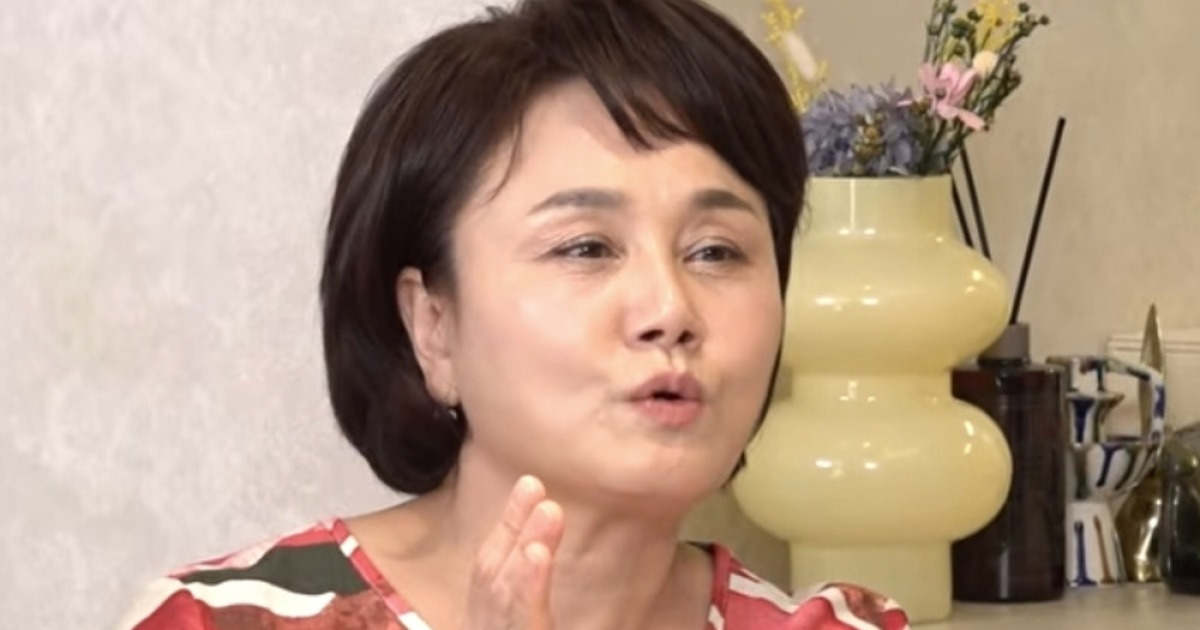
Maintaining scalp health and hair density into advanced age is a common health objective, often influenced by a combination of genetics, nutrition, and daily grooming habits. Recent public discussions surrounding the hair maintenance of a 98-year-old mother, highlighted by South Korean comedian Lee Gyeong-sil, have brought renewed attention to the role of consistent scalp care in hair longevity. While genetics remain the primary determinant of hair loss, dermatological consensus emphasizes that early intervention and lifestyle management are critical factors in preserving hair follicle health.
According to the American Academy of Dermatology (AAD), hair loss—or alopecia—can be triggered by a variety of factors including hormonal changes, systemic health conditions, and environmental stressors. While anecdotal reports often focus on specific washing techniques, medical professionals suggest that the mechanical act of washing is secondary to the overall health of the scalp environment. Maintaining a clean, inflammation-free scalp is widely considered a foundational step in supporting the hair growth cycle.
Scalp Health and the Role of Consistent Grooming
The practice of gentle scalp massage during hair washing, as mentioned in public anecdotes, is often cited by dermatologists as a method to improve local blood circulation. However, the Harvard Medical School notes that while scalp massage may increase blood flow to the hair follicles, there is limited clinical evidence that it can reverse established hair loss or stimulate significant new growth on its own. Instead, the primary benefit of a well-executed wash routine is the removal of excess sebum, environmental pollutants, and product buildup that can otherwise cause follicular inflammation.

For those concerned about thinning hair, clinical guidance focuses on several key pillars:
- Gentleness: Using lukewarm water and mild shampoos to avoid stripping the natural oils that protect the scalp barrier.
- Consistency: Establishing a routine that prevents the accumulation of dandruff or fungal growth, which can exacerbate hair thinning.
- Avoiding Traction: Reducing the use of tight hairstyles that may lead to traction alopecia, a condition caused by constant pulling on the hair roots.
Identifying Early Signs of Hair Loss
Early diagnosis remains the most effective strategy for managing hair density. These symptoms can be early indicators of underlying issues such as iron deficiency, thyroid dysfunction, or autoimmune conditions like alopecia areata.
Medical experts emphasize that hair loss is rarely the result of a single lifestyle habit. Instead, it is usually a multifactorial process. A comprehensive approach involves monitoring nutritional intake—specifically protein, iron, and vitamin levels—and managing systemic stress. Patients are encouraged to avoid self-diagnosis through unverified online remedies, as many over-the-counter products for hair growth lack rigorous clinical validation.
Evidence-Based Approaches to Hair Management
When lifestyle modifications are insufficient, medical treatments are available. These treatments work by extending the growth phase of the hair follicle or inhibiting the hormones responsible for follicular shrinkage. Any treatment plan should be reviewed by a qualified physician to ensure it is appropriate for the patient's specific type of hair loss and overall health profile.
As we continue to observe advancements in dermatological research, the focus remains on personalized medicine. Future clinical updates regarding hair restoration therapies will be published by major health regulatory bodies. Readers are encouraged to monitor updates from local health ministries and dermatological associations for the latest guidelines on hair health. For those seeking professional guidance, consulting with a dermatologist is the recommended next step for a personalized assessment of hair and scalp health.