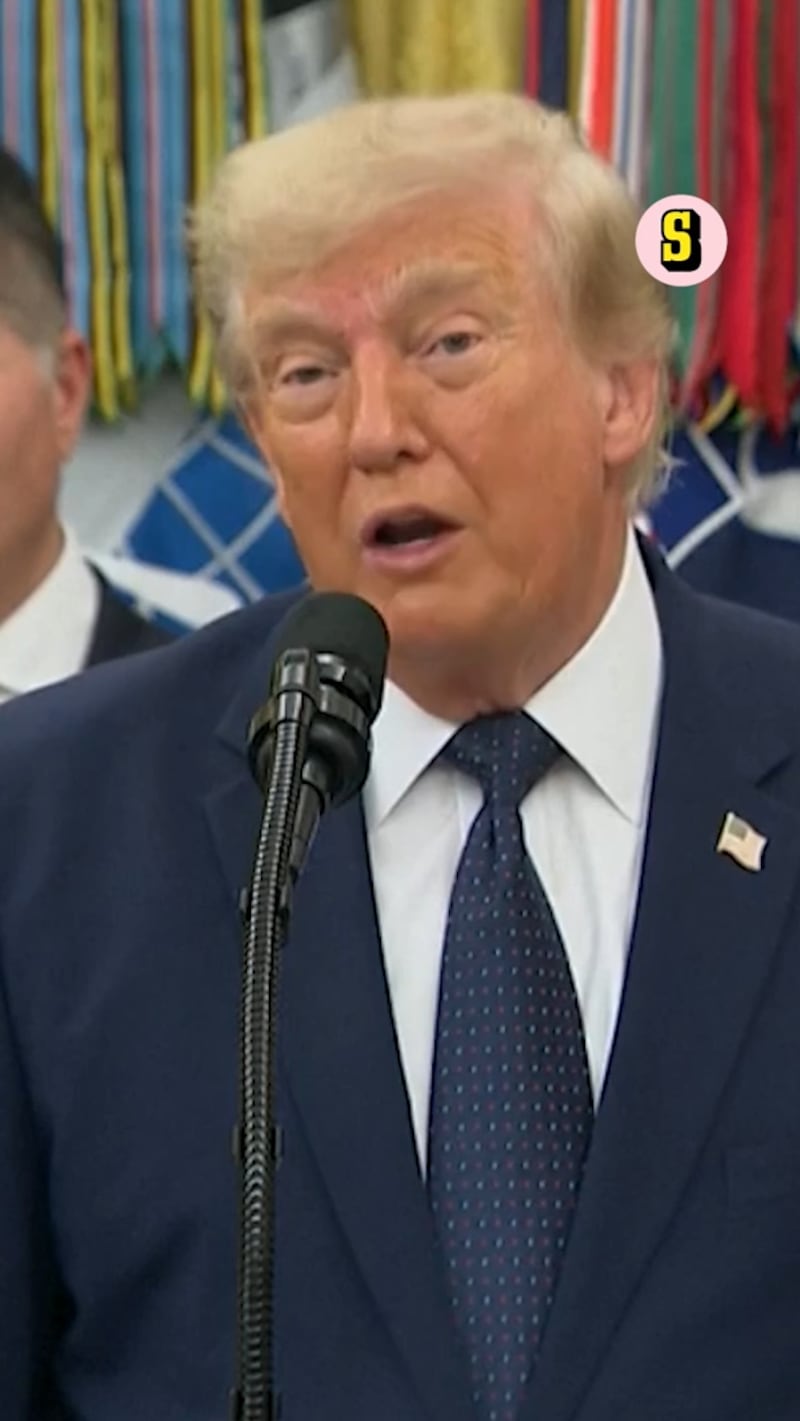
FIFA President Gianni Infantino has faced formal complaints filed with the International Olympic Committee’s (IOC) Ethics Commission, marking a significant escalation in the scrutiny surrounding the governing body’s leadership following the 2022 World Cup in Qatar. The move, which follows intense international debate regarding human rights and transparency in football governance, places the Swiss-Italian administrator under renewed pressure from external oversight bodies.
The filing of these complaints highlights a growing friction between FIFA’s internal management and international sporting standards. While FIFA has maintained that its internal processes are sufficient to handle organizational governance, critics argue that the scale of recent controversies—ranging from labor conditions in host nations to the structural integrity of FIFA’s own decision-making—necessitates an independent review by the Olympic movement’s ethics arm.
The Complaint Process and IOC Oversight
The involvement of the IOC Ethics Commission represents a rare intersection of global football politics and the broader Olympic movement. According to Sveriges Radio, the formal reporting of Infantino centers on allegations of ethical breaches connected to his tenure and the controversial bidding processes that have defined his presidency. The IOC Ethics Commission acts as the guardian of the Olympic Charter, which emphasizes integrity, transparency, and good governance, principles that the complainants argue have been disregarded by FIFA’s leadership.
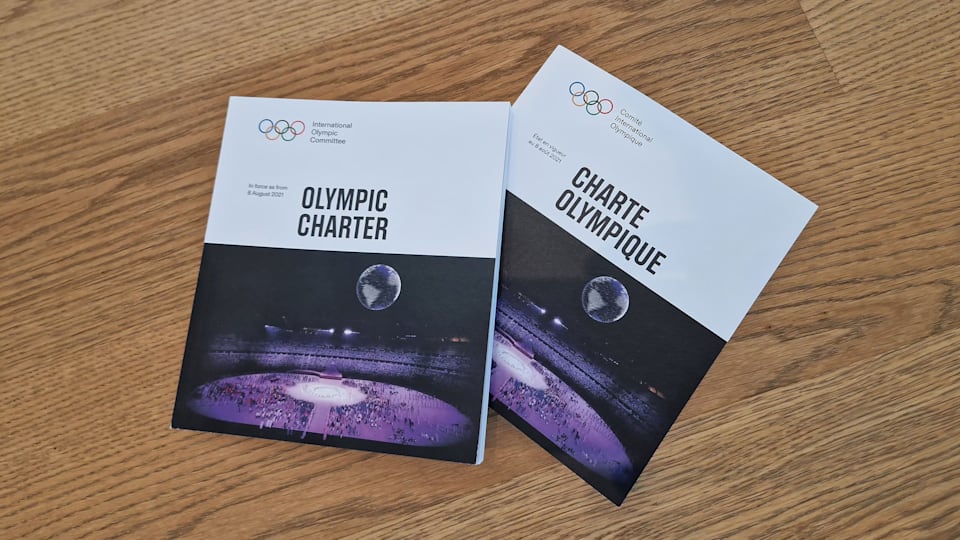
For observers of international sports law, the filing is a procedural signal that traditional internal FIFA mechanisms are increasingly viewed as inadequate by stakeholders. The IOC Ethics Commission does not typically intervene in the day-to-day operations of independent international federations; however, the body maintains the authority to investigate matters that could damage the reputation of the Olympic movement or violate the fundamental principles of the Olympic Charter.
Context of the FIFA Governance Debate
The pressure on Infantino is not isolated. Following the 2022 tournament, discussions regarding FIFA’s organizational culture have dominated sports journalism. Reports from Svenska Dagbladet have suggested that the long-term impact of recent scandals may fundamentally alter the way FIFA interacts with global partners. The core of this argument is that FIFA’s aggressive pursuit of commercial expansion has come at the expense of the organization’s original mission, creating a widening gap between the governing body and the fans it claims to represent.
This discontent is echoed in the broader legal and political landscape. While specific litigation often unfolds in national courts—such as recent criminal proceedings in Sweden regarding unrelated violent crimes, as noted in reports by Dagens Nyheter—the scrutiny on FIFA remains centered on administrative accountability. The contrast between how national legal systems handle individual criminal cases and how international sports bodies handle systemic governance failures remains a point of contention for transparency advocates.
Implications for FIFA Leadership
The impact of these complaints remains to be seen, as the IOC Ethics Commission rarely releases real-time updates on ongoing investigations. However, the move serves as a public barometer for the dissatisfaction felt by various national football associations and independent human rights groups. Historically, FIFA has resisted external oversight, relying on its statutes and internal ethics committees to manage disputes.

The current situation presents a challenge to the status quo. If the IOC were to take formal action, it could set a precedent for how international federations are held accountable for actions that occur outside of the field of play. For now, the sporting world awaits a response from both the FIFA administration and the IOC regarding the status of these filings.

As the situation continues to unfold, stakeholders are looking toward the next meeting of the FIFA Council for any potential shifts in policy or leadership strategy. Updates regarding these filings will be monitored closely, as they represent the most significant external legal challenge to Infantino’s presidency to date. Readers interested in the ongoing developments of this case are encouraged to follow official releases from the International Olympic Committee and verify future filings through established legal channels.
This is a developing story. We will provide updates as official statements and procedural decisions are made public. Join the conversation in the comments section below to share your perspective on the future of football governance.