
Historical survival recipes from 1945 have gained renewed interest on social media platforms, as digital creators revisit the resourcefulness required during the immediate post-war period in Germany. These culinary practices, often characterized by extreme scarcity and the creative use of limited rations, offer a glimpse into the domestic realities of a country facing widespread food shortages and the collapse of supply chains following the Second World War.
While viral social media content often frames these methods as survivalist tips, historians note that the diet of 1945 was defined by a caloric deficit that affected the entire civilian population. According to the German Federal Archives, the collapse of infrastructure and the disruption of agricultural production led to a severe rationing system that struggled to meet basic nutritional needs. During the final months of the war and the subsequent occupation, the average daily caloric intake for many German civilians dropped significantly below the levels required for basic health, a period often referred to in German history as the Hungerwinter or “hunger winter.”
The Reality of Post-War Food Rationing
The food landscape in 1945 was dictated by the Allied occupation authorities and the remnants of local government systems. After the unconditional surrender in May 1945, the German population faced a fragmented distribution system. As documented by the United States Holocaust Memorial Museum, widespread displacement and the destruction of transport networks meant that even when food was available in rural areas, it could not effectively reach urban centers. This forced families to rely on “ersatz” (substitute) ingredients, such as chicory for coffee or sawdust-extended flour, to supplement their meager rations.
The recipes circulating online today often highlight the use of wild greens, potatoes, and bread-based soups. These reflect the genuine survival strategies of that era, where the objective was not culinary variety but the preservation of life through the consumption of any non-toxic organic matter. Historians emphasize that these were not traditional family recipes passed down for flavor, but rather emergency measures necessitated by a total breakdown of the civilian economy.
Nutritional Challenges and Public Health
The long-term impact of the 1945 food crisis on the German population was profound. Medical records from the Allied military government indicate a surge in malnutrition-related illnesses, such as edema and vitamin deficiencies, during the winter of 1945-1946. According to data published by the Institute of Contemporary History (IfZ), the caloric intake in the Western occupation zones was occasionally restricted to as little as 1,000 to 1,500 calories per day for average adults, well below the standard requirement for physical labor or recovery.
.png "Nutritional Challenges and Public Health")
This period of extreme deprivation is a central theme in modern German historical education. The focus remains on the resilience of the population in the face of absolute scarcity. While modern social media trends may glamorize the “simplicity” of these survival recipes, experts caution that they are inextricably linked to a humanitarian crisis that claimed thousands of lives due to starvation and exposure.
Understanding the Historical Context
When analyzing these recipes, it is essential to distinguish between historical curiosity and the romanticization of trauma. The “survival recipes” of 1945 are artifacts of a period where the primary constraint was a lack of access to basic caloric necessities. By examining these historical documents, researchers can better understand the logistical failures of the era and the resourcefulness required for survival in a post-conflict society.
For those interested in the authentic documentation of this period, the Haus der Geschichte der Bundesrepublik Deutschland maintains extensive archives detailing the daily life and rationing systems of the German population throughout the mid-1940s. These resources provide a factual basis for understanding how civilians managed to navigate one of the most difficult chapters in 20th-century history.
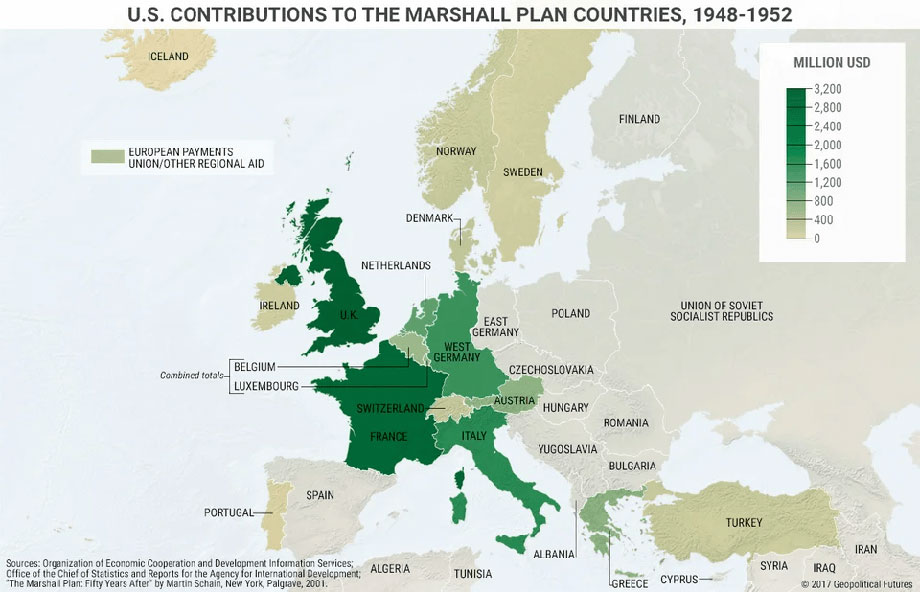
Future academic inquiries into this period continue to focus on the transition from the emergency rationing of 1945 to the economic stabilization seen during the Marshall Plan years. As new archival materials are digitized, researchers expect to gain further insights into the specific nutritional strategies utilized by households in different regions of Germany. Readers interested in historical accuracy are encouraged to cross-reference social media content with these official institutional databases.
Do you have questions about the historical documentation of post-war rationing? Share your thoughts or research findings in the comments below.