As the NFL trade deadline approaches, the rumor mill is churning with speculation regarding several high-profile players. For fans and analysts alike, this period serves as a critical juncture where teams weigh the cost of immediate roster upgrades against the long-term value of draft capital. While social media is often flooded with hypothetical scenarios, the reality of mid-season player movement is far more complex, governed by salary cap constraints, team chemistry, and the strategic vision of front offices.
In this analysis, we look at the potential for NFL trade market movement involving names like Keon Coleman, Cole Kmet, Anthony Richardson, and Kayvon Thibodeaux. It is essential to distinguish between fan-driven trade ideas and the actual operational realities of professional football. As of the current league calendar, official sources have not confirmed any active trade discussions involving these specific players, though their names frequently appear in external discussions regarding team needs.
Evaluating the Landscape: NFL Trade Deadline Realities
The NFL trade deadline, typically occurring after Week 8 of the regular season, has seen increased activity in recent years. According to official league guidelines, teams have until the Tuesday following the eighth week to finalize trades. This window is the final opportunity for contenders to bolster their rosters and for rebuilding teams to acquire future assets.
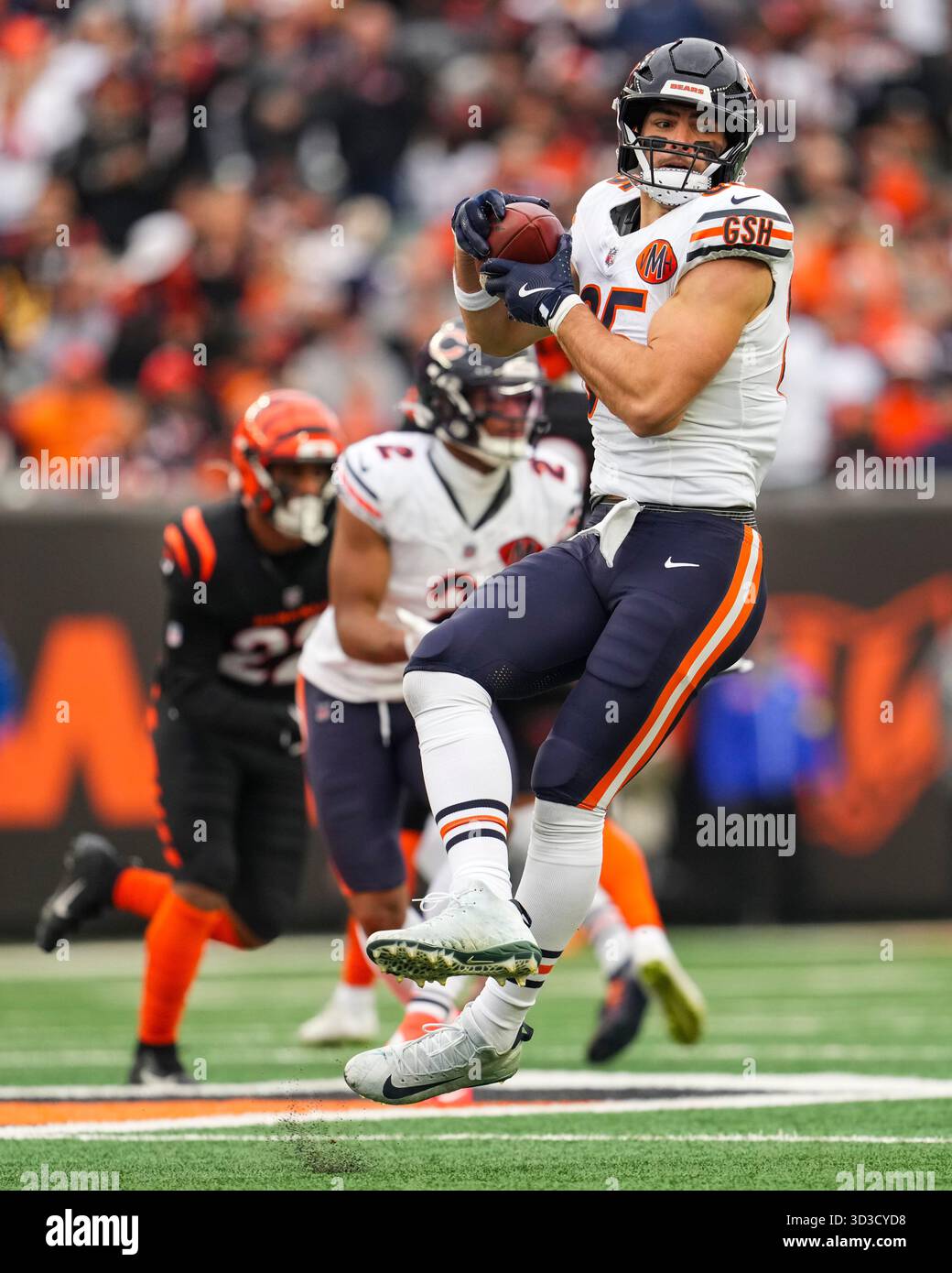
However, moving players like tight end Cole Kmet or defensive end Kayvon Thibodeaux involves significant financial maneuvering. Under the current Collective Bargaining Agreement, teams must account for the remaining guaranteed salary and signing bonus proration when trading a player. For a team to take on a significant contract, they must possess sufficient cap space, a resource that many franchises manage with extreme precision throughout the season.
The Case of Developing Talent and High Draft Picks
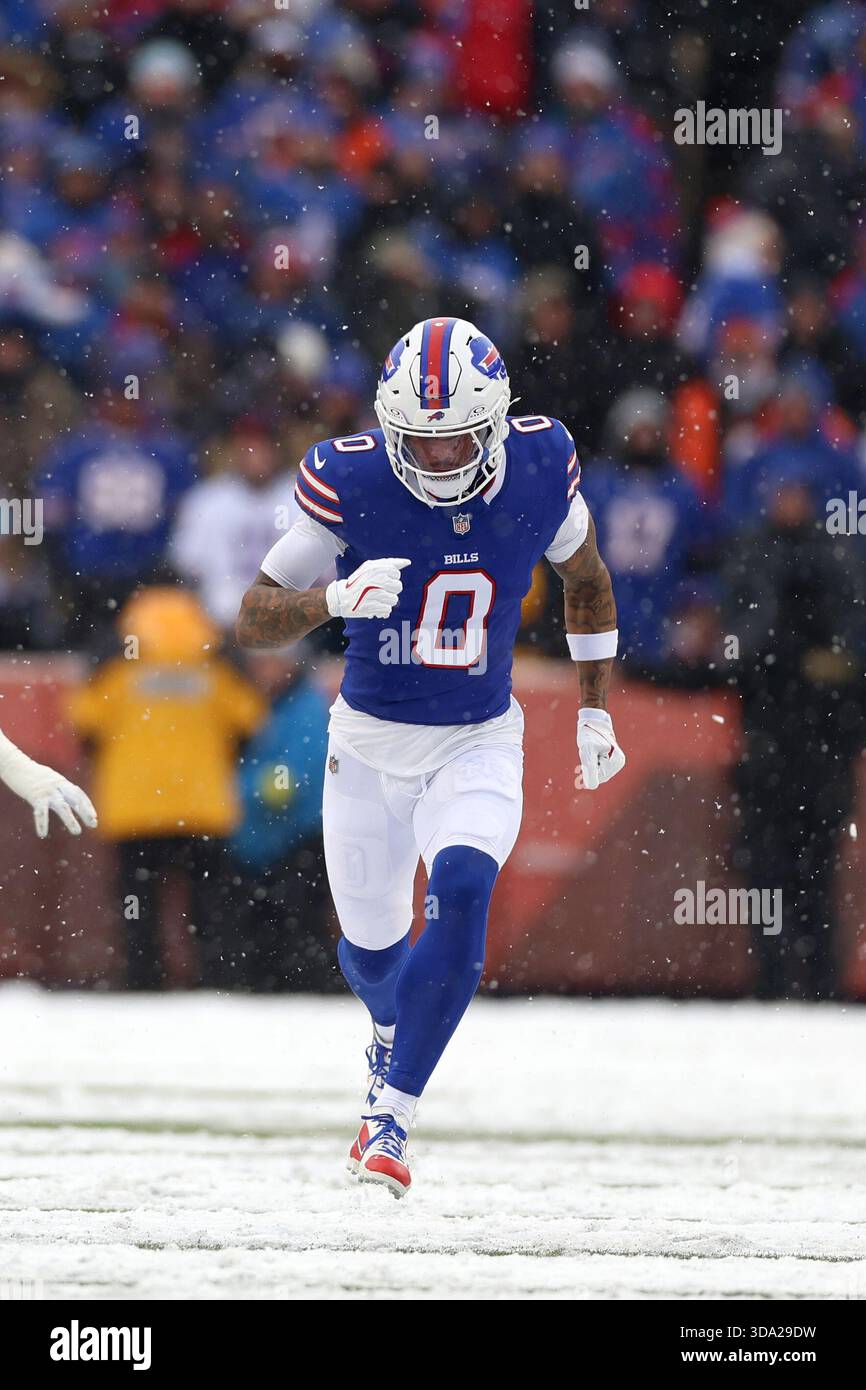
Speculation often centers on young players who are still on their rookie contracts. Keon Coleman, a rookie wide receiver for the Buffalo Bills, represents a significant investment for his organization. Historically, teams are hesitant to trade high-draft-pick rookies within their first year, as these players are viewed as foundational pieces for the team’s future development. Any suggestion that a player of Coleman’s status is on the move is often speculative and lacks backing from team management or verified reports.
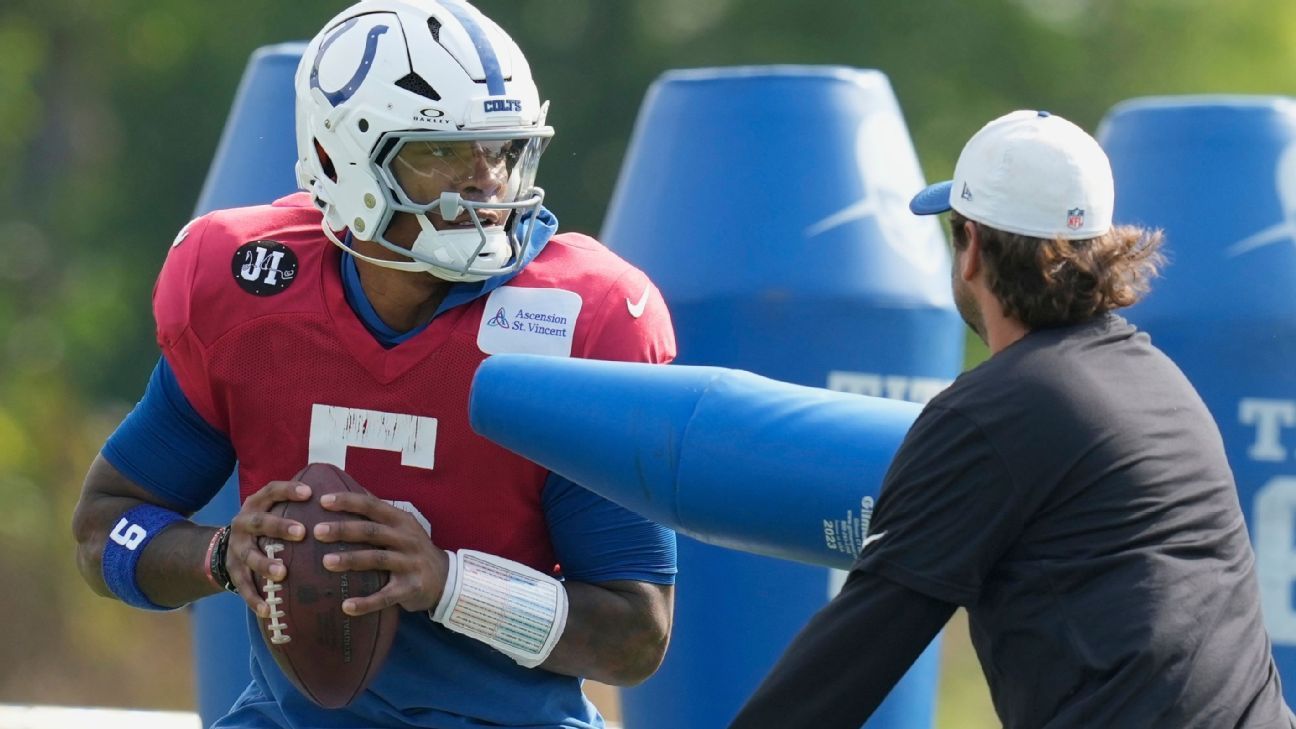
Similarly, the discourse surrounding quarterbacks like Anthony Richardson often stems from the intense scrutiny of the position. When a young signal-caller faces a period of inconsistent performance, external voices often suggest a change in scenery. However, the Indianapolis Colts have maintained a consistent public stance regarding their commitment to their developmental timeline for their roster. In professional sports, stability is often prioritized over reactionary moves, especially regarding players selected in the first round.
Defensive Anchors and Team Strategy
Kayvon Thibodeaux remains a focal point for the New York Giants’ defense. As a former top-five pick, his value to the franchise is tied to his ability to generate pressure on opposing quarterbacks. While trade rumors can circulate regarding any player on a struggling team, the front office must balance the potential return in draft picks against the difficulty of replacing a premier pass-rusher. According to official team communications, the focus remains on internal growth and scheme execution rather than roster overhaul.
When analyzing these potential moves, it is helpful to consider the “buy vs. Sell” mentality. Contenders usually look for veteran depth, while teams looking to pivot toward the future seek draft picks. The intersection of these needs is where actual trades occur, but rarely does it involve marquee young talents who are central to a team’s long-term identity.
Key Considerations for NFL Trade Speculation
- Salary Cap Impact: Does the acquiring team have the financial flexibility to absorb the player’s contract?
- Draft Capital: Are the assets offered sufficient to justify losing a starter or a high-upside developmental piece?
- Team Philosophy: Does the coaching staff believe in the player’s long-term fit within their specific system?
- Contract Status: Is the player in the final year of their deal, or do they offer multiple years of control?
What Happens Next?
As we move closer to the official league deadline, the most reliable information will come from direct statements issued by general managers and team beat reporters who have verified access to locker room developments. Fans should remain cautious of unverified reports circulating on social media platforms that lack attribution to credible news organizations. The next major checkpoint for roster movement will be the official league-mandated deadline, at which point all transactions must be filed with the NFL office.
For those following the league closely, keeping an eye on the official NFL Transactions wire is the best way to verify any actual movement. We will continue to monitor the situation as the deadline approaches. If you found this analysis helpful, I encourage you to share your thoughts in the comments section below and join the conversation on our social channels.
Worth a look