
As organizations across the globe race to integrate generative artificial intelligence into their core workflows, a hidden fiscal challenge has emerged: the ballooning cost of token consumption. For many engineering teams, the aggressive use of Large Language Models (LLMs) has led to monthly bills that threaten to erode the productivity gains promised by automation. This financial pressure has sparked a new wave of innovation focused on token optimization, with developers seeking ways to trim the “fat” from their AI prompts before they ever reach the model.
Tejas Chopra, a senior engineer, has emerged as a key figure in this space with the introduction of Project Headroom. Designed as an open-source tool to prune redundant agent instructions, the software aims to minimize unnecessary token usage—which Chopra estimates can account for up to 90% of a request’s total volume. By focusing on what he calls “lossless context compression,” Chopra is providing developers with a mechanism to reduce operational overhead without sacrificing the quality of the AI’s output. The project, which has gained significant traction on platforms like GitHub, highlights a growing industry trend toward more efficient, cost-conscious AI architecture.
The Hidden Cost of Verbose Prompts
The realization that LLM usage could become a significant line item came to Chopra after a $287 bill for a modest home project involving Claude Sonnet. While the model’s pricing—often cited at approximately $3 per million input tokens—initially appears manageable, the sheer volume of data sent during debugging, refactoring, and database querying can scale costs rapidly. The issue is rarely the creative prose or complex reasoning tasks. rather, it is the “boilerplate” data that accompanies every API call. This includes verbose JSON schemas, redundant nested templates, and repetitive metadata that LLMs consume as part of their context window, even if that information provides little functional value to the specific task at hand.
Research into LLM efficiency confirms that user input often accounts for the vast majority of total token consumption. In an effort to address these costs, developers have begun experimenting with various “token barbers” and compression tools. These solutions generally aim to strip away unnecessary characters and structures, effectively shrinking the input size before the model processes it. While model providers offer some native caching mechanisms—such as prefix caching—these settings are often opaque to the end user and involve complex trade-offs between cost, latency, and the time-to-live (TTL) of the cached data.
How Headroom Optimizes Context
Project Headroom functions as a proxy, operating on the developer’s local machine to intercept and parse inputs before they are sent to an LLM. By using specialized processes like “CacheAligner,” the tool identifies which parts of a prompt have changed and which remain static. By sending only the delta—or the new information—to the provider, it significantly reduces the need for redundant processing. This approach is particularly effective for server logs, database outputs, and file trees, where repetitive metadata often consumes a disproportionate amount of the available token budget.
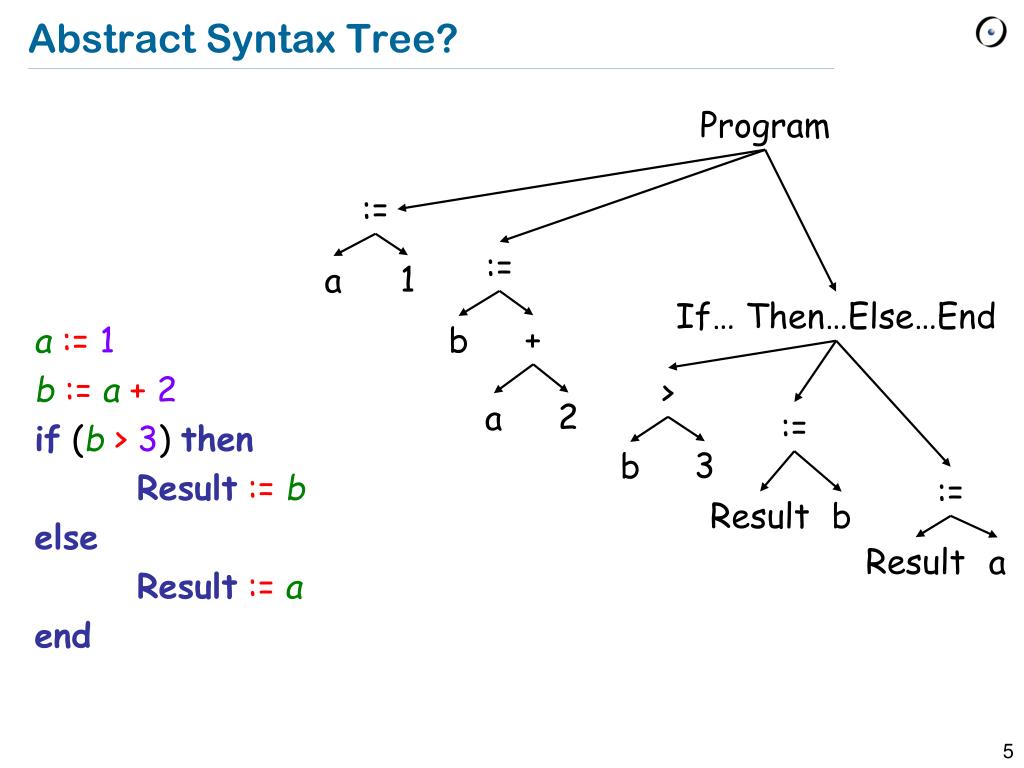
The software also utilizes an Abstract Syntax Tree (AST) compressor for programming code and dedicated compressors for JSON and Document Object Model (DOM) structures. A standout feature of Headroom is its “Compress Cache and Retrieve” (CCR) process. Unlike simple deletion tools, CCR allows the LLM to access the original, uncompressed data if it determines that the squashed version lacks necessary detail. This “reversible compression” ensures that while developers save money on the bulk of their requests, they do not lose access to critical information when the model requires it for accurate reasoning.
Beyond Savings: Improving Model Performance
The benefits of token optimization extend well beyond the balance sheet. Emerging research suggests that “context rot”—a phenomenon where model performance becomes increasingly unreliable as input length increases—is a real hurdle for AI-integrated applications. Studies from organizations like Stanford University have indicated that LLMs often prioritize the beginning and end of a prompt, frequently disregarding the middle section. By trimming irrelevant information, developers can help models focus on the most pertinent data, potentially improving output accuracy and reducing latency.
For applications requiring near-instant responses, such as voice-activated interfaces, latency is a critical metric. Even slight reductions in token count can lead to faster processing times, helping to meet the strict response windows required for natural-sounding interactions. As the industry continues to grapple with the energy demands of large data centers, the push for more efficient token usage also aligns with broader sustainability goals. By reducing the size of the context window, developers effectively lower the computational resources required for each interaction, though experts remain cautious about “Jevon’s Paradox”—the idea that increased efficiency often leads to higher overall consumption as demand grows.
Key Takeaways
- Token Optimization: Developers are increasingly using open-source tools to prune redundant data from AI prompts, significantly reducing API costs.
- Reversible Compression: Unlike basic trimming, tools like Project Headroom allow models to retrieve original data if needed, ensuring accuracy is maintained.
- Performance Gains: Reducing input length can help mitigate “context rot,” where models struggle to process excessively large prompts, potentially improving overall response quality.
- Practical Utility: While still in early development (v0.22), the project has already seen widespread adoption by developers looking to manage the cost of their AI-driven workflows.
Looking Ahead at AI Efficiency
As of early 2025, the conversation around AI usage is shifting from “how to build” to “how to build efficiently.” While commercial services for token compression are emerging, the open-source community remains a primary driver of innovation in this space. Projects like Headlight, which aims to track the origin of each token, promise to bring even more transparency to multi-model AI workflows. As more organizations adopt these practices, the industry will likely see a move toward standardized protocols for context management, aimed at balancing the immense power of LLMs with the practical limitations of cost, speed, and energy usage.
The next major milestone for tools like Headroom will involve expanding support for non-textual data types, including audio and video, which currently present unique challenges for tokenization. As these projects mature, they will likely become standard additions to the modern developer’s toolkit, providing a necessary check on the rising costs of the AI revolution. Readers interested in the latest updates to Project Headroom or similar open-source initiatives should monitor developer forums and GitHub repositories for ongoing contributions and documentation releases. We invite our readers to share their own experiences with managing AI usage costs in the comments below.
Worth a look