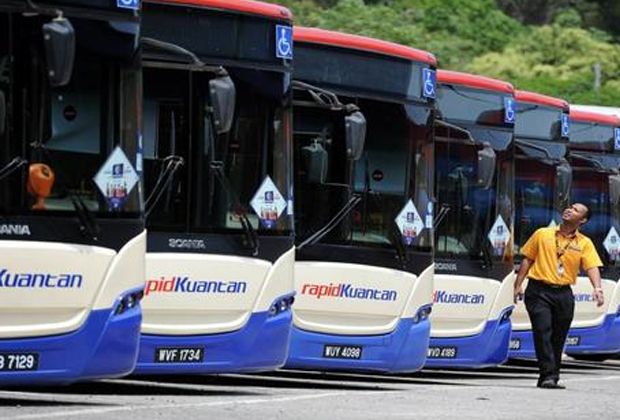
Rapid KL & Rapid Penang Hit record 1.54 million Passenger Journeys – A Deep Dive into Operational Success
Did you know that public transport in Kuala Lumpur and Penang reached an all-time high on New Year’s Eve 2025? Prasarana Malaysia Bhd reported over 1.54 million passenger journeys across its rail and bus networks – a testament to the growing reliance on, and effectiveness of, public transportation in these key malaysian cities. But what exactly drove this record, and what lessons can other transit systems learn from this success? Let’s explore the details, the strategies employed, and the future implications for urban mobility.
Record-Breaking Numbers: A New year’s Eve Milestone
On December 31, 2025, Rapid KL and Rapid Penang collectively facilitated 1,540,737 passenger trips. This figure represents a important 0.76% increase compared to New Year’s Eve 2024, demonstrating a consistent upward trend in public transport usage. This isn’t just about more people traveling; it’s a signal of changing urban habits and a growing preference for convenient, affordable, and sustainable transportation options.
The breakdown of passenger numbers reveals key insights:
* Rail Services: 1.29 million passengers
* Kelana Jaya Line: 321,381
* Ampang/Sri Petaling Line: 246,885
* Monorail: 90,748
* Kajang Line: 396,141
* Putrajaya Line: 234,158
* Bus Services (including Rapid On-Demand): 251,737 passengers
* Rapid KL: 183,944
* Rapid Penang: 48,002
* Sunway Bus Rapid transit: 19,791
These numbers highlight the crucial role of both rail and bus networks in accommodating peak demand during major events.
The secret to Smooth Sailing: Operational Excellence in Action
Achieving this level of service during a peak event like New Year’s Eve requires meticulous planning and flawless execution. Prasarana’s success wasn’t accidental. According to Prasarana President and Group CEO Amir Hamdan, the key was the “efficiency of coordination and crowd control management” spearheaded by approximately 3,000 Rapid KL frontline personnel.
Here’s a breakdown of the strategies that contributed to the smooth operation:
* Proactive Crowd Management: Deploying a large frontline workforce allowed for real-time monitoring and management of passenger flow at key stations and event hotspots.
* Strategic Police Collaboration: Working with the police to manage traffic flow and enforce bus lane regulations ensured bus services remained punctual despite heavy congestion. This is a critical element frequently enough overlooked in transit planning.
* Integrated security: Coordination with the Auxiliary Police Force, event organizers, and security teams at major shopping malls created a layered security approach, enhancing passenger safety and managing potential bottlenecks.
* On-Demand Adaptability: The inclusion of Rapid On-Demand services provided a flexible solution for passengers needing first/last-mile connectivity,further easing congestion on main routes.
Practical Tip: For transit agencies, investing in robust communication systems and training frontline staff in crowd management techniques are paramount for handling peak demand.
Beyond New Year’s Eve: The Bigger Picture of Public Transport Growth in Malaysia
This record-breaking day isn’t an isolated incident. Malaysia is experiencing a broader shift towards public transport, driven by factors like:
* Urbanization: Kuala Lumpur and Penang are rapidly growing urban centers, leading to increased traffic congestion and a greater need for efficient public transport.
* Government Investment: The Malaysian government has been actively investing in expanding and upgrading its public transport infrastructure, including new rail lines and bus networks. Recent data from the Land Public Transport Agency (APAD) shows a 15% increase in government funding for public transport projects in 2024-2025.https://www.apad.gov.my/
* Sustainability Concerns: Growing awareness of environmental issues is driving demand for more sustainable transportation options.
* Cost-Effectiveness: Public transport remains a more affordable option compared to private vehicle ownership,especially considering rising fuel costs and parking fees.
Actionable Advice: Transit agencies should leverage data analytics
Keep reading