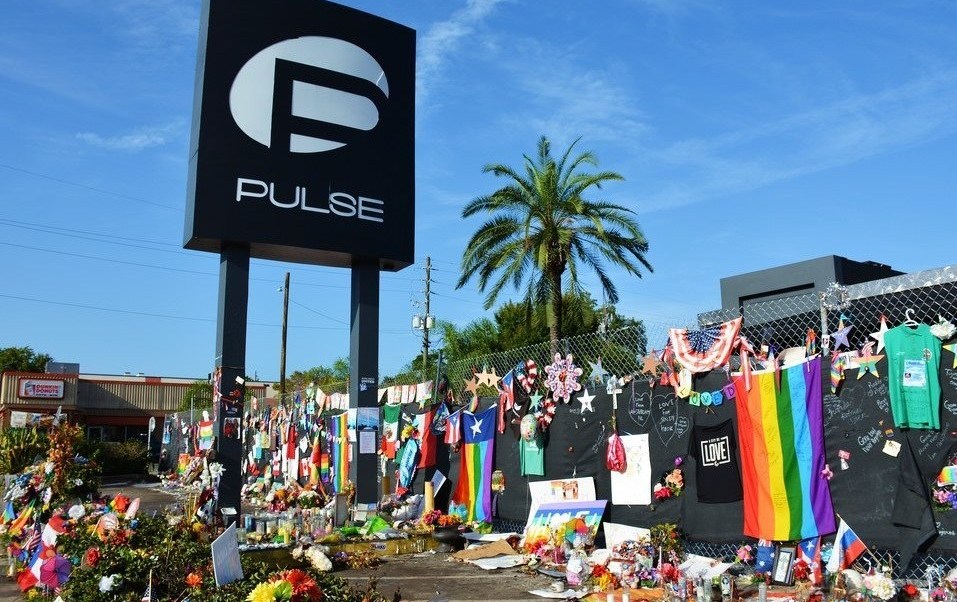
Ten years after the mass shooting at the Pulse nightclub in Orlando, Florida, communities across the United States, including San Diego, continue to hold commemorative services to honor the 49 victims of the 2016 attack. The San Diego LGBT Community Center recently hosted a memorial service and offering, providing a space for reflection on one of the deadliest acts of violence against the LGBTQ+ community in American history.
On June 12, 2016, a gunman opened fire inside the Pulse nightclub, a popular venue for Orlando’s Latinx and LGBTQ+ communities, resulting in the deaths of 49 people and injuring dozens more, according to records from the Federal Bureau of Investigation. The attack, which remains a focal point in discussions regarding hate crimes and gun violence, prompted a massive federal investigation and spurred long-term advocacy for enhanced protections for sexual and gender minorities.
Understanding the Impact of the Pulse Tragedy
The Pulse nightclub shooting remains the deadliest act of violence targeting the LGBTQ+ community in modern U.S. history. Beyond the immediate loss of life, the event fundamentally altered the safety protocols for nightlife venues and shifted the national conversation around domestic terrorism and hate-motivated violence. According to the Department of Justice, the incident was investigated as both a hate crime and an act of domestic extremism, highlighting the intersection of radicalization and targeted prejudice.
For survivors, families of the victims, and the broader community, the annual observances serve as both a mourning period and a call to action. In San Diego, as in cities across the globe, these gatherings emphasize the importance of visibility and resilience. The San Diego LGBT Community Center has consistently played a role in these local observances, facilitating spaces where individuals can share their grief and reaffirm their commitment to advocacy.
Legacy of Advocacy and Legal Precedents
In the decade since the tragedy, the legal landscape surrounding hate crimes has seen significant shifts. Following the Pulse shooting, numerous states reviewed their existing statutes to better address crimes motivated by bias against sexual orientation and gender identity. The U.S. Department of Justice continues to track and prosecute hate crimes under the Matthew Shepard and James Byrd Jr. Hate Crimes Prevention Act, which expanded federal jurisdiction to cover such offenses.

The impact of the tragedy also spurred institutional changes in how law enforcement agencies engage with minority communities. Many departments have since increased training for officers to better recognize and respond to potential hate crimes. According to the Office of Justice Programs, community-led initiatives and partnerships between local organizations and law enforcement are now prioritized as essential strategies for preventing future violence and ensuring that victims of bias-motivated crimes have access to necessary support services.
Commemorative Efforts and Community Healing
Memorials, such as the one held in San Diego, serve a critical function in the ongoing healing process for those affected by the events of 2016. These events often feature readings of the names of the 49 individuals who lost their lives, ensuring that their identities remain at the center of the narrative. By centering the victims, these services resist the tendency to focus solely on the perpetrator, a shift in media and public discourse that has become standard in the years since the attack.
Local community centers remain the primary touchpoints for those seeking resources or support. For those looking to stay informed about future commemorative events or to access mental health resources, the National LGBTQIA+ Health Education Center provides comprehensive guidance on trauma-informed care and community support networks. Such resources are vital, as the trauma of mass violence often persists long after the initial news cycle has passed.
Moving Forward: The Future of Public Safety
As the anniversary of the Pulse shooting passes, the question of what happens next remains central to community discussions. Advocacy groups are currently focusing on legislative efforts to improve gun safety measures and to increase funding for mental health services within marginalized communities. The White House has historically issued statements on the anniversary of the tragedy, emphasizing the commitment of the federal government to addressing the root causes of hate-fueled violence.
The next confirmed updates regarding legislative proposals or national memorial initiatives will likely be issued by official government agencies or recognized advocacy coalitions. Readers are encouraged to monitor updates from local community centers and national organizations for information on upcoming vigils or policy discussions. We invite you to share your thoughts or reflections in the comments section below, as we continue to document the ongoing impact of this significant event on our global community.
Related reading