While global automotive markets shift rapidly toward electrification, diesel engine-powered vehicles and machinery remain foundational to global industry. Diesel engines are favored in heavy-duty applications for their superior thermal efficiency, high torque output at low revolutions per minute, and durability under continuous load conditions. According to the International Energy Agency (IEA), these characteristics ensure that diesel remains the dominant energy source for sectors where battery density currently fails to meet operational requirements for range and power density.
The persistence of diesel technology is not a failure of innovation, but a functional necessity in specialized fields. From deep-sea maritime transport to remote mining operations, the energy density of diesel fuel—roughly 35 megajoules per liter—provides a logistical advantage that current lithium-ion battery technology cannot replicate in heavy, long-haul, or remote environments. The following ten machines illustrate why the diesel engine remains a critical, non-automotive component of the modern global economy.
1. Ocean-Going Cargo Vessels
The global shipping industry relies almost exclusively on massive two-stroke diesel engines. Vessels such as the Emma Mærsk class utilize engines like the Wärtsilä-Sulzer RTA96-C, which is widely recognized as the most powerful reciprocating engine in the world. As noted by the International Maritime Organization (IMO), these engines are designed for extreme longevity and efficiency, operating at constant speeds for weeks at a time to move the vast majority of the world’s traded goods. Despite ongoing research into ammonia and hydrogen propulsion, diesel remains the industry standard due to global refueling infrastructure and engine reliability.
2. Mining Haul Trucks
In the mining sector, vehicles like the Caterpillar 797F are essential for moving hundreds of tons of material in a single load. These trucks are powered by high-displacement diesel engines that generate over 4,000 horsepower. According to Caterpillar’s official product specifications, the engine’s ability to provide consistent torque on steep, unpaved inclines is a primary factor in their continued use. While some manufacturers are experimenting with trolley-assist systems, the diesel-electric powertrain remains the most viable solution for remote sites lacking high-voltage electrical grids.
3. Main Battle Tanks
Military doctrine continues to favor diesel engines for heavy armored vehicles, including the M1 Abrams (which transitioned from a gas turbine to a diesel engine in certain international variants) and the Leopard 2. The U.S. Army and other defense organizations prioritize diesel for its logistical simplicity, as diesel fuel is safer to transport and store than high-volatility aviation fuels. Furthermore, diesel engines provide the high torque necessary to move vehicles weighing upwards of 60 tons across difficult terrain.
4. Agricultural Combine Harvesters
Modern farming is dependent on the fuel efficiency of machines like the John Deere X9 combine. These machines require high-torque, low-speed operation to process grain while moving across soft, uneven fields. The John Deere technical documentation confirms that current diesel engines are integrated with advanced exhaust after-treatment systems, such as Selective Catalytic Reduction (SCR), to meet stringent Tier 4 Final emissions standards while maintaining the power density required for large-scale agricultural operations.

5. Diesel-Electric Locomotives
While many passenger rail systems are electrified, freight rail remains the domain of the diesel-electric locomotive. In these systems, a large diesel engine powers an alternator to generate electricity, which then drives electric traction motors. According to the Association of American Railroads, this configuration offers the best balance of fuel efficiency and pulling power for heavy freight, which can weigh thousands of tons. The ability to haul heavy loads over thousands of miles without the need for continuous overhead catenary lines makes diesel-electric locomotives indispensable for North American and Australian freight networks.
6. Emergency Power Generators
Data centers, hospitals, and critical infrastructure facilities rely on industrial diesel generators for backup power. Unlike gasoline engines, which have shorter shelf lives and lower energy density, diesel fuel is stable for long-term storage. The National Fire Protection Association (NFPA) 110 standard mandates specific reliability requirements for emergency power systems, and diesel remains the preferred fuel source for meeting these stringent safety and uptime requirements during grid failures.
7. Construction Excavators
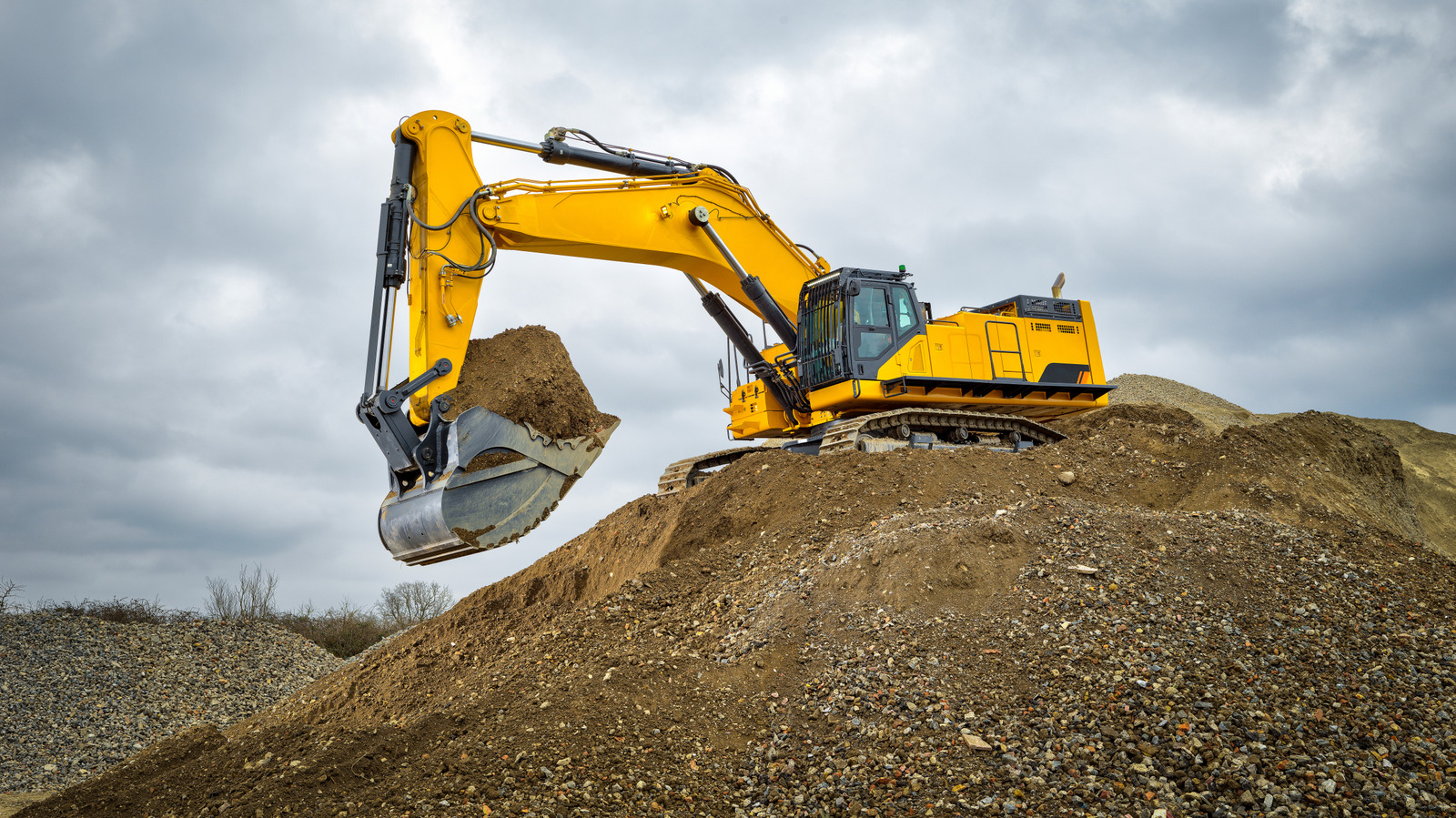
Excavators, such as those produced by Komatsu or Hitachi, are the backbone of global infrastructure development. These machines require hydraulic power that is best delivered by a diesel engine’s ability to maintain high torque at variable loads. According to Komatsu’s environmental reports, the focus for these machines has shifted toward “intelligent” engine management, which optimizes fuel consumption based on the specific hydraulic demand of the task, further extending the utility of the diesel platform.
8. Mobile Crushing and Screening Plants
In quarrying and recycling, mobile crushing plants must operate in locations where there is no access to the electrical grid. These machines utilize diesel power units to drive heavy-duty impact crushers that break down rock or concrete. Because these units are frequently moved between job sites, self-contained diesel power is the only practical solution for maintaining the necessary crushing force for aggregate production.
9. Commercial Fishing Vessels
The commercial fishing fleet relies on rugged, high-hour diesel engines that can survive the corrosive marine environment. Engines from manufacturers like Cummins or Volvo Penta are designed to run for tens of thousands of hours between major overhauls. As reported by the Food and Agriculture Organization (FAO), the reliability of these engines is a matter of safety, as vessel propulsion in unpredictable open-water conditions requires absolute mechanical consistency.
10. Forestry Harvesters
Forestry harvesters are designed to operate in dense, off-road environments where they must fell, delimb, and cut trees to length. These machines require high-pressure hydraulic systems that are powered by diesel engines. Because they operate in remote forests, the ability to refuel via mobile tankers is essential. The John Deere Forestry division notes that these machines are specifically engineered to maintain cooling and performance in high-debris environments, where dust and wood chips would otherwise cause premature failure in less robust engine designs.
The continued reliance on these machines underscores a reality of modern technology: the diesel engine remains the most effective solution for high-load, remote, and heavy-duty tasks. For further updates on industrial engine emissions standards and alternative fuel progress, readers can monitor the latest filings from the U.S. Environmental Protection Agency. Please share your thoughts on the future of heavy-duty propulsion in the comments below.
Keep reading