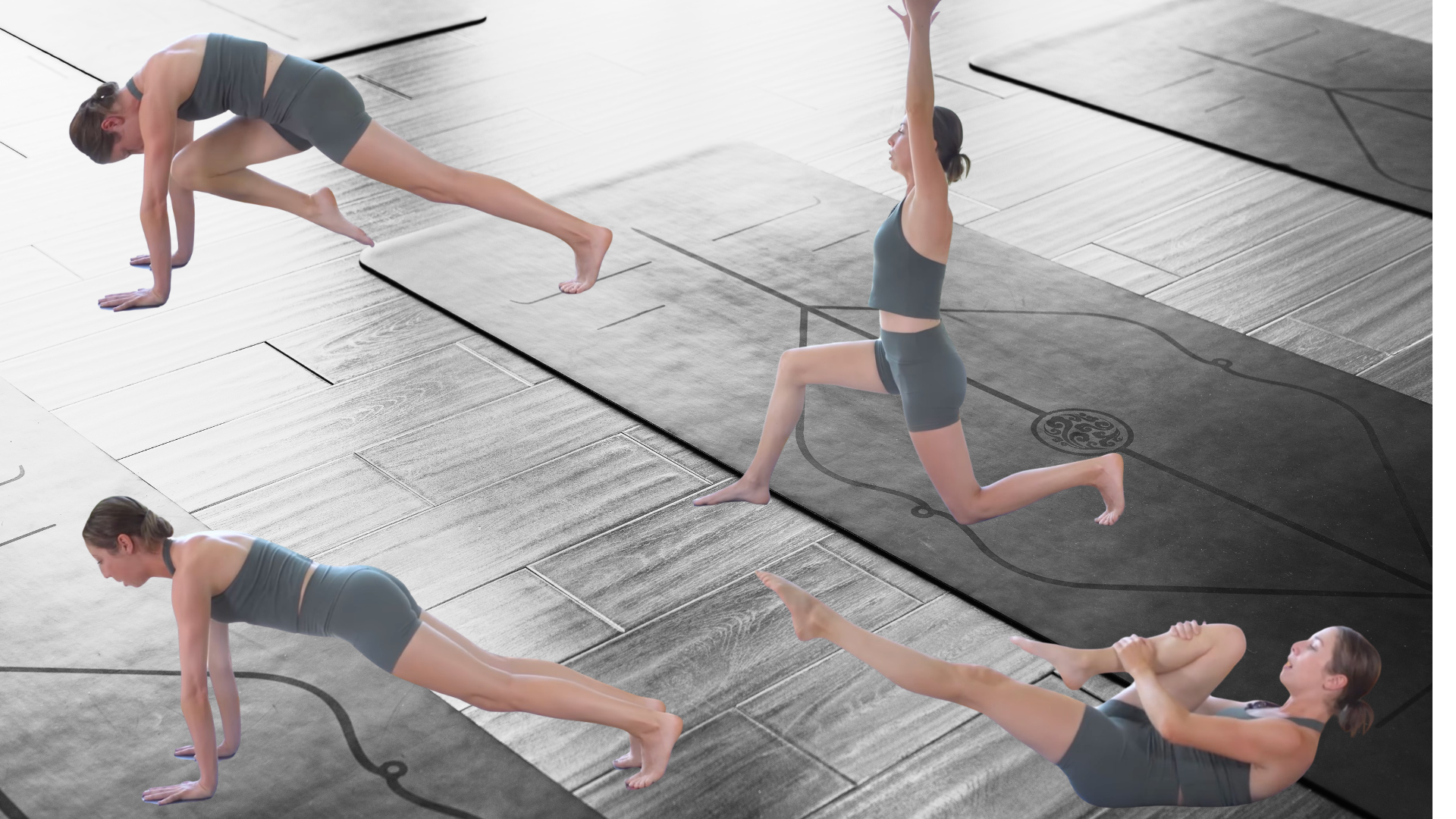
A 10-minute yoga and Pilates routine for core strength provides a low-barrier entry point for improving spinal stability and abdominal muscle tone without requiring prior experience. By combining the flexibility and balance of yoga with the controlled, precision-based movements of Pilates, practitioners can target the transverse abdominis, obliques, and multifidus muscles to reduce lower back pain and improve posture.
Integrating these two disciplines allows for a comprehensive approach to “core” health, which extends beyond the visible six-pack muscles to include the entire midsection and pelvic floor. According to the Mayo Clinic, core exercises help stabilize the spine and pelvis, which can reduce the risk of injury during daily activities and athletic performance Mayo Clinic.
For those new to these practices, the focus remains on breath-to-movement synchronization. Pilates emphasizes “centering” and controlled breathing to engage deep muscle layers, while yoga utilizes isometric holds to build endurance and mental focus. This hybrid approach ensures that the body is both stretched and strengthened in a single short session.
How Does a 10-Minute Core Hybrid Routine Work?
The efficiency of a short routine relies on transitioning quickly between movements that target different planes of motion. A standard beginner-friendly sequence typically begins with a yoga-based warm-up to mobilize the spine, followed by Pilates-inspired abdominal contractions, and ending with a stabilizing hold.

The routine generally follows this progression:
- Cat-Cow Stretch (Yoga): Waking up the spine and coordinating breath with movement.
- Bird-Dog (Yoga/Pilates): Improving balance and engaging the deep stabilizers of the lower back.
- The Hundred (Pilates): A foundational move that activates the core through rapid rhythmic breathing and abdominal tension.
- Plank Variations (Hybrid): Building static strength across the entire midsection.
- Pelvic Tilts or Bridges (Pilates): Targeting the glutes and lower abdominals to support the lumbar spine.
Medical guidance suggests that for those with no experience, the “quality” of the movement is more important than the “quantity” of repetitions. The American Council on Exercise (ACE) notes that improper form during core work can lead to excessive strain on the lower back, making it critical to keep the spine neutral and avoid arching the back during floor exercises American Council on Exercise.
What Are the Primary Benefits of Combining Yoga and Pilates?
While both practices improve core strength, they operate on different physiological principles. Yoga often focuses on flexibility and static holds (isometrics), whereas Pilates focuses on dynamic stability and the “powerhouse”—the area from the bottom of the ribcage to the hips.

Combining them offers several distinct advantages:
- Increased Range of Motion: Yoga prepares the joints and muscles, reducing the likelihood of strain during the more rigorous abdominal contractions found in Pilates.
- Better Postural Alignment: Pilates corrects muscular imbalances, while yoga encourages a balanced distribution of weight and tension across the body.
- Mental Centering: Both practices utilize mindful breathing, which lowers cortisol levels and improves the mind-body connection.
For individuals working in sedentary environments, this combination is particularly effective. Prolonged sitting often leads to “anterior pelvic tilt,” where the pelvis tips forward and the lower back arches excessively. The targeted engagement of the abdominals and glutes in a Pilates-yoga hybrid helps pull the pelvis back into a neutral position.
How to Perform the Routine Safely Without Experience
Beginners should prioritize “bracing” the core, which involves drawing the navel toward the spine without holding the breath. This technique protects the internal organs and ensures the correct muscles are doing the work rather than relying on the hip flexors or neck muscles.
To ensure safety, practitioners should follow these guidelines:
- Use a Mat: A non-slip yoga or Pilates mat provides the necessary cushioning for the spine and prevents slipping during balance moves.
- Listen to Pain Signals: There is a difference between “muscle burn” and “sharp pain.” If a movement causes a pinching sensation in the back or joints, the range of motion should be reduced.
- Focus on the Breath: In Pilates, exhaling during the most difficult part of the movement helps engage the deep transverse abdominis.
The National Academy of Sports Medicine (NASM) emphasizes that core stability is a prerequisite for almost all other physical movements. Establishing a baseline of strength through these low-impact methods allows beginners to progress to more advanced fitness goals with a lower risk of injury NASM.
Frequently Asked Questions About Core Strengthening
Do I need a gym membership to start?
No. This routine requires only a small amount of floor space and a mat, making it accessible at home or in an office setting.

Can I do this every day?
Yes. Because these are low-impact movements, a 10-minute routine can be performed daily. However, if muscles feel excessively sore, a rest day or a gentle stretching-only session is recommended.
Is this effective for weight loss?
While core exercises build lean muscle and improve tone, they are not primarily designed for caloric burn. For weight loss, these should be paired with cardiovascular activity and a balanced diet.
What if I can’t do a full plank?
Beginners can modify planks by dropping their knees to the floor while keeping a straight line from the head to the knees. This reduces the load on the core while still building necessary strength.
The next step for those who master a 10-minute routine is to gradually increase the duration or introduce light resistance, such as a Pilates ring or light weights, to continue challenging the muscle groups. Please share your experience with these routines in the comments below or share this guide with a friend starting their fitness journey.