Summer Pathogens: How Warmth and Moisture Increase Infection Risks
Summer pathogens, including bacteria like Salmonella, viruses such as Norovirus, and insect-borne illnesses like West Nile virus, proliferate more rapidly in warm, moist environments. To reduce the risk of infection, health officials recommend strict adherence to food temperature controls, consistent hand hygiene, and the use of EPA-registered insect repellents.
Rising global temperatures and increased moisture levels during summer months create biological conditions conducive to the rapid multiplication of various microorganisms. According to the Centers for Disease Control and Prevention (CDC), environmental factors such as heat and humidity significantly influence the lifecycle of pathogens and the behavior of disease-carrying vectors like mosquitoes and ticks.
The combination of high ambient temperatures and human activities—such as outdoor dining, swimming, and increased insect exposure—creates multiple pathways for infection. Public health agencies emphasize that understanding the specific characteristics of these summer-related threats is essential for effective prevention.
Which pathogens are most common during the summer months?
Pathogens encountered during summer typically fall into three categories: foodborne, waterborne, and vector-borne. Each group utilizes the seasonal shift in climate to spread more efficiently among human populations.
Foodborne Bacteria and Viruses
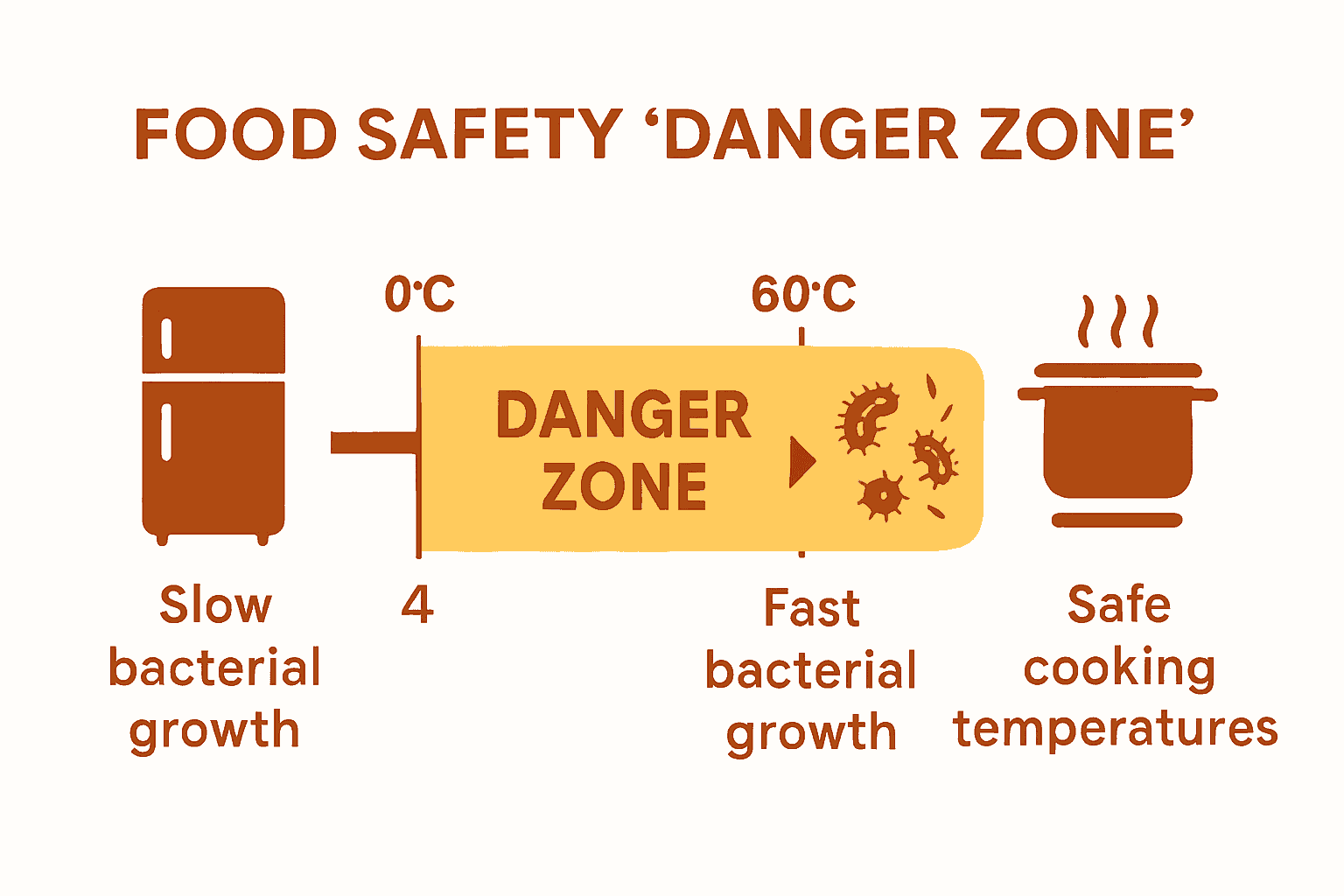
Warm temperatures accelerate the growth of bacteria in food that is left unrefrigerated. The U.S. Food and Drug Administration (FDA) warns that food entering the “Danger Zone”—the temperature range between 40°F and 140°F (4°C and 60°C)—can allow bacteria to multiply to dangerous levels in as little as two hours. Common summer foodborne culprits include:
- Salmonella: Often linked to poultry, eggs, and unpasteurized juices, this bacterium causes gastrointestinal distress and fever.
- Escherichia coli (E. coli): Frequently associated with contaminated produce and undercooked meat, certain strains can lead to severe kidney complications.
- Norovirus: This highly contagious virus often spreads in crowded summer settings, such as camps or cruise ships, through contaminated food or surfaces.
Waterborne Parasites and Bacteria
Summer recreation in lakes, rivers, and swimming pools increases exposure to waterborne pathogens. The CDC reports that parasites such as Giardia and Cryptosporidium are common in untreated outdoor water sources. These organisms are particularly resilient and can survive in various water conditions, leading to significant gastrointestinal illness. Additionally, poorly maintained swimming pools can become breeding grounds for bacteria if chlorine levels are not strictly monitored.
Vector-Borne Illnesses
Increased insect activity is a hallmark of the summer season. Mosquitoes and ticks, which act as vectors for various diseases, are most active when temperatures rise. The World Health Organization (WHO) tracks the global spread of mosquito-borne diseases, noting that warmer climates can expand the geographic range of vectors. Key threats include:
- West Nile Virus: Transmitted to humans through mosquito bites, this virus remains a significant public health concern in many regions during late summer.
- Lyme Disease: Transmitted by deer ticks, this bacterial infection is most prevalent in wooded or grassy areas where humans engage in outdoor activities.
- Zika and Dengue: In specific tropical and subtropical regions, these mosquito-borne viruses see increased transmission during warmer, wetter months.
How do heat and moisture drive infection rates?
The relationship between environmental conditions and pathogen proliferation is rooted in biological necessity. Most bacteria require moisture to facilitate metabolic processes and movement. When high humidity is combined with heat, the rate of cellular division in many bacterial species increases exponentially.
Furthermore, moisture influences the behavior of vectors. For instance, mosquitoes require standing water to complete their life cycles, laying eggs in stagnant pools created by summer rain or irrigation. Increased humidity also prevents the rapid desiccation of certain pathogens, allowing them to remain viable on surfaces or in the air for longer periods.
Human physiological responses to heat also play a role. Increased perspiration can lead to skin irritation, which may create microscopic breaks in the skin barrier, potentially facilitating the entry of certain fungal or bacterial pathogens. This is particularly relevant in environments like public pools or communal showers where moisture is constant.
What are the most effective ways to prevent summer illnesses?
Preventing summer-related infections requires a multi-layered approach focusing on food safety, water hygiene, and personal protection against insects.
Food Safety Protocols
To mitigate the risk of foodborne illness, health experts suggest following the “four pillars” of food safety: clean, separate, cook, and chill.
- Temperature Control: Keep perishable foods refrigerated below 40°F (4°C). When transporting food to outdoor gatherings, use insulated coolers with sufficient ice packs.
- Cross-Contamination Prevention: Use separate cutting boards for raw meats and fresh produce to prevent the transfer of bacteria.
- Thorough Cooking: Use a food thermometer to ensure meats reach the internal temperatures recommended by the FDA to kill harmful pathogens.
Water Safety and Hygiene
When swimming in natural bodies of water, avoid areas with stagnant or murky water, as these are more likely to harbor parasites. If using public pools, ensure the facility adheres to strict chemical maintenance standards. Hand hygiene remains the most effective defense; washing hands with soap and water for at least 20 seconds after using the restroom, changing diapers, or handling food is critical to stopping the spread of viruses like Norovirus.
Insect Protection
To reduce the risk of vector-borne diseases, the CDC recommends using insect repellents that contain active ingredients such as DEET, picaridin, or oil of lemon eucalyptus. Wearing long-sleeved shirts and long pants can provide a physical barrier against ticks and mosquitoes, especially when hiking or spending time in wooded areas.
Pathogen Comparison and Prevention Summary
| Pathogen Category | Primary Examples | Common Transmission Route | Key Prevention Method |
|---|---|---|---|
| Foodborne | Salmonella, E. coli | Contaminated food/unrefrigerated items | Maintain strict temperature controls |
| Waterborne | Giardia, Cryptosporidium | Ingestion of untreated water | Avoid swallowing water while swimming |
| Vector-Borne | West Nile, Lyme Disease | Insect bites (mosquitoes/ticks) | Use EPA-registered repellents |
Frequently Asked Questions
How long can food stay out in the heat before it becomes unsafe?
According to FDA guidelines, perishable food should not be left out at room temperature for more than two hours. If the ambient temperature is above 90°F (32°C), this window reduces to just one hour.
Are public pools generally safe from pathogens?
Public pools are generally safe when they are properly treated with disinfectants like chlorine. However, bacteria and parasites can still be present if chemical levels are not maintained or if swimmers do not practice proper hygiene, such as showering before entering the pool.
What should I do if I suspect I have a foodborne illness?
If you experience severe symptoms such as high fever, bloody stools, frequent vomiting, or signs of dehydration (such as decreased urination or dizziness), you should contact a healthcare professional immediately. Severe dehydration can become a medical emergency.
Public health agencies continue to monitor seasonal disease trends through various surveillance systems. The next major update regarding seasonal infectious disease prevalence is expected in the upcoming quarterly epidemiological reports from regional health departments.
Have you experienced challenges with summer health safety? Share your thoughts or questions in the comments below, and please share this article to help keep your community informed.
- Psilocybin Therapy Shows Significant Benefits for Treatment-Resistant Depression in NHS Trial
- Is Pet Hair Actually an Allergen? Experts Explain the Real Cause of Pet Allergies
- House and Senate Passed Different Bills to Avoid the Same Shutdown (daybreakwire.com)
- Beat the Phoenix Heat: Why San Diego Is the Ultimate Summer Escape (news-usa.today)