Former President Barack Obama has publicly labeled Donald Trump as a “bully” following the resurgence of a 2016 racial slur attributed to the Republican candidate, escalating political tensions just months before the 2024 presidential election. The comment, made during an interview with NPR, comes as Trump faces mounting scrutiny over his handling of a leaked video in which he was heard making derogatory remarks about women and minorities. Legal experts say the controversy could have significant implications for Trump’s campaign and potential legal challenges ahead.
Obama’s intervention underscores the deep political divide ahead of November’s election, where both candidates are seeking to mobilize their respective bases. The former president’s remarks—delivered in response to questions about Trump’s character—come as the Republican has faced growing backlash from within his own party over the leaked audio, which has been widely condemned as inappropriate and out of step with modern political discourse.
Meanwhile, Trump has dismissed the criticism as “fake news,” maintaining that his remarks were taken out of context. Legal analysts suggest the controversy could strengthen Democratic arguments about Trump’s fitness for office, particularly as the Justice Department continues its investigation into his business dealings and potential election interference.
What Did Obama Say About Trump?
During a conversation with NPR’s Morning Edition on June 12, Obama was asked about Trump’s political strategy and character. In response, he stated:
“Look, I think it’s important for us to recognize that Donald Trump is not somebody who’s going to be constrained by norms or by traditional political behavior. He’s somebody who’s always been a bully, and that’s what we’re seeing play out right now.”
Obama’s remarks reflect a broader pattern of criticism from Democrats and even some Republicans who argue that Trump’s rhetoric and behavior have become increasingly divisive. The former president did not elaborate on specific incidents but referenced Trump’s history of controversial statements, including his past use of racial and gendered slurs.
Trump’s campaign has not yet responded directly to Obama’s comments, but his legal team has continued to frame the leaked audio as a politically motivated attack. A spokesperson for the Trump campaign told Reuters that the former president “has always spoken his mind” and that the controversy was “just another example of the media’s obsession with him.”
Why This Controversy Matters in the 2024 Election
The resurfacing of Trump’s remarks comes at a critical juncture in the election cycle, with both major-party conventions scheduled for July. Polls suggest that character and trustworthiness have become key issues for voters, particularly among independent and suburban swing voters who have historically been hesitant to support either major-party candidate.
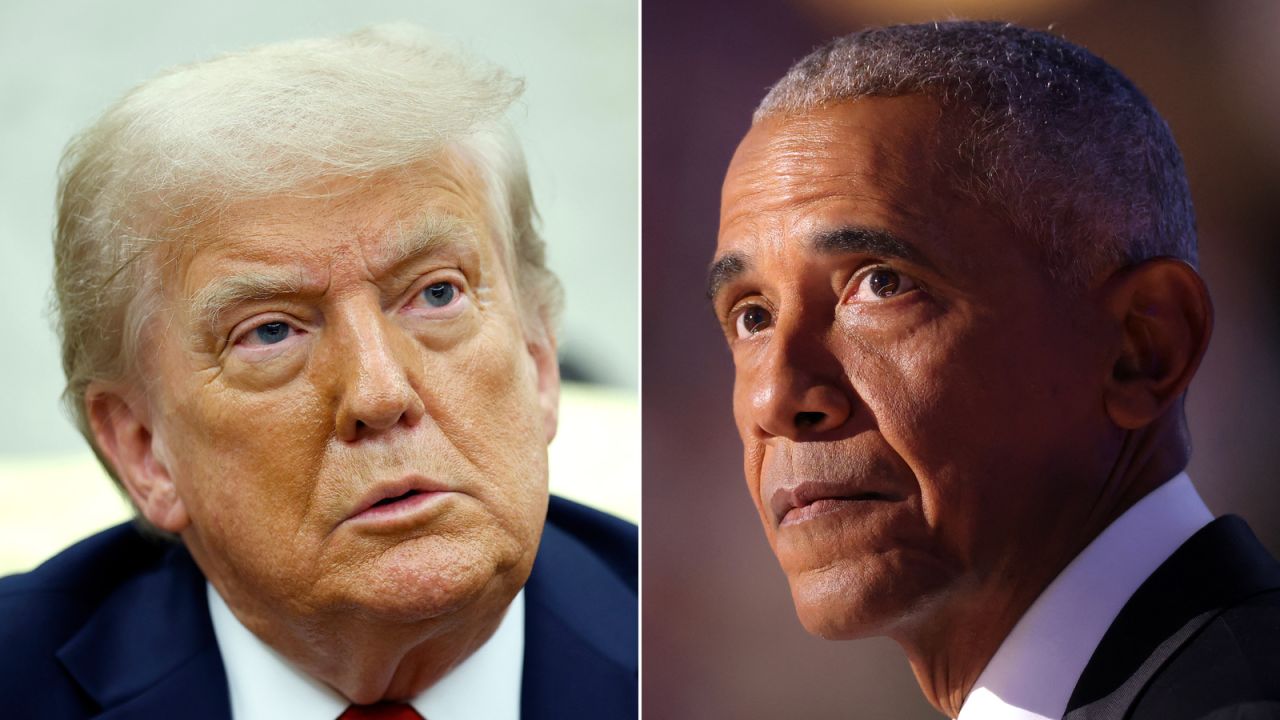
Legal experts, including Brookings Institution analyst Norm Ornstein, argue that the controversy could have long-term consequences for Trump’s campaign. “This isn’t just about one moment,” Ornstein told Politico. “It’s about a pattern of behavior that voters are increasingly unwilling to ignore. For Trump, the challenge will be whether he can pivot from defense to offense before the conventions.”
Meanwhile, Democratic strategists are already framing the controversy as evidence of Trump’s unfitness for office. In a memo obtained by The Guardian, a senior Democratic aide stated that the party would “lean heavily into this narrative” in its advertising, arguing that Trump’s remarks “reveal a man who cannot be trusted with the presidency.”
Legal and Political Fallout: What Happens Next?
The controversy has also raised questions about potential legal repercussions for Trump. While the leaked audio does not appear to violate any criminal laws, legal scholars say it could be used in civil lawsuits or further investigations by state attorneys general probing Trump’s business dealings.
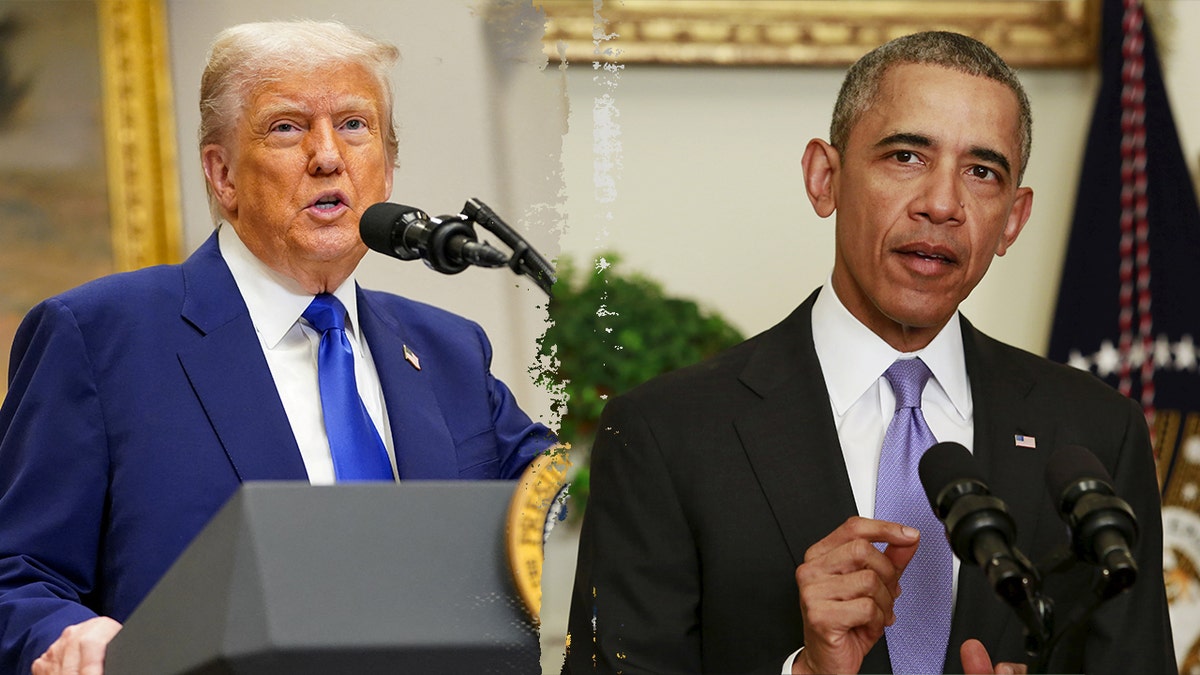
In New York, for example, Manhattan District Attorney Alvin Bragg has already secured a conviction against Trump in a hush-money case, and prosecutors have indicated that they are reviewing additional evidence related to his conduct. A source familiar with the investigation told The New York Times that while the audio alone would not be sufficient for new charges, it could be used to bolster existing cases.
At the federal level, Special Counsel Jack Smith is overseeing investigations into potential election interference and classified documents. While there is no direct link between the leaked audio and Smith’s cases, legal experts say the controversy could influence how juries perceive Trump’s credibility in any future trials.
The next major checkpoint in this unfolding story will be the Republican National Convention, scheduled for July 15–18 in Milwaukee. Trump’s campaign is expected to release a new ad campaign in the coming weeks, and analysts say his ability to shift the narrative away from the controversy will be critical to his re-election prospects.
How Voters Are Reacting: Polls and Public Opinion
Recent polling suggests that the controversy has had a measurable impact on voter sentiment. According to a Pew Research Center survey conducted June 10–16, 2024:
- 58% of registered voters say Trump’s remarks make them less likely to support him.
- 42% of voters say the controversy has not changed their views.
- 63% of independent voters view the remarks as inappropriate, compared to 32% who see them as acceptable.
The data highlights a significant divide between Trump’s base—where support remains strong—and swing voters who are more likely to be influenced by perceptions of his character. Democratic strategists are already positioning the controversy as a wedge issue, particularly in key battleground states like Pennsylvania, Michigan, and Wisconsin.
Obama’s Broader Role in the 2024 Election
Obama’s public criticism of Trump is not his first intervention in the 2024 race. The former president has been increasingly vocal about the stakes of the election, framing it as a choice between democracy and authoritarianism. In a speech at the Democratic National Committee’s winter meeting in February, Obama warned that Trump’s presidency would “erode the institutions that hold our democracy together.”

His latest remarks suggest he sees Trump’s behavior as part of a broader pattern that threatens the stability of American politics. “The question is whether the American people are going to tolerate a leader who treats the truth as optional and who sees political opponents not as adversaries but as enemies,” Obama said during the NPR interview.
Trump, for his part, has a history of responding to Obama’s comments with sharp counterattacks. In 2016, he famously dismissed Obama as a “terrible leader” and accused him of “weakness” on foreign policy. Analysts say Trump is unlikely to deviate from that playbook this cycle, particularly as he seeks to rally his base ahead of the conventions.
Key Takeaways: What This Means for the Election
As the political fallout from Obama’s remarks and the Trump controversy continues to unfold, several key dynamics are emerging:
- Character over policy: The debate has shifted from policy disagreements to fundamental questions about Trump’s fitness for office, a trend that could dominate the final months of the campaign.
- Legal risks: While no new charges are imminent, the controversy could strengthen cases already under investigation by state and federal prosecutors.
- Voter polarization: Trump’s base remains solidly behind him, but the controversy has opened a rift among moderates and independents who may prove decisive in November.
- Democratic messaging: The party is likely to use the controversy in advertising, framing Trump as a threat to democratic norms.
- Convention strategy: Trump’s team will need to pivot from defense to offense, likely by shifting focus to economic issues and foreign policy in the coming weeks.
Where to Find Updates on This Story
For the latest developments on the 2024 election, legal proceedings against Donald Trump, and political reactions from both parties, follow these official sources:
- Federal Election Commission (FEC) filings for campaign finance updates.
- U.S. Department of Justice for legal developments.
- C-SPAN for live coverage of political events and debates.
- Pew Research Center for real-time polling data.
- CNN’s 2024 Election Hub for comprehensive coverage.
The next major milestone in this story will be the Republican National Convention, beginning July 15 in Milwaukee. Trump’s campaign is expected to unveil a new strategy to counter the recent controversies, while Democratic operatives will likely use the convention to reinforce their messaging on Trump’s character and legal challenges.
What do you think about Obama’s intervention in the 2024 race? Share your thoughts in the comments below or on our contact page. For more in-depth analysis on the election, subscribe to our newsletter or follow us on X for breaking updates.
Keep reading