
South American labor markets are undergoing a significant transformation as businesses across the region prioritize the integration of artificial intelligence, leading to an increased demand for specialized technical talent. According to recent data from LinkedIn’s Future of Work report, countries including Brazil, Chile, and Colombia are seeing the highest growth in job postings related to AI skills, reflecting a broader regional shift toward digital infrastructure investment. This transition is reshaping professional requirements, with employers now seeking a blend of high-level technical expertise and soft skills that facilitate human-AI collaboration.
The rise in demand for AI-literate professionals is not uniform across the continent, but it follows a clear trend where nations with established tech hubs lead the recruitment surge. As of 2024, the World Economic Forum reports that while the adoption of automation presents challenges for traditional roles, it simultaneously creates a robust pipeline for positions centered on data analysis, machine learning engineering, and prompt engineering. These roles are essential for companies aiming to remain competitive in an increasingly globalized digital economy.
The Evolution of In-Demand Professional Profiles
The professional profile most sought after by South American firms today is no longer limited to traditional software development. Employers are increasingly looking for professionals who possess a deep understanding of large language models (LLMs) and the ability to apply these tools to solve industry-specific problems. A report by the Inter-American Development Bank (IDB) indicates that the demand for “AI-augmented” workers—individuals who can leverage AI tools to increase their productivity in fields like finance, marketing, and logistics—is outpacing the demand for pure AI researchers. This shift underscores the importance of continuous learning and upskilling for the existing workforce to remain relevant in the evolving job market.

Beyond technical proficiency, the current market places a premium on cognitive flexibility and ethical judgment. Organizations are prioritizing candidates who can navigate the complexities of AI governance and data privacy, reflecting a growing awareness of the regulatory environment. As highlighted by the OECD in their latest employment outlook, the ability of workers to adapt to these new technological frameworks is a critical determinant of future economic productivity across Latin America.
Regional Leaders in AI Talent Acquisition
Brazil continues to hold the largest share of the regional market for AI-related roles, driven by its expansive tech ecosystem and significant venture capital influx. Recent analysis from the International Labour Organization (ILO) suggests that Brazil’s investment in digital transformation projects has created a localized “talent magnet” effect, drawing in skilled professionals from neighboring countries. This concentration of talent is supported by educational initiatives that bridge the gap between academic research and private sector needs.

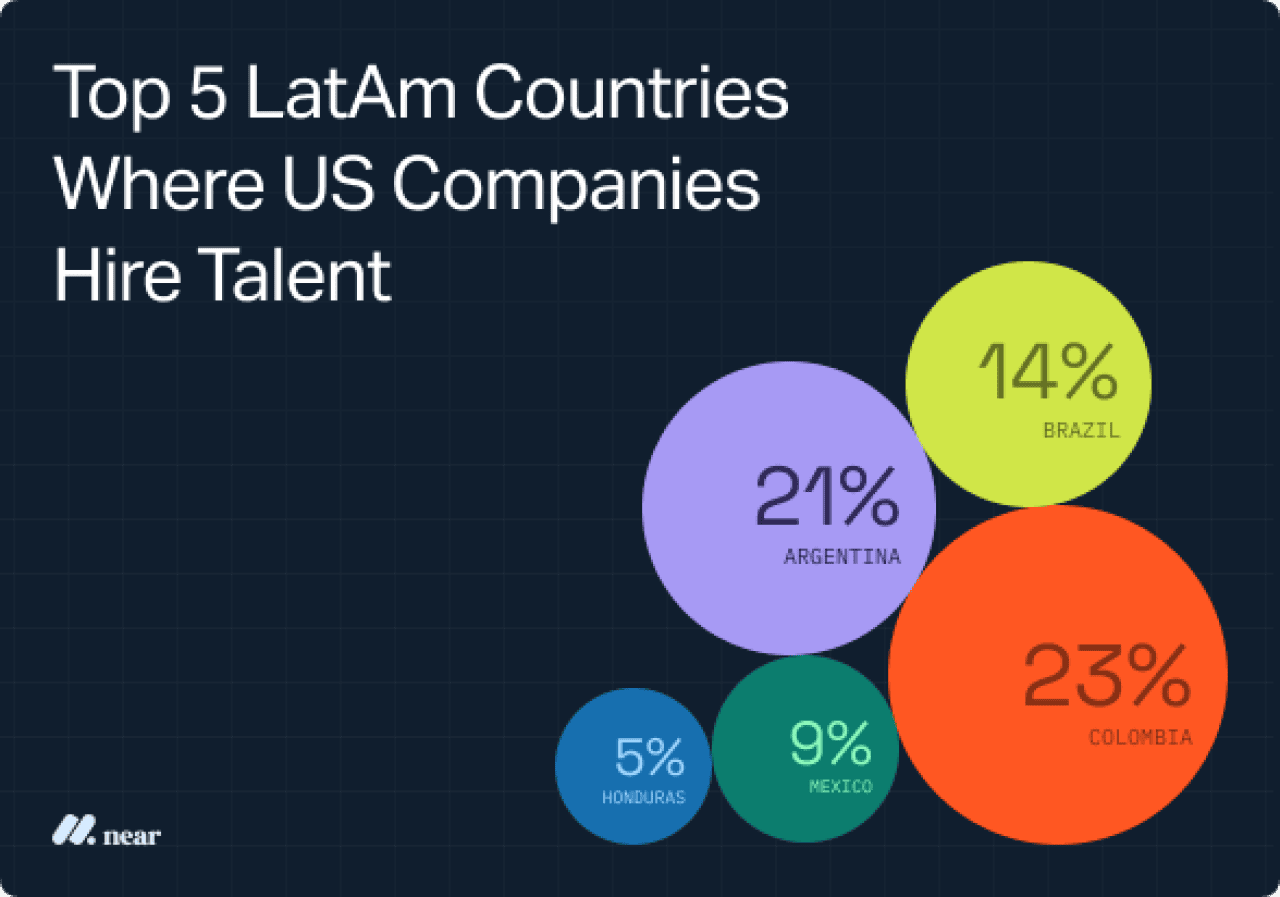
Chile and Colombia follow closely behind, with both nations implementing national AI strategies designed to incentivize private sector hiring. In Chile, government-backed programs have focused on strengthening digital literacy, which has directly contributed to a measurable increase in the recruitment of data scientists and AI architects over the past 24 months. Meanwhile, Colombia’s burgeoning status as a regional outsourcing hub for North American companies has accelerated the adoption of AI tools, creating a highly competitive environment for local talent proficient in both Spanish and English.
Bridging the Digital Skills Gap
Despite the growth in hiring, a significant gap remains between the supply of skilled workers and the demand from employers. The World Bank notes that addressing this disparity requires a collaborative effort between the public sector, private industry, and academic institutions to standardize AI-related certifications. Without a unified approach to vocational training, many companies face prolonged vacancy periods for critical technical roles, which can stifle innovation and limit the potential benefits of AI adoption.
For job seekers, the path forward involves focusing on “hybrid” skill sets. The most successful candidates are those who combine domain expertise—such as accounting, healthcare, or retail management—with the technical capability to manage AI-driven workflows. This multidisciplinary approach is increasingly cited by human resources consultants as the most effective strategy for professionals looking to secure high-growth positions in the current economic climate.
Market Outlook and Future Developments
The trajectory of the South American labor market will likely remain tied to global advancements in AI regulation and investment. The next major checkpoint for regional labor policy will be the upcoming regional summit on digital transformation, where leaders are expected to discuss the harmonization of labor standards for remote and AI-enabled workforces. These discussions are anticipated to provide a clearer framework for businesses operating across borders, potentially standardizing the requirements for AI-related roles by the end of 2025.
As these sectors continue to evolve, staying informed through official government labor bulletins and verified industry reports remains essential for both employers and job seekers. We invite our readers to share their perspectives on how AI is impacting their specific industries in the comments section below, as we continue to track these developments across the region.
Related reading