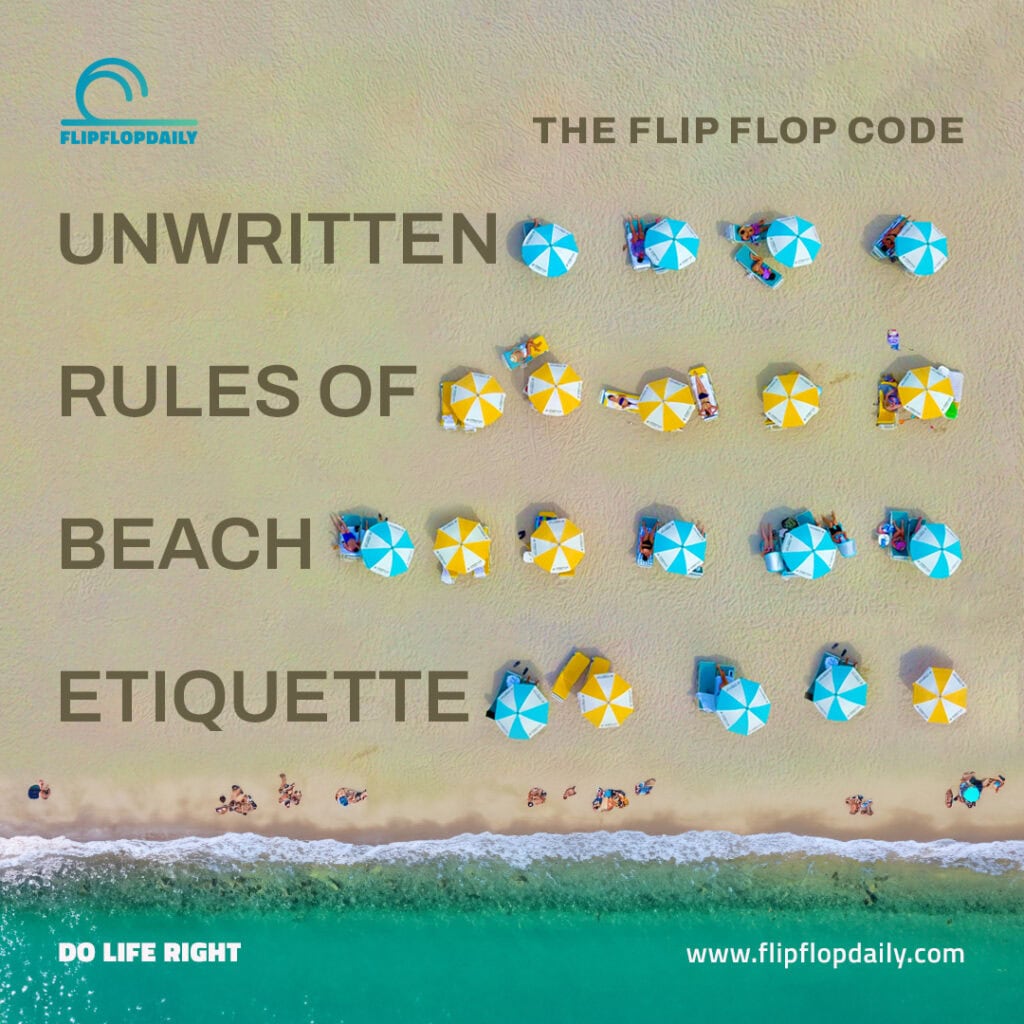
Beach etiquette has become a subject of renewed public discussion as social media influencers and coastal enthusiasts outline the “unwritten rules” governing shared public spaces. Rianne, a 30-year-old content creator, recently detailed a set of social guidelines intended to improve the experience for beachgoers during the peak summer season. These recommendations, which focus on spatial awareness, noise control, and environmental responsibility, reflect broader concerns regarding overcrowding and public conduct at popular seaside destinations.
The guidelines, categorized as common-sense practices, address the increasing tension between privacy and public access. As tourism numbers fluctuate, local authorities and coastal management organizations often remind visitors of existing formal regulations, such as those concerning littering and protected wildlife zones, which remain distinct from these social norms. According to data from the European Environment Agency, maintaining the quality of coastal environments requires both adherence to official waste management policies and the voluntary cooperation of the public in keeping beaches clean.
Defining the Unwritten Rules of Beach Conduct
The core of the discussion centers on minimizing the impact of one visitor on another. The proposed guidelines emphasize that the beach is a communal area, necessitating a level of consideration that goes beyond strictly legal requirements. Key points raised in recent public discourse include the importance of maintaining adequate distance between groups, managing the volume of personal music players, and ensuring that sand disturbed by umbrellas or towels is leveled before departure.

Environmental stewardship is frequently cited as the most critical “unwritten” rule. This involves the removal of all personal refuse, including cigarette butts and food packaging, which poses significant risks to marine ecosystems. The United Nations Environment Programme (UNEP) notes that coastal pollution is a persistent global challenge, with plastic debris representing the majority of waste found on shorelines. While social etiquette encourages individual responsibility, the enforcement of waste disposal remains a primary function of municipal coastal services.
Managing Personal Space in High-Traffic Areas
During the summer months, the density of beachgoers often leads to friction regarding the placement of equipment. The consensus among regular beach users is that “claiming” excessive space with windbreaks or oversized tents is considered poor form when the beach is crowded. This practice, often referred to as “territorialism,” can limit access for others and disrupt the flow of pedestrian traffic along the shoreline.

Beyond spatial management, the etiquette of the “sand zone” extends to physical interaction. Avoiding the practice of shaking towels near other visitors is a frequently mentioned rule. Sand displacement is a common cause of minor disputes, particularly when families with young children are positioned in close proximity to others. These social friction points underscore the necessity of situational awareness, particularly in high-demand tourist areas where the World Health Organization (WHO) also advises that sun safety and hydration remain the primary health concerns for visitors.
The Broader Context of Coastal Management
The focus on unwritten rules serves as a supplement to formal beach management strategies. In many jurisdictions, local councils implement specific bylaws to maintain order, including designated zones for water sports, pet restrictions, and prohibitions on glass containers. Understanding the distinction between a suggestion of etiquette and a legal mandate is essential for visitors, as violations of formal rules can result in administrative fines.
The rise of social media reporting on these topics has highlighted a shift in how public spaces are used. By promoting a culture of mutual respect, advocates suggest that the overall quality of the beach experience can be improved without the need for additional surveillance or restrictive legislation. This voluntary approach is seen as a way to balance individual leisure with the collective need for a clean and accessible environment.

Future updates regarding coastal access and municipal regulations for the upcoming season are typically published by local tourism boards and environmental agencies. Visitors are encouraged to check official municipal websites or beach information kiosks for the most current rules regarding safety flags, lifeguard hours, and waste disposal protocols. Engaging in community dialogue regarding these practices can help foster a more considerate environment for all who utilize public coastal resources.
Have you observed specific challenges with beach etiquette in your local area? Share your thoughts in the comments section below.