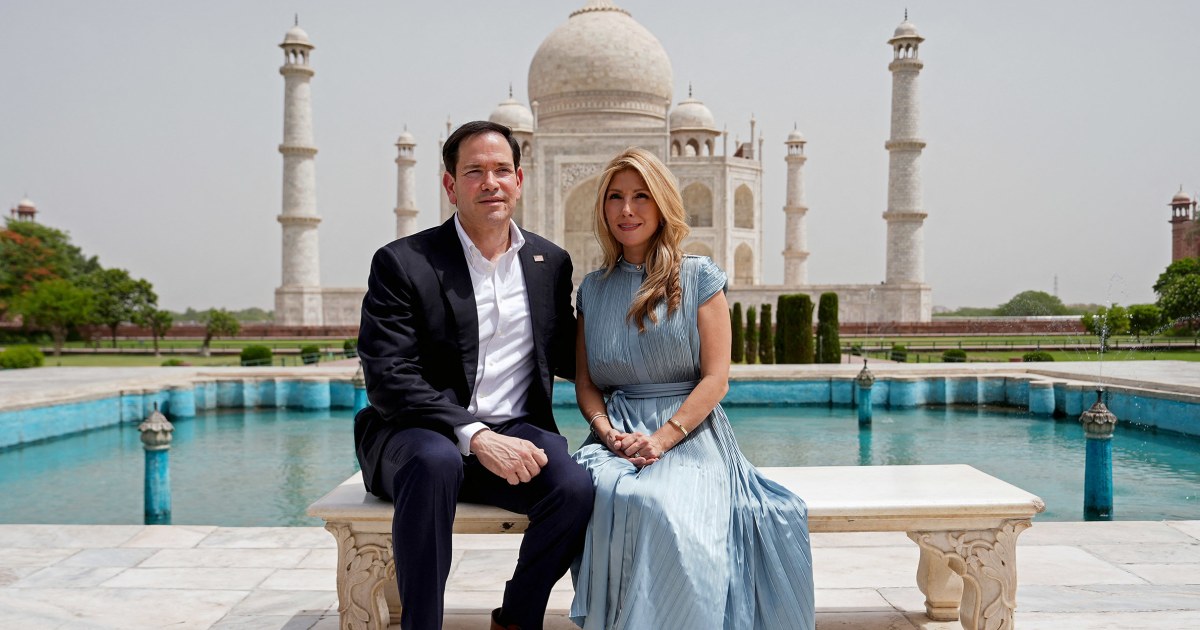
As the international community monitors shifting diplomatic landscapes, U.S. Secretary of State Marco Rubio’s recent travel schedule has placed him in the midst of one of the world’s most challenging environmental conditions. During a high-profile visit to India this week, the top American diplomat found himself navigating not only complex geopolitical discussions but also the intense, sweltering reality of a New Delhi summer, where temperatures have routinely climbed beyond the 100-degree Fahrenheit mark.
Despite his background as a representative from Florida—a state frequently associated with humidity and heat—Rubio’s experience in the Indian capital served as a stark reminder of the unique intensity of North Indian weather patterns. The visit, which underscored the strengthening ties between Washington and New Delhi, was punctuated by the Secretary’s light-hearted acknowledgement of the climate, a moment that resonated with observers tracking the high-stakes tour.
Diplomacy Amidst Extreme Climate Challenges
The diplomatic calendar often requires officials to operate in environments far removed from their home jurisdictions. For Secretary Rubio, the transition from the coastal climate of the United States to the arid, scorching heat of the Indian subcontinent highlights the physical demands placed on international envoys. According to data provided by the Government of India’s official portal, the summer months in the National Capital Territory frequently require citizens and visitors alike to adopt rigorous heat-mitigation strategies as temperatures impact public infrastructure and daily operations.
The Secretary’s visit comes at a time when both nations are focused on expanding cooperation across technology, defense, and climate resilience. While the heat provided a point of personal connection, the substance of the meetings remained centered on long-term strategic objectives. Officials from the U.S. Department of State have noted that consistent engagement at the cabinet level is essential to maintaining the momentum of the U.S.-India Comprehensive Global and Strategic Partnership, as outlined in recent official State Department briefings.
Understanding the Regional Heat Context
New Delhi’s climate is characterized by significant seasonal variance. The pre-monsoon period, typically spanning from April through June, often sees heatwaves that test the endurance of the city’s vast population. Meteorologists often point to the combination of high solar radiation and the city’s landlocked geography as primary contributors to these extreme conditions. For international dignitaries, these visits are carefully managed by security and logistical teams to ensure the safety of the delegation while maintaining a full schedule of bilateral talks.

The Secretary’s ability to maintain a professional focus while navigating such conditions is a standard expectation in high-level diplomacy. However, the public nature of his remarks regarding the heat served as a humanizing element in an otherwise formal itinerary. It’s a reminder that even at the highest levels of government, the fundamental realities of geography and climate remain inescapable factors in the conduct of international relations.
Strategic Implications of the India Visit
The dialogue between the United States and India continues to evolve, with a focus on shared democratic values and economic growth. As both nations look toward the next round of ministerial-level dialogues, the focus will remain on implementing the agreements reached during this week’s visit. The importance of these discussions is reflected in the frequent, high-level travel between Washington and New Delhi, which serves to solidify the administrative and political alignment of the two largest democracies in the world.
As the diplomatic mission concludes, the focus shifts to the follow-up actions required by the various working groups established by the two governments. The U.S. Department of State provides ongoing updates regarding these bilateral initiatives through its official press office, which remains the primary source for details on upcoming summits and policy adjustments. For those following these developments, the official U.S. Embassy in India website offers the most accurate timeline for future intergovernmental meetings and public policy announcements.
Looking Ahead
The next major checkpoint for this diplomatic trajectory involves the scheduled review of the bilateral technology and defense roadmaps, expected to be addressed in the coming months. Observers of global affairs should monitor official releases for confirmation of the dates and venues for these subsequent discussions. We encourage our readers to share their perspectives on the evolving U.S.-India relationship in the comments section below, as we continue to track the impact of these high-level engagements on global policy.

Keep reading