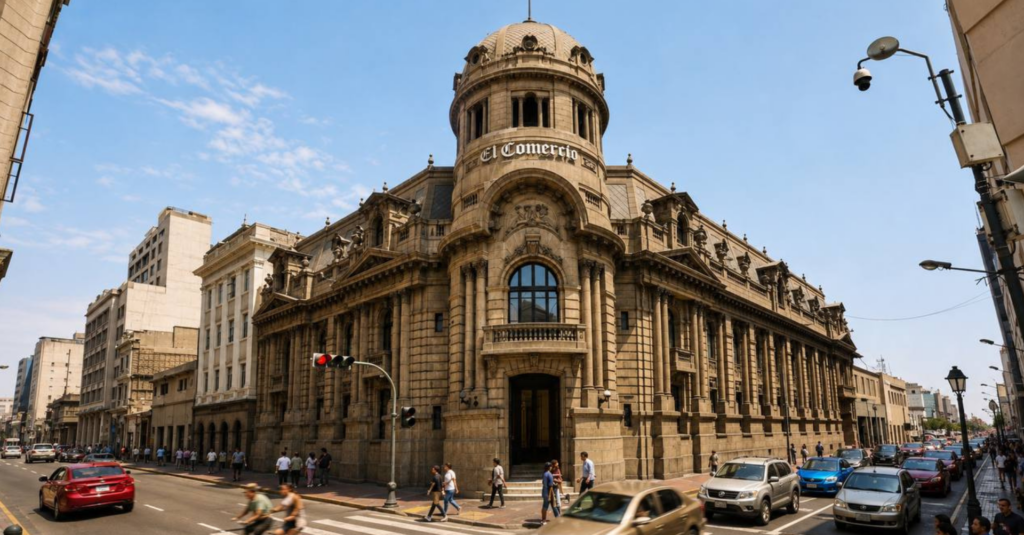
Lima, Peru — May 26, 2026 — One of Latin America’s most influential media conglomerates is undergoing a seismic transformation as a preliminary agreement signals the transfer of control over Grupo El Comercio, Peru’s largest media holding. The deal, which involves the sale of controlling shares in the country’s most powerful press and broadcasting empire, could reshape Peru’s information ecosystem and set a precedent for corporate consolidation in the region.
According to verified industry reports, a majority shareholder group has reached a non-binding agreement to sell the controlling stake in Grupo El Comercio, which owns Peru’s flagship newspaper El Comercio, influential television networks América TV and Canal N, and a suite of digital platforms. While the final terms remain under wraps, early indications suggest the transaction could value the conglomerate at up to $500 million, positioning it as one of the most significant media acquisitions in Peru’s history.
The deal’s announcement comes amid growing scrutiny of Peru’s media sector, where financial pressures, labor disputes, and regulatory challenges have tested the viability of traditional media models. With negotiations reportedly advanced and a potential closing date targeted for October 2026, stakeholders across Peru’s political and economic spectrum are closely watching the implications for press freedom, corporate governance, and the future of Peru’s fourth estate.
Key Takeaways: What This Deal Means for Peru
- Strategic Asset Shift: The sale includes El Comercio (Peru’s most-read newspaper), América TV (a top-rated broadcast network), and Canal N (a leading news channel), along with digital properties.
- New Ownership: Two prominent figures, Francisco Picasso (linked to Grupo Picasso and Medifarma) and Hernán Garrido-Lecca (CEO of Altavoz and former Peruvian minister), are identified as lead buyers in preliminary reports.
- Financial Pressures: Grupo El Comercio has faced S/77.5 million in losses (approximately $20 million) and over 100 labor disputes, raising questions about the conglomerate’s financial health.
- Regulatory Scrutiny: The deal may trigger antitrust reviews given the concentration of media power in Peru.
- Industry Ripple Effects: Competitors like La República and RPP could face shifting dynamics in advertising and audience reach.
The Buyers: Who’s Taking Over Peru’s Media Giant?
While the exact identity of the purchasers remains unconfirmed by official sources, Semana Económica—a leading Peruvian business publication—reported that two key figures are central to the negotiations:
- Francisco Picasso, a businessman with ties to Grupo Picasso (a diversified conglomerate with interests in pharmaceuticals and retail) and Medifarma (a major drug distributor in Peru). Picasso’s entry into media aligns with a broader trend of industrialists diversifying into content and advertising-driven sectors.
- Hernán Garrido-Lecca, currently the CEO of Altavoz (a digital media and consulting firm) and a former Peruvian minister under President Francisco Sagasti. Garrido-Lecca’s political background adds a layer of complexity to the deal, given Grupo El Comercio’s historical influence in shaping public discourse.
Industry analysts suggest the buyers may seek to modernize the conglomerate’s digital infrastructure, address labor disputes, and explore synergies with their existing portfolios. However, Garrido-Lecca’s political past has sparked debates about potential conflicts of interest, particularly as Peru navigates a contentious electoral cycle in 2026.
What’s Included in the Sale: The Full Scope of Grupo El Comercio
The transaction encompasses not just El Comercio’s iconic newspaper brand but also a suite of assets that dominate Peru’s media landscape:
- Print: El Comercio (circulation: ~120,000 daily), along with regional editions and specialized publications like Gestión (Peru’s leading business daily).
- Broadcast: América TV (reaching ~60% of Peru’s households) and Canal N (a 24-hour news channel).
- Digital: elcomercio.pe, one of Peru’s top news websites, along with data analytics and advertising platforms.
- Real Estate: Two high-value properties in Lima, including the historic El Comercio headquarters.
Financial disclosures from Grupo El Comercio reveal the conglomerate’s S/557.5 million (approximately $145 million) in investments, though its S/77.5 million (approximately $20 million) in losses in recent quarters have raised questions about its valuation. The sale may also include over 100 pending labor disputes, adding operational complexity to the transition.
Why This Deal Matters: Press Freedom and Corporate Power in Peru
Peru’s media sector has long been a battleground between commercial interests and journalistic integrity. Grupo El Comercio’s sale raises critical questions:
- Press Freedom Concerns: Critics argue that consolidating media power under new ownership—particularly with figures like Garrido-Lecca—could lead to editorial influence concerns. Peru’s Instituto Prensa y Sociedad (IPYS) has previously flagged Grupo El Comercio for political bias in coverage of past governments.
- Regulatory Hurdles: Peru’s Autoridad Nacional de Competencia y Protección al Consumidor (INDCOPE) may scrutinize the deal to ensure it doesn’t create an unfair monopoly in news and advertising.
- Labor Uncertainty: The conglomerate employs thousands across its divisions. Reports of over 100 labor disputes suggest potential workforce reductions or restructuring.
- Digital Transformation: The buyers may prioritize AI-driven content and data monetization, shifting El Comercio’s traditional model toward subscription and advertising tech.
For context, Peru’s media sector has seen a 25% decline in print advertising revenue over the past five years, accelerating the push for consolidation. The sale of Grupo El Comercio could accelerate this trend, with competitors like RPP and La República facing pressure to merge or seek foreign investment.
What Happens Next: The Road to October 2026
The preliminary agreement must now navigate several critical phases:
- Due Diligence (June–August 2026): Buyers will assess financial records, labor contracts, and regulatory risks. Grupo El Comercio’s disclosure of S/77.5 million in losses may complicate negotiations.
- Regulatory Approval (August–September 2026): INDCOPE and Peru’s Superintendencia Nacional de Aduanas y de Administración Tributaria (SUNAT) will review the deal for antitrust compliance and tax implications.
- Shareholder Approval (September 2026): A majority of Grupo El Comercio’s shareholders must ratify the sale, a process that could face legal challenges.
- Closing (October 2026): If all hurdles are cleared, the transfer of control is expected by late 2026.
Industry observers warn that delays are likely, given the complexity of labor contracts and the need to align the new owners’ strategic visions with Grupo El Comercio’s legacy brands. Meanwhile, Peru’s Consejo de la Prensa Peruana has called for transparency in the process, urging the new owners to commit to editorial independence.
FAQ: Your Questions About the Grupo El Comercio Sale
1. Who are the confirmed buyers?
As of May 26, 2026, no official confirmation exists. Reports from Semana Económica name Francisco Picasso and Hernán Garrido-Lecca as lead buyers, but the deal remains preliminary.
2. How much is Grupo El Comercio worth?
Early valuations suggest the controlling stake could be priced at $500 million, though final terms depend on due diligence. The conglomerate’s S/557.5 million in investments and S/77.5 million in losses will factor into negotiations.
3. Will this affect Peru’s elections?
Yes. Grupo El Comercio’s influence in shaping public opinion—particularly through América TV and El Comercio—could shift under new ownership. Analysts warn of potential editorial bias risks, especially with Garrido-Lecca’s political background.
4. What happens to employees?
Over 100 labor disputes are pending, suggesting potential layoffs or restructuring. The new owners will need to address collective bargaining agreements and pension obligations.
5. Can the deal be blocked?
Peru’s INDCOPE could intervene if the sale violates antitrust laws. Critics may also challenge the process on press freedom grounds.
This deal marks a turning point for Peru’s media industry. As negotiations progress, World Today Journal will provide live updates on regulatory reviews, labor developments, and the final valuation. What do you think this sale means for Peru’s future? Share your thoughts in the comments below.
For official updates, monitor:
- INDCOPE (Peru’s antitrust authority)
- Grupo El Comercio’s official channels
- Semana Económica (business news)
Keep reading