Ancient Rock Art Discovered in Egypt‘s Sinai Desert Reveals Millennia of Human History
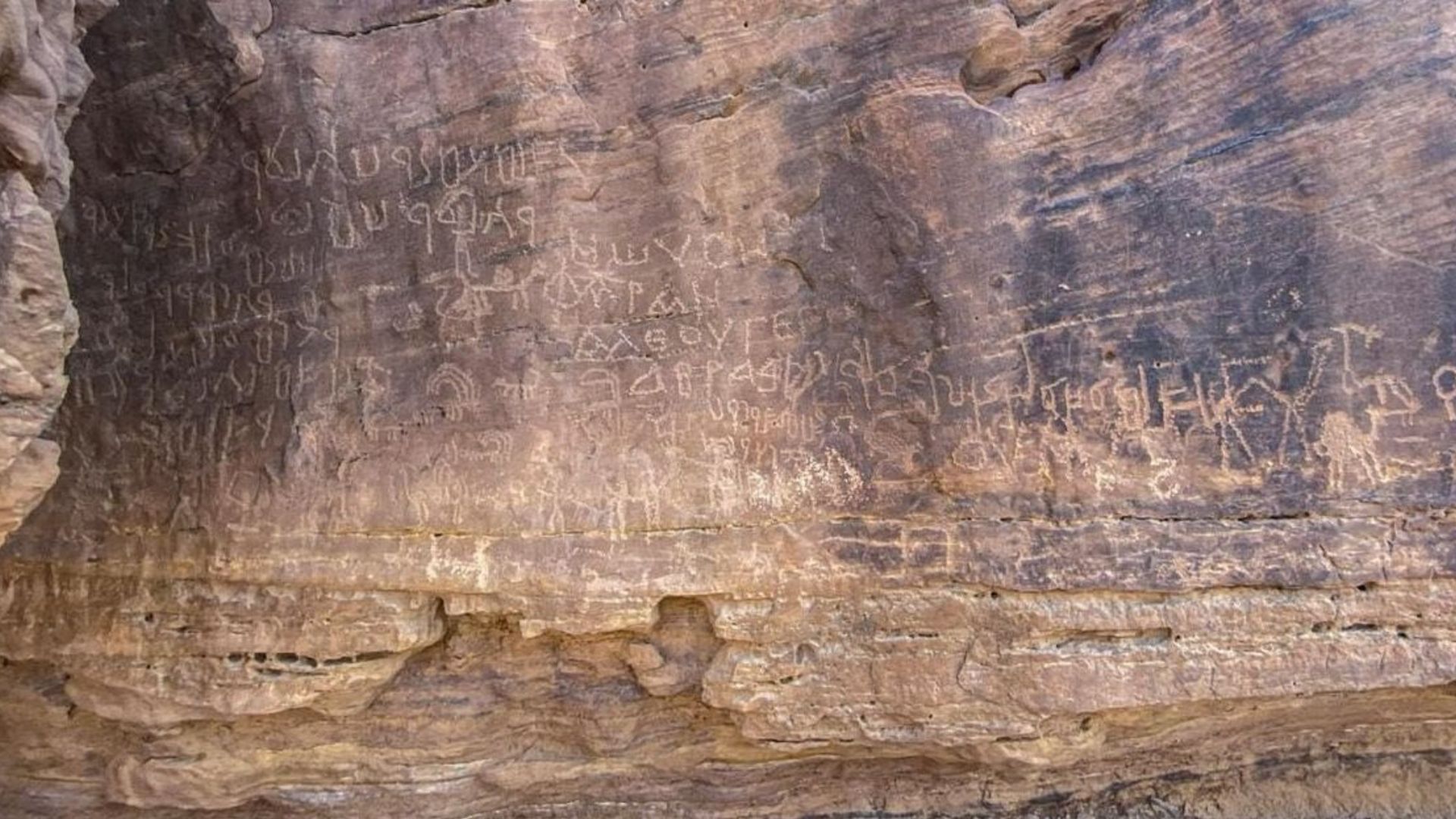
A newly discovered rock shelter in the southern Sinai Desert is yielding remarkable insights into human activity spanning 10,000 years,from the neolithic period to the medieval era. The Egyptian Ministry of Tourism adn Antiquities announced the find, which includes intricate designs and inscriptions, offering a unique window into the lives of those who inhabited this region.
A Window into the Past
Located on the umm Arak Plateau, the rock shelter was identified during an archaeological survey. Local resident Sheikh Rabie Barakat assisted the team in locating the site. The shelter itself measures approximately 330 feet (100 meters) long, 10 feet (3 meters) deep, and reaches a height of 5 feet (1.5 meters). the artwork within provides a continuous record of human presence and expression over millennia.
Dating the Art and its Significance
The oldest rock art, identified by stylistic analysis, dates back to between 10,000 and 5,500 B.C.These early depictions include scenes of hunting, with images of a hunter accompanied by at least two dogs. Later periods are represented by artwork depicting people on horseback, weaponry, and geometric patterns composed of Xs, squares, ovals, and crescents. the art demonstrates a continuous use of the shelter for artistic expression long after the establishment of the pharaonic period in Egypt around 3100 B.C. Source.
A Multifunctional Site
Archaeologists believe the rock shelter served multiple purposes throughout history.Its proximity to ancient copper and turquoise mines suggests it was used as a lookout point and a gathering place for those working in the region. According to Yale University Egyptology professor John Darnell,who has conducted extensive research in the Sinai but was not directly involved in this finding,the Sinai Peninsula held significant importance for ancient Egyptians as a source of valuable minerals and was symbolically linked to the goddess Hathor. Source
Nabataean Influence and Ongoing Research
The artwork also includes inscriptions and imagery associated with the Nabataeans, a civilization that flourished between roughly 400 B.C. and A.D. 200, known for building the city of Petra in Jordan. Source. Darnell notes that the images released so far appear to date from the late antique to medieval periods (roughly A.D. 500 to 1500). The archaeological team is currently analyzing the designs to gain a deeper understanding of their meaning and cultural context.
Key Takeaways
- The rock shelter provides a continuous record of human activity in the sinai Desert spanning 10,000 years.
- The artwork depicts scenes of daily life, hunting, and religious or symbolic imagery.
- The site’s location near ancient mines suggests it was a strategically vital location for resource extraction and trade.
- The discovery highlights the rich cultural heritage of the Sinai Peninsula and the interactions between different civilizations throughout history.
This discovery promises to substantially enhance our understanding of the ancient history of the Sinai Peninsula and the people who once called it home. Further research and analysis of the rock art are expected to reveal even more about the lives,beliefs,and interactions of these early communities.
Keep reading