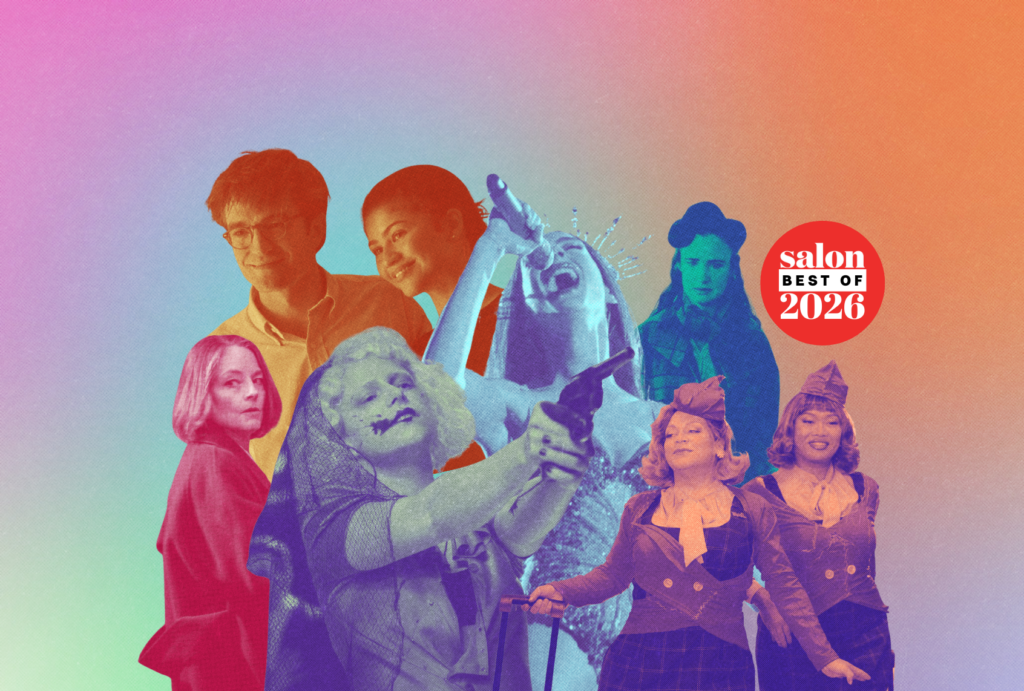
The first half of 2026 has marked a distinct departure from the franchise-heavy dominance typically seen at the global box office, as audiences increasingly gravitate toward high-concept, original cinema. While major studio sequels have maintained their presence, independent and visionary projects have carved out significant cultural space, challenging the industry’s reliance on established intellectual property. This shift toward “big-swing” filmmaking—projects defined by risky scripts, distinct visual signatures, and unconventional narratives—has provided a reprieve for moviegoers seeking innovation over repetition.
According to recent market analysis from industry trackers like Box Office Mojo, the early-summer release calendar saw a surge in interest for original titles, with films like Obsession and Backrooms capturing significant audience attention despite lower marketing budgets compared to traditional summer blockbusters. This trend suggests that theater chains and production houses are finding success by diversifying their slates, banking on the creative reputation of directors rather than just brand recognition. For the weary viewer, the first six months of 2026 have offered a diverse array of films that prioritize atmosphere and narrative ambition, effectively proving that original storytelling remains a viable commercial and critical force.
The Evolution of the Modern Murder Mystery
Rebecca Zlotowski’s A Private Life has emerged as a standout in the psychological thriller genre, primarily noted for its sophisticated approach to the murder mystery format. Featuring Jodie Foster in her first entirely French-language role, the film explores the internal landscape of a renowned psychotherapist, Lillian Steiner, whose life is upended following the unexpected death of a patient. The film’s success relies on a deliberate, methodical pace that mirrors the investigative nature of its protagonist.

Industry critics have compared the film’s structural tension to the works of Brian De Palma and Alfred Hitchcock, specifically highlighting the hypnotic sequences that serve as the narrative’s emotional anchor. By focusing on the intersection of trauma and memory, Zlotowski avoids the tropes of the standard “whodunnit,” instead offering a meditation on the universal language of grief and regret. The film’s reception, as documented by major trade publications including Variety, underscores a growing appetite for character-driven suspense that demands active engagement from the audience.
Small-Scale Narratives and High-Stakes Emotion
Not all of the year’s most impactful films have required massive production budgets. Elliot Tuttle’s Blue Film serves as a prime example of how economical storytelling can yield profound emotional results. The film, a two-hander centered on an interaction between a cam boy and his client, utilizes a confined setting to dissect themes of ego, fragility, and the performance of identity. By maintaining a narrow focus, the film creates an intimacy that is rarely achieved in larger, more spectacle-driven productions.

The project’s confidence in its own premise has been widely cited by reviewers as a highlight of the year’s independent circuit. Similarly, Amanda Kramer’s By Design has garnered attention for its surreal, high-concept premise—a woman who swaps bodies with an inanimate chair. While the logline is intentionally provocative, critics note that the film functions as a serious commentary on modern apathy and the human desire to disconnect from the world’s complexities. These films demonstrate that the most effective “big swings” often come from directors willing to challenge the boundaries of conventional narrative structure.
Reimagining Established Classics
The landscape of 2026 has also seen a reinvigorated interest in reimagining classic literature and horror tropes through a contemporary lens. Maggie Gyllenhaal’s The Bride!, a bold riff on Mary Shelley’s Frankenstein, has been lauded for its distinct feminine perspective on themes of marginalization and othering. Despite its status as a big-budget studio production, the film embraces a kitschy, high-energy aesthetic that defies the somber tone typically associated with the genre.
Emerald Fennell’s adaptation of Wuthering Heights similarly challenges audience expectations of what a period drama should look like. By prioritizing fervent fantasy and hyper-stylized visuals over traditional realism, Fennell has created a work that resonates with the emotional intensity of the original source material. According to reports from the British Film Institute, these adaptations represent a broader movement among contemporary directors to reclaim literary classics for a modern, global audience, emphasizing thematic resonance over historical accuracy.
The Role of Outsider Perspectives in American Cinema
Several of the year’s most acclaimed films benefit from the outsider’s gaze, offering fresh takes on American social and political issues. Kristoffer Borgli’s The Drama, featuring performances by Zendaya and Robert Pattinson, utilizes a shocking narrative twist to spark conversation about the nature of public perception and celebrity. Borgli, a Norwegian writer-director, has been praised for his ability to blend dark humor with thorny subject matter, resulting in a film that feels both distinctly American and refreshingly singular.

This perspective is echoed in the work of Boots Riley, whose film I Love Boosters combines vibrant, practical visual effects with sharp social commentary on workers’ rights and labor value. By utilizing stop-motion and miniatures, Riley creates a visual experience that stands in stark contrast to the digital-heavy aesthetic of modern blockbusters. As highlighted by film festival databases, these directors are successfully navigating the balance between artistic experimentation and mass-market appeal, proving that audiences are increasingly receptive to stories that challenge the status quo.
Looking Ahead: The Future of Original Cinema
As the film industry moves into the second half of the year, the success of these experimental projects provides a roadmap for future production strategies. The emphasis on “big-swing” cinema—films that prioritize vision, tone, and narrative ambition—has proven that viewers are eager for content that breaks the cycle of repetitive intellectual property. While the commercial performance of these 11 films varies, their collective impact on the cultural conversation is significant.
The next major checkpoint for the industry will be the upcoming autumn film festivals, where several long-awaited original projects are scheduled to debut. These screenings will likely determine whether the current appetite for bold, innovative storytelling will sustain itself through the end of the year. For now, the first half of 2026 stands as a testament to the enduring power of the director-led film. We encourage readers to join the conversation below and share which of these “big-swing” films resonated most with your own viewing experience this year.