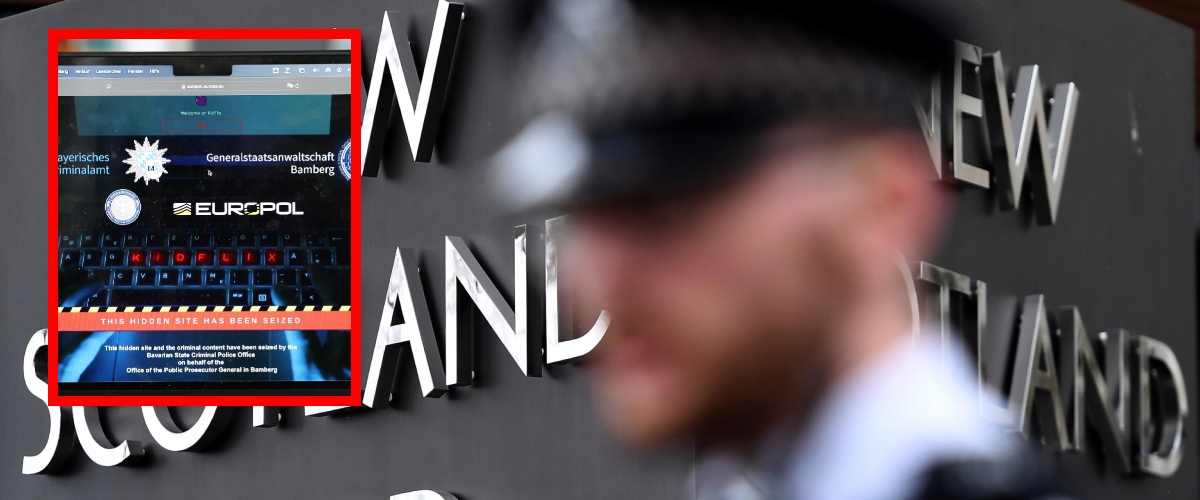
Europol coordinated a massive law enforcement operation that resulted in the arrest of 57 individuals across Europe and South America for their alleged involvement in an international network of rapists. According to Europol, the operation identified hundreds of victims as part of a coordinated effort to dismantle a sophisticated criminal ring specializing in sexual violence.
The crackdown targeted a network that operated across multiple borders, leveraging international travel and digital communication to facilitate attacks. Law enforcement agencies in several European countries and South American nations executed simultaneous raids to apprehend suspects and secure evidence. Officials state the network’s scale indicates a high level of organization and coordination among the perpetrators.
This operation marks one of the largest targeted strikes against a specific network of sexual offenders in recent years. The arrests follow an extensive intelligence-gathering phase where Europol provided critical analytical support to national police forces to map the connections between the suspects and their victims.
How did the international network operate?
The criminal organization functioned by identifying and targeting vulnerable individuals across different continents. According to investigative reports from the coordinating agencies, the suspects used a combination of social engineering and travel logistics to move between Europe and South America, allowing them to commit crimes and evade local jurisdictions.
Investigators found that the group shared information and “best practices” regarding the selection of victims and the evasion of law enforcement. This digital exchange of information allowed the network to operate with a degree of anonymity that complicated initial efforts to track the suspects. The use of encrypted messaging apps was a primary tool for the network to synchronize their activities and share data on potential targets.
The scale of the operation is underscored by the number of victims identified. While the exact total continues to rise as more evidence is processed, Europol confirmed that hundreds of individuals have been identified as victims of this specific network. The diversity of the victim pool reflects the wide geographic reach of the perpetrators.
Which regions were affected by the arrests?
The 57 arrests were distributed across several jurisdictions, primarily focusing on European Union member states and South American countries. The coordination was managed through Europol’s Operational Centre, which served as the hub for real-time information exchange between the different national police forces involved.
In Europe, the operation saw significant activity in countries where the suspects had established temporary residences or used as transit points. In South America, the raids targeted the origins of several key members of the ring. This transatlantic approach was necessary because the suspects frequently crossed oceans to avoid detection by any single national authority.
The involvement of South American authorities was critical in tracing the movement of suspects who had fled Europe after committing previous offenses. By linking DNA evidence and digital footprints across borders, investigators were able to connect disparate crimes to a single organized entity.
What is the legal process for the 57 suspects?
The suspects now face a complex array of charges that vary by jurisdiction. Because the crimes occurred in multiple countries, many of the 57 individuals are subject to European Arrest Warrants (EAWs) or international extradition requests. Prosecutors are working to consolidate evidence to ensure that suspects are charged not only for individual attacks but for their membership in a criminal organization.

Legal experts note that the “organized crime” element of the charges is significant. By proving the existence of a network, prosecutors can often seek harsher penalties than those associated with isolated incidents of sexual assault. The evidence gathered during the raids—including laptops, smartphones, and travel documents—is currently being analyzed to link specific suspects to the hundreds of identified victims.
Victims are being encouraged to come forward through secure channels established by the participating national police forces. Europol has emphasized that the identification of victims is an ongoing process and that the final number of casualties is expected to increase as the digital evidence is fully decrypted and analyzed.
Why does this operation matter for global security?
The dismantling of this network highlights a growing trend of “transnational predatory crime,” where offenders use the ease of modern travel and communication to operate globally. This case serves as a precedent for how Europol and non-EU partners can synchronize efforts to tackle crimes that do not fit within a single national border.
The operation demonstrates the efficacy of the “intelligence-led policing” model. Rather than reacting to individual reports, law enforcement spent months mapping the network’s structure before launching the simultaneous arrests. This prevented the suspects from alerting one another and destroying evidence, which is a common failure in smaller-scale international busts.
Furthermore, the operation sheds light on the vulnerability of individuals who may be targeted by predators who possess the means to travel internationally. It underscores the necessity for shared databases of sex offenders that are accessible across different continents to prevent predators from simply moving to a new country to restart their activities.
For those seeking more information or wishing to report related crimes, official guidance can be found through the INTERPOL website or the national police portals of the affected European and South American countries.
The next phase of the legal process involves the formal extradition hearings for suspects held in foreign jurisdictions, with court dates expected to be set in the coming months. This will determine where the primary trials will take place and how the victims will be integrated into the judicial process.
Share this report to raise awareness about transnational crime and leave your thoughts in the comments section below.