
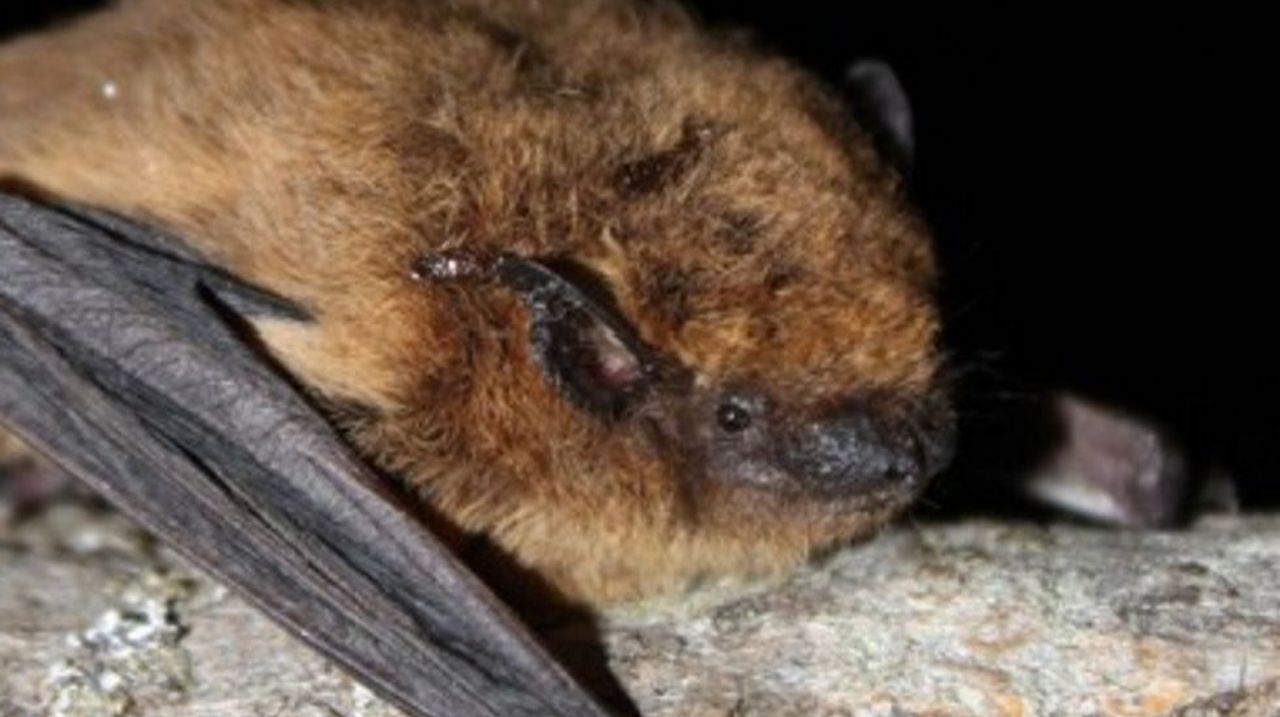
An 11-year-old boy in Ontario, Canada, has died from rabies after coming into contact with a bat inside his home. Public health officials confirmed the child passed away in September 2024, marking a rare and tragic instance of a rabies transmission occurring within a domestic setting. The case has prompted urgent health advisories regarding the risks associated with bat encounters and the necessity of immediate medical intervention following potential exposure.
According to the Public Health Ontario, the child was sleeping when he awoke to find a bat in his room. While the initial contact was not perceived as a bite or a scratch, the incident led to a fatal infection. Rabies is a viral disease that affects the central nervous system, and it is almost invariably fatal once clinical symptoms appear. Because bats have very small, sharp teeth, contact with them can result in wounds that are difficult to detect, making preventative post-exposure prophylaxis (PEP) critical.
Understanding Rabies Transmission from Bats
Rabies is transmitted through the saliva of an infected animal, typically via a bite or a scratch. In the case of bats, the risk is unique because their teeth are so small that a person might not realize they have been bitten. Health authorities emphasize that any direct contact with a bat—or waking up in a room where a bat is present—should be treated as a potential exposure. The Public Health Agency of Canada advises that in such instances, the animal should be safely captured if possible for testing, and the individual should immediately seek medical attention to assess the need for the rabies vaccine.
The virus travels through the nervous system to the brain. The incubation period can vary significantly, ranging from weeks to months, depending on the proximity of the bite to the brain and the amount of virus introduced. Once the virus reaches the brain and symptoms begin, the disease is considered untreatable. Early administration of the rabies vaccine and immunoglobulin is highly effective at preventing the onset of the disease if provided shortly after exposure.
Public Health Guidance and Prevention
Following this incident, local health units have reinforced the importance of bat-proofing homes. Bats are the primary carriers of rabies in Ontario, though the prevalence of the virus in the overall bat population remains low, estimated at less than one percent. However, because the outcome of an infection is so severe, health officials maintain a zero-tolerance policy for potential contact.
The Ontario Ministry of Health provides clear guidelines for residents who encounter bats. If a bat is found in a living area, it is recommended that individuals:
- Avoid direct contact with the animal.
- Keep the room closed off to prevent the bat from escaping until it can be safely removed by a professional.
- Contact local public health authorities immediately to report the encounter and determine if the bat needs to be tested for rabies.
The Importance of Post-Exposure Prophylaxis
Post-exposure prophylaxis (PEP) consists of a series of vaccinations that trigger an immune response before the virus can reach the nervous system. As noted by the Centers for Disease Control and Prevention, which collaborates with international health partners on rabies surveillance, PEP is extremely successful when administered promptly. In situations where an individual wakes up to find a bat in the room, healthcare providers are trained to err on the side of caution, as the child’s inability to report a bite is a known complication in pediatric rabies cases.
Medical professionals are continuing to monitor the situation and use this case to educate the public on the necessity of recognizing the subtle signs of bat contact. While fatal cases of rabies in Canada are extremely rare, the disease remains a significant public health concern. Residents are encouraged to check with their local municipal health websites for the most recent updates on wildlife rabies surveillance and to ensure that pets are kept up to date on their rabies vaccinations, as domestic animals can act as a bridge for the virus between wildlife and humans.
For those interested in further information on how to protect their households or what to do if they find an injured or grounded bat, official resources are available through provincial health portals. If you have questions about this case or concerns regarding personal exposure, please consult your primary care physician or your local public health office. We invite our readers to share this information to help raise awareness about the importance of immediate medical evaluation following wildlife contact.