
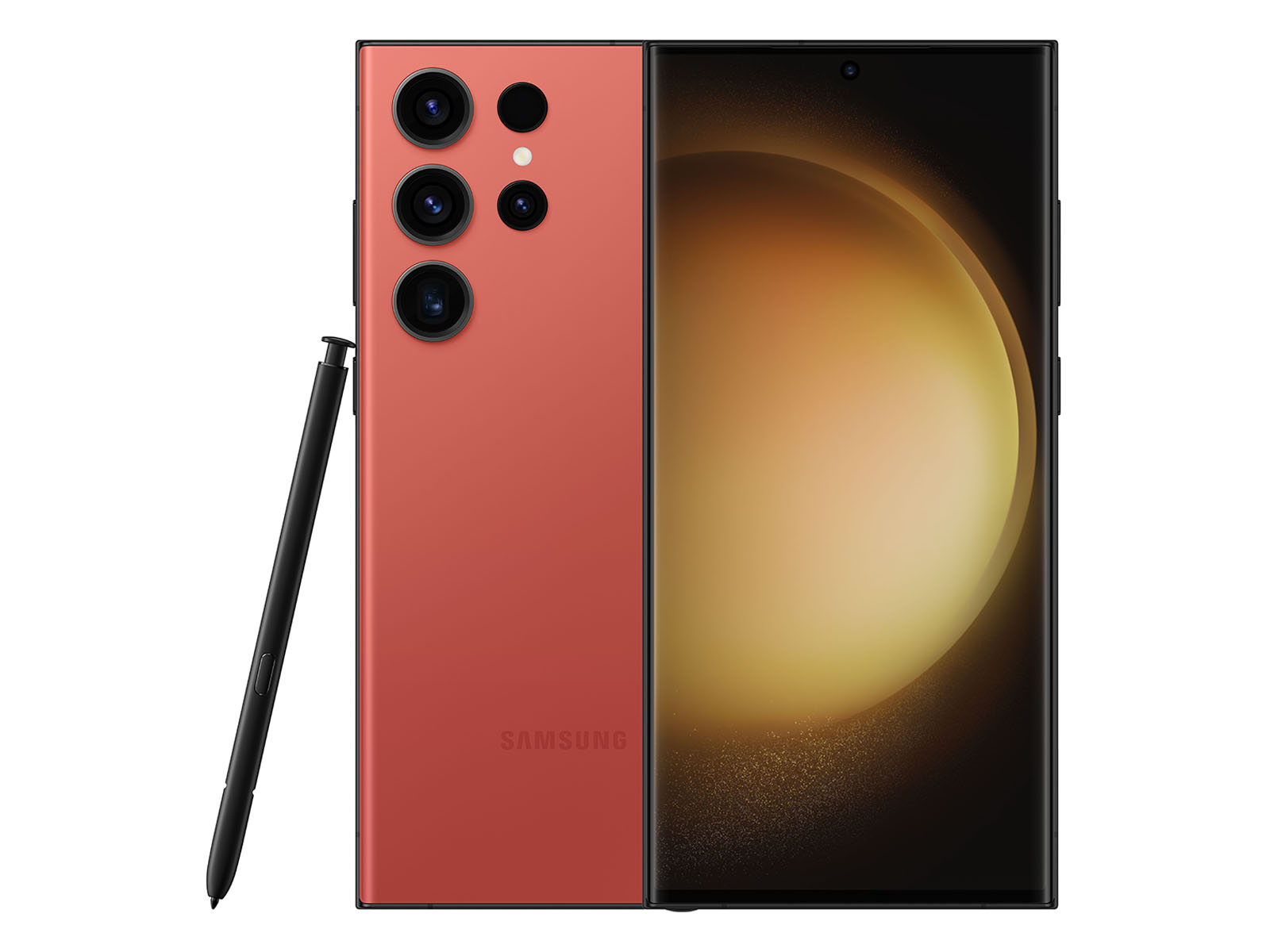
Samsung is moving toward a more squared-off design for its upcoming foldable device, widely referred to in industry reports as the Galaxy Z Fold 8 “Wide” or “Slim.” Recent supply chain leaks and emerging technical specifications indicate the manufacturer is shifting away from the narrower aspect ratio that has defined the Fold series since its inception, opting instead for a form factor that aligns more closely with traditional smartphone dimensions.
This design shift represents a strategic pivot for Samsung, which has historically prioritized a tall, slim profile for its foldable handsets. According to reports from technical analysts and supply chain observers, the new “Wide” variant is intended to improve the usability of the outer screen, addressing long-standing user feedback regarding the narrow keyboard and cramped typing experience on previous generations. While Samsung has yet to release an official press statement confirming the final product name or global release schedule, documentation from regional regulatory bodies regarding new display components supports the transition to a wider, more passport-like chassis.
Shifting the Foldable Paradigm
The transition to a wider design is widely viewed as a response to increased competition in the foldable market. Manufacturers such as Honor and Google have already pushed the boundaries of foldable aspect ratios, offering devices that feel more like conventional smartphones when folded. By adopting a wider footprint, Samsung is positioning the Galaxy Z Fold 8 to compete directly with devices like the rumored iPhone Ultra or the latest iterations of the Pixel Fold, which prioritize a more natural grip and screen interaction.
Industry data indicates that the primary challenge for foldable manufacturers remains the outer display experience. A wider aspect ratio allows for a standard keyboard layout, reducing the learning curve for users migrating from traditional slab-style phones. This change is not merely aesthetic; it requires a complete re-engineering of the hinge mechanism and internal battery placement to maintain the device’s structural integrity while thinning the profile. Sources tracking the manufacturing process suggest that the “Wide” model may feature a redesigned titanium frame to compensate for the increased surface area without adding significant weight.
Technical Specifications and Market Positioning
While definitive hardware specifications remain subject to change, current leaks focus on the screen dimensions and the internal chipset. The device is expected to utilize the latest Snapdragon 8 series architecture, optimized specifically for the thermal demands of a larger, thinner chassis. According to reports from Samsung’s official mobile portal, the company continues to invest heavily in UTG (Ultra Thin Glass) technology to ensure that larger displays remain durable under repetitive folding cycles.

The following table outlines the reported differences between the traditional Fold series and the anticipated Wide model:
| Feature | Standard Fold (e.g., Fold 6) | Reported Fold 8 “Wide” |
|---|---|---|
| Aspect Ratio | Tall and Narrow | Wider, Passport-style |
| Chassis Material | Armor Aluminum / Titanium | Enhanced Titanium Alloy |
| Target Market | Power Users / Multitaskers | Mainstream Smartphone Users |
What This Means for the Future of Foldables
The move toward a wider foldable format suggests that Samsung is aiming to transition its foldable technology from a niche enthusiast product to a mainstream standard. By normalizing the dimensions of the device, the company effectively removes one of the most significant barriers to adoption for the general public. Historically, the narrow screen was a point of contention for reviewers and consumers alike; by aligning the Fold series with the ergonomics of a standard smartphone, Samsung may be preparing for a significant expansion of its market share in the premium segment.
Furthermore, the integration of a wider display has implications for software developers. The shift requires applications to be optimized for a broader range of resolutions, potentially accelerating the adoption of adaptive UI components across the Android ecosystem. This is a critical development for the long-term viability of the foldable form factor, as consistency across devices is necessary to drive sustained consumer interest.
Next Steps and Official Updates
Samsung typically follows an annual release cycle for its Galaxy Z series, with major product announcements generally occurring in the summer months. Interested parties should monitor the Samsung Newsroom for official invitations to the next Galaxy Unpacked event, where the final specifications and regional availability for the new foldable lineup will be confirmed. As of now, the company has not provided a specific launch date or pricing for the rumored “Wide” model, and consumers are advised to rely on official channels for verified information regarding pre-order dates and hardware details.

Readers are encouraged to share their thoughts on the shift toward wider display formats in the comments section below. Does a wider, more traditional aspect ratio make you more likely to consider a foldable device, or do you prefer the portability of the current slim design?