
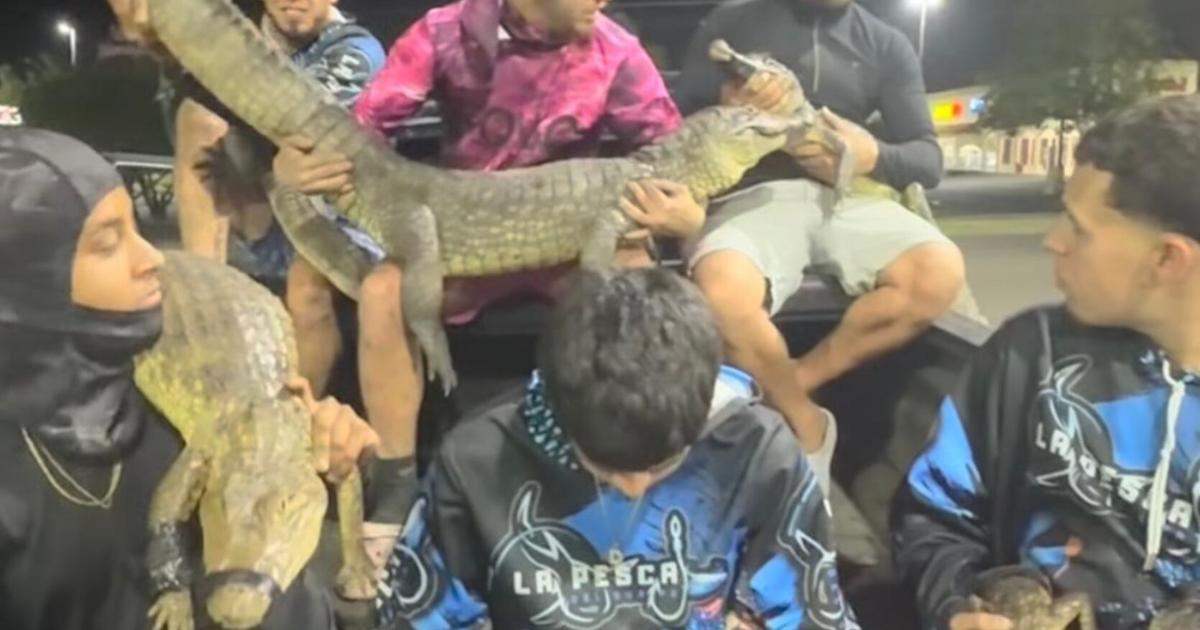
The management of invasive species in Puerto Rico remains a complex challenge for local environmental authorities, as recent reports highlight the persistent presence of spectacled caimans in the island’s freshwater ecosystems. These reptiles, while not native to the archipelago, have established breeding populations in various wetlands and reservoirs, prompting ongoing efforts by both professional trappers and government agencies to mitigate their impact on local biodiversity.
The recent capture of 12 caimans during a single nocturnal operation has drawn attention to the efficacy of specialized trapping methods. Such operations are often carried out in areas where these apex predators pose risks to native species, including endemic birds and fish, as well as potential hazards to agricultural activities and public water infrastructure. The spectacled caiman (*Caiman crocodilus*) is recognized by the U.S. Fish and Wildlife Service as an invasive species in regions outside its natural range, capable of adapting to diverse aquatic environments.
The Challenge of Invasive Caimans in Puerto Rico
The presence of caimans in Puerto Rico is largely attributed to the former pet trade, where individuals were imported and subsequently released into the wild once they grew too large for domestic captivity. Over the decades, these animals have successfully colonized various parts of the island, particularly in the southern and northern coastal plains where wetlands provide ideal habitats. According to the Departamento de Recursos Naturales y Ambientales (DRNA), the agency responsible for the management of natural resources on the island, the proliferation of these reptiles requires consistent monitoring to prevent further disruption of native ecosystems.
Caimans are opportunistic feeders, consuming a wide variety of prey including crustaceans, fish, tiny mammals and birds. Their status as an invasive species means they lack natural predators in the Puerto Rican environment, allowing their populations to grow if left unchecked. The DRNA often works alongside specialized trappers who possess the technical knowledge required to locate and safely remove these animals from sensitive areas. Such operations are typically conducted at night, when caimans are most active and their eyes can be located using artificial light sources.
Management and Public Safety
Managing the caiman population is not merely an ecological necessity but also a public safety concern. While attacks on humans are rare, the size these animals can attain—often reaching over two meters in length—presents a potential danger to recreational users of lakes and rivers. The U.S. Forest Service and local environmental entities emphasize the importance of public awareness regarding the risks associated with approaching or attempting to handle invasive reptiles.
For residents and visitors, the primary recommendation from wildlife officials remains to maintain a safe distance from bodies of water where caimans have been sighted and to avoid feeding wildlife. Feeding encourages these animals to associate humans with food, which can lead to behavioral changes and increased conflict. If a caiman is spotted in a high-traffic area, the standard procedure is to report the sighting to the DRNA so that trained personnel can assess the situation and determine the appropriate course of action.
Future Outlook and Conservation
As climate change and land-use patterns continue to evolve, the dynamics of invasive species management in Puerto Rico may require more robust legislative support and increased funding for conservation programs. The goal is to protect the integrity of the island’s unique flora and fauna, many of which are already under pressure from habitat loss. The persistence of individuals in the field performing removals serves as a vital component of this broader conservation strategy.

The DRNA continues to provide information on how to coexist with the island’s wildlife and how to report sightings of non-native species. For the most recent updates on environmental regulations or to report wildlife sightings, residents are encouraged to consult the official DRNA website. As this remains an ongoing effort, future updates from the agency will likely address the long-term impact of current removal efforts and potential shifts in population density across the island’s major reservoirs.
Have you observed wildlife in your local area or have questions about environmental management in Puerto Rico? We encourage our readers to share their insights and engage in the conversation below.