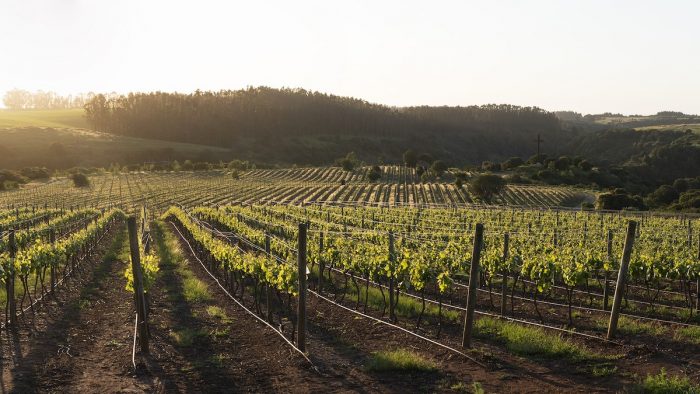
For those navigating the vibrant, bustling streets of Santiago, the transition to the Chilean countryside feels less like a drive and more like a passage through time. While the capital serves as the modern engine of the nation, a quick excursion of less than three hours brings travelers into the heart of the Colchagua Valley, a region where the landscape shifts into a golden tapestry that many seasoned travelers compare to the rolling hills of Tuscany. As the seasons turn, the viticultural heartland of Chile undergoes a transformation, offering a serene escape that is as much about the terroir as it is about the aesthetic beauty of the harvest season.
The Colchagua Valley has long been established as one of the most prominent wine-producing regions in Chile, benefiting from a Mediterranean climate that is ideal for the cultivation of robust red varieties. During the autumn months, which in the Southern Hemisphere fall between March and May, the deciduous vines shed their summer greens for deep ochres, crimsons, and burnt oranges. This seasonal shift creates a dramatic backdrop against the backdrop of the Andes mountains, drawing comparisons to the iconic landscapes of Italy’s central provinces.
According to data from the Wines of Chile association, the Colchagua Valley is internationally recognized for its premium production, particularly its Carménère and Cabernet Sauvignon. The region’s geography—characterized by transverse valleys and a cooling influence from the Pacific Ocean—allows for a slow ripening process that contributes to the complexity of the final product. For the international traveler, this presents an opportunity to witness the “vendimia,” or harvest season, firsthand, as vineyards open their gates for tours and tasting experiences that highlight the intersection of agricultural tradition and high-end viticulture.
The Evolution of the Colchagua Valley Wine Route
While the visual allure of the valley is undeniable, its status as a premier tourist destination is the result of decades of infrastructure development and investment in wine tourism, or “enotourism.” The valley is anchored by the town of Santa Cruz, which serves as a central hub for those exploring the surrounding estates. Unlike the more industrial production zones closer to the coast, the Colchagua Valley has leaned heavily into the boutique experience, with many family-owned estates transitioning into destination wineries that include luxury accommodations and farm-to-table dining options.

The National Tourism Service of Chile (SERNATUR) notes that the development of the “Ruta del Vino” (Wine Route) has been instrumental in organizing the visitor experience. By consolidating the offerings of various vineyards, the route allows travelers to map out their journey with efficiency, ensuring that the logistical challenge of moving between estates does not overshadow the experience of the landscape. This structured approach has made the region highly accessible to both domestic tourists from Santiago and international visitors arriving via the capital’s international airport.
For those interested in the historical context of the region, the Colchagua Museum in Santa Cruz offers a deep dive into the pre-Columbian and colonial history of the area. It serves as a reminder that while the wine industry is the current primary driver of the local economy, the valley has been a crossroads of culture and commerce for centuries. The synergy between historical preservation and modern agricultural innovation is a hallmark of the region’s development strategy, which seeks to maintain the aesthetic appeal that draws tourists while ensuring the sustainability of the land.
Understanding the Terroir and Seasonal Shifts
To appreciate why the valley is often compared to the Italian countryside, one must look at the specific environmental conditions that dictate the autumn palette. The Colchagua Valley experiences a distinct diurnal temperature variation, where warm, sun-drenched days are followed by cool nights. This fluctuation is critical for the development of tannins and acidity in grapes, but it is also the catalyst for the vivid change in leaf color as the plant enters dormancy.

The National Agricultural Research Institute (INIA) of Chile emphasizes that the specific soil composition—a mix of clay and alluvial deposits—is essential to the region’s ability to produce high-quality vintages consistently. Throughout the autumn, the harvest process itself becomes a focal point of activity. Visitors can observe the manual picking of grapes, a labor-intensive practice that remains standard for many of the valley’s premium estates to ensure the quality of the fruit.
Beyond the aesthetic, the region is a case study in how climate and geography can be leveraged for economic growth through high-value agricultural exports. Chile remains one of the world’s leading wine exporters, and the Colchagua Valley is frequently cited in global market reports as a key contributor to the nation’s brand equity in the wine industry. For the visitor, this means that the infrastructure—ranging from boutique hotels to world-class restaurants—is well-equipped to handle high-end tourism, providing a level of service that matches the quality of the wine.
Practical Considerations for the Modern Traveler
Planning a trip to the valley requires a bit of logistical foresight, especially during the peak autumn harvest window. Most of the major vineyards operate by appointment, and it is highly recommended that travelers book their tours and tastings at least several weeks in advance. While a day trip from Santiago is possible, staying overnight in one of the valley’s numerous vineyard hotels is the best way to experience the transition from the busy city life to the quiet, rolling hills of the countryside.


Transportation options from Santiago are varied. Renting a car provides the most flexibility, allowing visitors to explore the secondary roads where some of the more intimate, family-run estates are located. However, for those who prefer not to drive, We find several professional tour operators based in Santiago that offer full-day and multi-day packages, including transportation, guided tours, and wine pairings. These services often include stops at historical sites in addition to the vineyards, providing a more comprehensive view of the region.
When packing for an autumn visit, it is important to prepare for a wide range of temperatures. While the midday sun can be quite warm, the mornings and evenings in the valley are crisp and cool. Layering is the most effective approach to navigating the climate. Visitors should be aware that the harvest season is a busy time for the local community. being respectful of the agricultural work underway is essential. Many estates are active, working farms, and visitors should adhere to all safety guidelines and instructions provided by their hosts.
Looking Ahead: Sustainability and Future Growth
The future of the Colchagua Valley is increasingly focused on sustainability. With global climate patterns shifting, many vineyards are adopting water-management technologies and organic farming practices to protect the long-term viability of their land. The Sustainability Code for the Chilean Wine Industry provides a framework for these efforts, encouraging estates to reduce their carbon footprint and promote biodiversity within their vineyards.
For the traveler, this means that a visit to the valley is not just a leisure activity but an opportunity to engage with a sector that is actively evolving to meet modern environmental standards. As the world continues to look toward sustainable tourism, the Colchagua Valley stands as a model for how a region can balance the demands of global commerce with the preservation of its natural and cultural heritage. Whether you are a wine enthusiast looking for the next great vintage or a traveler seeking the quiet beauty of a golden autumn, the valley offers an experience that is both grounded in tradition and looking toward the future.
As we head into the next harvest cycle, local authorities and industry groups are expected to release updated schedules for the “Semana de la Vendimia” (Harvest Week) festivities, which usually take place in March or April. We encourage readers to check the official tourism portals for the O’Higgins region for the most accurate and up-to-date information regarding upcoming events and seasonal closures. Have you visited the Colchagua Valley during the autumn months? We invite you to share your experiences in the comments section below.