Ancient Skull Reveals Intriguing Cultural Practices in Northeastern Mexico
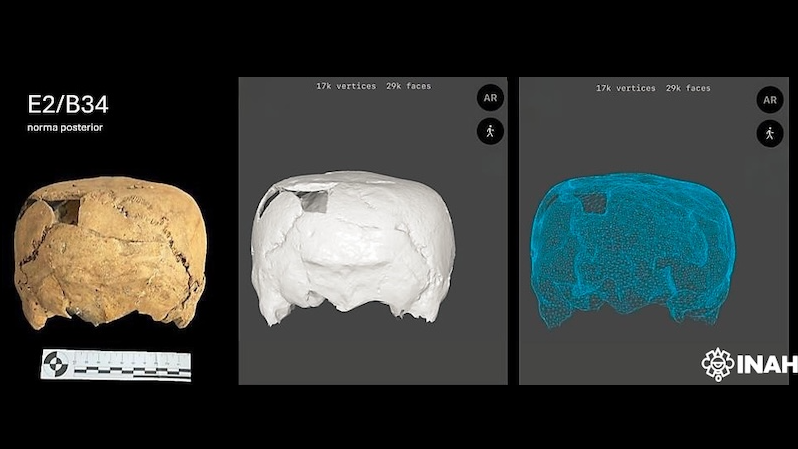
A recent archaeological discovery in the Tamaulipas region of northeastern Mexico has unearthed a captivating mystery: a human skeleton exhibiting an unusually flattened skull. This unique cranial deformation is prompting researchers to reconsider the cultural complexities of pre-Hispanic groups in the area.
The remains were found at the Balcón de Montezuma archaeological site, a location already known for its rich history. Initially, the flat-topped skull shape raised questions about the individual’s origins, as similar deformations had previously been observed in regions like Veracruz and among the Maya people.
however, elegant analysis of the man’s bones and teeth revealed a surprising truth. He was,in fact,born and lived his entire life in the Tamaulipas area,and ultimately died there as well. This finding shifts the focus from geographic origin to the potential cultural meaning of the head shaping.
The practise of Cranial Modification
cranial deformation – intentionally altering the shape of the skull – was a widespread practice in many ancient cultures throughout the world. It wasn’t a sign of status or a medical procedure, but rather a deeply ingrained cultural practice.
Here’s what we know about cranial modification:
* Cultural Identity: Different head shapes often correlated with specific cultural groups within Mesoamerica.
* Early Life Intervention: The practice involved binding the head of an infant, gradually molding the skull as it grew.
* Symbolic meaning: The exact meanings behind these modifications varied, but they likely served as markers of group affiliation, social status, or aesthetic ideals.
While this particular individual wasn’t from a different geographic location, it’s plausible that the people who intentionally shaped his head belonged to a distinct cultural group that interacted with the local population. This suggests a complex interplay of cultures in the region.
ongoing Research at Balcón de Montezuma
Investigations at Balcón de Montezuma are ongoing, led by Tonantzin Silva Cárdenas, director of INAH Tamaulipas. These continued efforts promise to unlock further insights into the site’s history and its connections to other pre-Hispanic communities.
Researchers hope to determine:
* The specific techniques used to achieve this unique cranial shape.
* The cultural context surrounding the practice in this region.
* The extent of cultural exchange between different groups in ancient Mexico.
This discovery underscores the importance of archaeological research in revealing the nuanced and often surprising stories of our past. It reminds us that even seemingly simple physical traits can hold profound clues about the beliefs, practices, and interactions of ancient civilizations.
Want to test your knowledge of the human body? Take our human skeleton quiz and see what you know about the bones within you! [Link to quiz]