
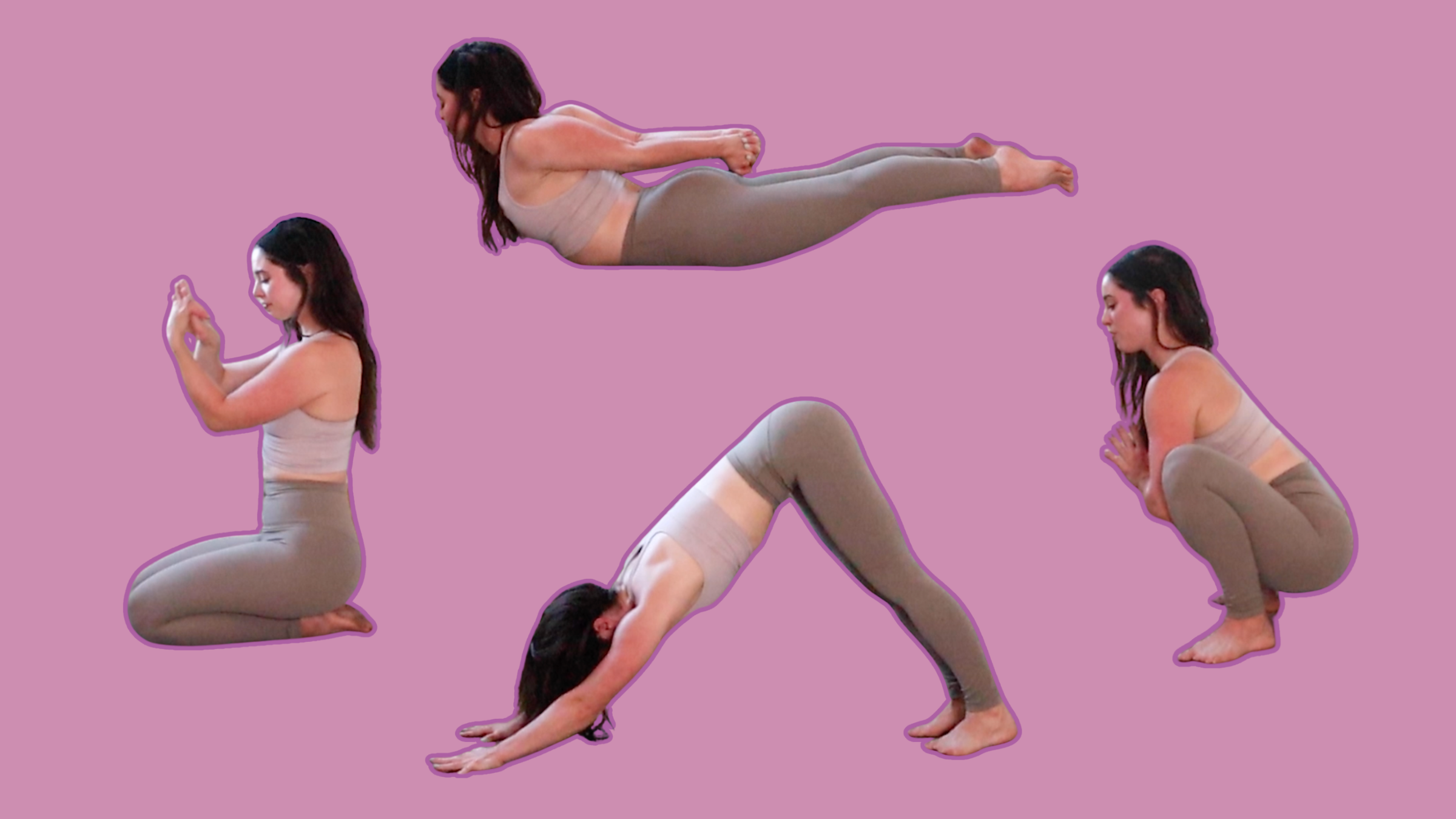
For many of us, the transition from sleep to the demands of the workday often feels abrupt. We wake up, reach for our devices and immediately shift into a state of cognitive and physical reactivity. However, incorporating a brief, intentional movement practice can serve as a physiological reset. A 15-minute morning yoga routine focusing on fluid, intuitive motion is an evidence-based way to ease tension in your entire body, helping to mitigate the physical stiffness that often accumulates during overnight rest.
As a physician, I frequently emphasize that the goal of morning movement is not necessarily to achieve peak athletic performance, but to gently signal to your nervous system that the day has begun. By prioritizing mobility and intentional breathing, you can improve joint lubrication and circulation before you even step into your first meeting. This practice is less about rigid poses and more about encouraging a “flow” that honors your body’s unique state each morning.
The Physiology of Morning Stiffness
This proves medically common to experience a sensation of tightness or stiffness upon waking. This is largely attributed to the body’s circadian rhythms, which influence physiological processes including muscle temperature and joint lubrication. During sleep, your body temperature drops and fluid dynamics in the connective tissues change. According to research from the National Institute of Arthritis and Musculoskeletal and Skin Diseases, gentle movement is essential for maintaining joint health and reducing the perception of discomfort that can arise from prolonged inactivity.
Engaging in 15 minutes of low-impact, fluid yoga helps to increase blood flow to the muscles and synovial fluid to the joints. This process, often referred to as “greasing the joints,” is a fundamental component of physical medicine. When we move intuitively—meaning we allow our body to dictate the range of motion rather than forcing a specific aesthetic alignment—we reduce the risk of strain and promote a more sustainable relationship with our physical health.
Designing Your 15-Minute Flow
To maximize the benefits of a short morning practice, structure is helpful, but flexibility is key. You do not need specialized equipment—a simple mat or even a stable carpeted surface is sufficient. The focus should remain on “conscious movement,” where you coordinate your breath with your physical transitions. This synchronization is known to stimulate the parasympathetic nervous system, which helps manage the cortisol spikes often associated with the start of a busy day.

Consider the following approach for your morning routine:
- Centering (Minutes 0–3): Begin in a comfortable seated position. Focus on deep, diaphragmatic breathing to stabilize your heart rate and prepare your mind.
- Spinal Articulation (Minutes 3–8): Utilize gentle cat-cow movements or seated spinal twists. The spine is the core of your skeletal system; mobilizing it early helps improve posture and reduces localized tension.
- Dynamic Stretching (Minutes 8–13): Move through fluid, standing, or kneeling poses that engage the hips and shoulders—areas where most adults carry the highest levels of stress.
- Integration (Minutes 13–15): Conclude with a brief period of stillness, allowing your body to absorb the benefits of the movement before transitioning into your daily routine.
Why Intuitive Movement Matters
The concept of “going with the flow” in a yoga context is frequently misunderstood. It does not imply a lack of discipline; rather, it suggests an internal focus. By listening to your body’s feedback, you can adjust your intensity based on how you feel that specific morning. This is a core tenet of mindful movement, which has been shown to improve body awareness and emotional regulation. The National Center for Complementary and Integrative Health notes that yoga, when practiced safely, can be a beneficial tool for overall well-being, including stress reduction and physical fitness.
In my clinical practice, I often advise patients that the “best” exercise is the one they can actually sustain. If a 15-minute routine feels manageable, you are significantly more likely to continue the habit long-term. Consistency, in the realm of preventative health, is far more valuable than sporadic, high-intensity exertion.
Safety and Medical Considerations
While yoga is generally safe for most individuals, it is crucial to exercise caution if you have underlying medical conditions. If you have a history of spinal disc issues, uncontrolled hypertension, or balance disorders, I strongly recommend consulting with your primary care physician or a physical therapist before beginning a new exercise regimen. Always respect your physical limits—you should never experience sharp or radiating pain during these movements.
If you are interested in exploring the scientific literature regarding physical activity guidelines, the U.S. Department of Health and Human Services provides comprehensive resources on the benefits of regular movement for adults of all ages. These guidelines emphasize that even small bouts of activity contribute to the total weekly goal of 150 minutes of moderate-intensity aerobic exercise.
Building a Sustainable Habit
To ensure this 15-minute practice becomes a staple of your morning, consider removing barriers to entry. Lay out your yoga mat or comfortable clothing the night before. If you find it difficult to stay motivated, consider viewing this time as an appointment with yourself—a non-negotiable moment of self-care that pays dividends in productivity and mental clarity throughout the day.
Medical innovation in the field of digital health has also made it easier to access guided practices, but remember that the most effective tool is your own awareness. By checking in with your body every morning, you become better attuned to its needs, allowing you to catch signs of fatigue or tension before they become chronic issues.
As we look toward the future of integrated healthcare, the role of patient-led wellness practices like yoga is becoming increasingly recognized. We are currently awaiting further updates from global health organizations regarding the long-term impact of community-based movement programs on public health outcomes. I encourage you to stay informed through reputable sources and to share your own experiences with mindful movement in the comments section below. How do you integrate physical activity into your early morning routine? Let us know your thoughts and share this article with someone who might benefit from a more fluid start to their day.