
Santiago’s municipal councilors have initiated legal proceedings against former Mayor Irací Hassler at the Regional Electoral Court (TER), alleging a “notable abandonment of duties” during her administration. This legal maneuver seeks to hold Hassler accountable for her management of the municipality, marking a significant escalation in the ongoing judicial scrutiny surrounding her tenure.
The move follows a series of intensifying legal battles involving the “Sierra Bella” case and allegations of fiscal fraud. While the councilors pursue administrative removal through the electoral court, Hassler has responded by filing her own lawsuit against Mario Desbordes, signaling a period of intense litigation for the Santiago municipality.
The legal conflict is unfolding across two distinct tracks: an administrative-electoral path focused on her fitness to hold office, and a criminal path focused on allegations of financial irregularities. As the Santiago Municipal Council moves forward with its requirements, the implications for municipal governance and the political landscape in Chile continue to broaden.
Legal Action at the Regional Electoral Court (TER)
The Santiago Municipal Councilors have formally decided to take their grievances to the Regional Electoral Court (Tribunal Electoral Regional, or TER). The core of their complaint rests on the legal concept of “notable abandono de deberes,” or notable abandonment of duties. Under Chilean law, this is a specific legal mechanism used to address officials who fail to fulfill their constitutional or statutory responsibilities, potentially leading to their removal from office.
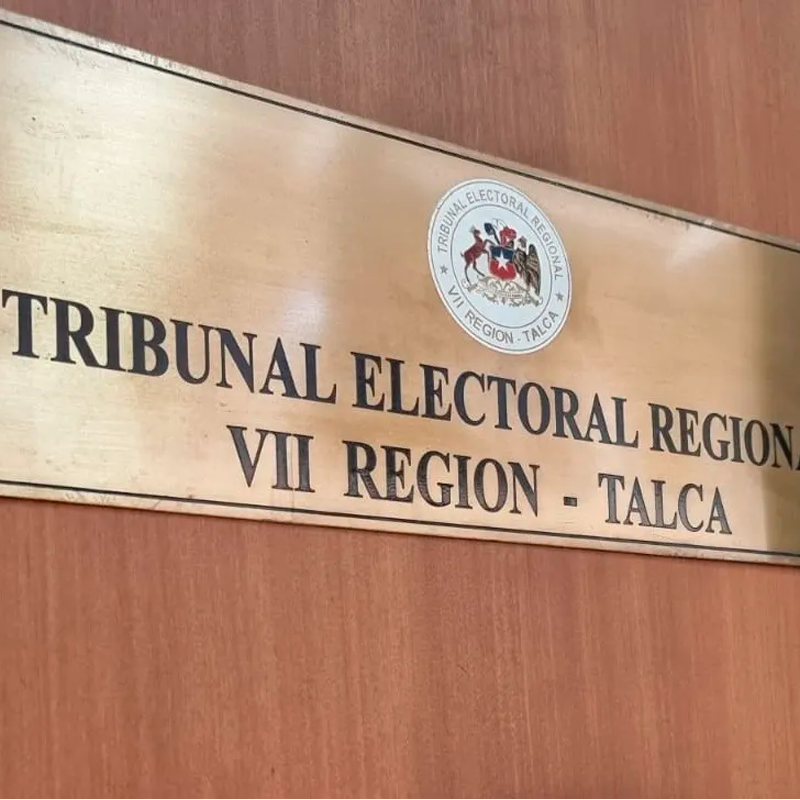
By filing this requirement, the councilors are not merely seeking a political rebuke but are pursuing a formal judicial determination of whether Hassler’s management constituted a dereliction of her official mandate. The TER is the specialized judicial body tasked with overseeing the conduct of elected officials and ensuring that those who hold public office adhere to the duties prescribed by law.
The decision by the councilors to move toward the TER represents a coordinated effort to address what they describe as a period of administrative neglect. This process is distinct from criminal proceedings, as it focuses on the integrity of the office and the fulfillment of the duties expected of a mayor in one of Chile’s most significant municipalities.
The Sierra Bella Case and Allegations of Fiscal Fraud
Parallel to the efforts at the Regional Electoral Court, Hassler’s administration has been under the microscope regarding the “Sierra Bella” case. This investigation has become a focal point for those alleging mismanagement and corruption within the Santiago municipal government. According to reports from BioBioChile, the legal scrutiny involves complex questions regarding municipal contracts and the handling of public funds.
The gravity of these allegations was underscored when a court admitted a complaint for “fraude al fisco,” or fraud against the treasury. This legal development indicates that the judiciary has found sufficient merit in the initial claims to proceed with a formal investigation into whether public money was misappropriated or handled through illegal means during the period in question.
The Sierra Bella investigation is central to the broader narrative of administrative failure being presented by the Santiago Council. While the “notable abandonment of duties” charge addresses the failure to act, the fraud allegations address the misuse of action. Together, they form a two-pronged legal challenge that characterizes the period of Hassler’s leadership as one marked by both neglect and financial irregularity.
The distinction between these two legal paths is critical for understanding the current situation:
- The TER Complaint: Focuses on the administrative and ethical failure to perform the duties of the mayoralty, aiming for removal or disqualification.
- The Fiscal Fraud Investigation: A criminal matter focused on the legality of specific financial transactions and the potential criminal liability of those involved in the Sierra Bella case.
Hassler’s Legal Counter-Offensive Against Mario Desbordes
In response to the mounting legal pressure, Irací Hassler has launched her own legal offensive. She has filed a lawsuit (querella) against Mario Desbordes, a move she characterizes as a response to a new wave of judicial and political attacks. This counter-suit highlights the highly polarized nature of the current Santiago political environment.

The lawsuit against Desbordes appears to be tied to the ongoing discourse surrounding the Sierra Bella case. Hassler’s legal team suggests that the actions and statements made by Desbordes constitute a targeted effort to damage her reputation and interfere with the judicial process. This development shifts the conflict from a purely investigative matter into a direct legal confrontation between political figures.
The involvement of high-profile political actors like Desbordes ensures that the legal proceedings will remain a matter of intense public interest. As Hassler seeks to defend her administration through these counter-claims, the Santiago municipality remains caught in a cycle of litigation that affects both the political stability and the administrative focus of the city.
Comparison of Legal Proceedings
To better understand the complexity of the situation facing the former Santiago administration, the following table distinguishes between the various legal tracks currently active.
| Legal Track | Primary Authority | Core Allegation | Potential Outcome |
|---|---|---|---|
| Electoral (TER) | Regional Electoral Court | Notable abandonment of duties | Removal from office / Disqualification |
| Criminal (Fiscal) | Criminal Courts | Fraud against the treasury (Sierra Bella) | Criminal penalties / Fines |
| Civil/Counter-Suit | Civil/Criminal Courts | Defamation or judicial interference | Damages / Legal vindication |
This multi-layered legal landscape means that the resolution of one case does not necessarily resolve the others. The outcome of the TER complaint regarding “notable abandonment” could proceed independently of the criminal investigations into the Sierra Bella case, creating a complex web of judicial outcomes for the involved parties.
As the Santiago Council moves forward with its formal requirements, the next critical checkpoint will be the initial hearing or the formal admission of the complaint by the Regional Electoral Court. This will determine whether the allegations of “notable abandonment of duties” have sufficient legal standing to proceed to a full trial.
What are your thoughts on the legal accountability of municipal leaders? Join the conversation in the comments below and share this report with your network.
Worth a look