
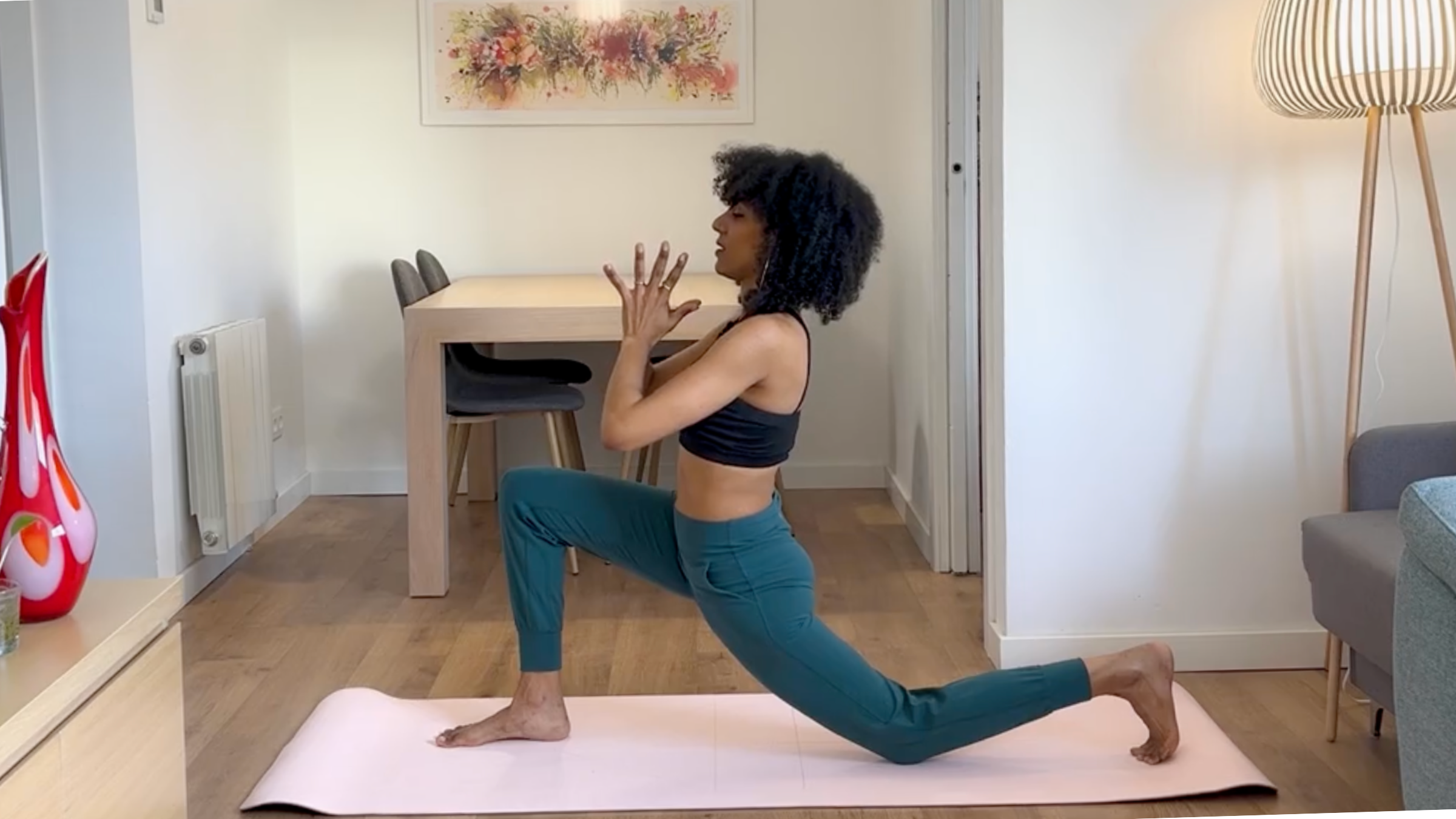
A 15-minute yoga routine can provide measurable benefits for physical flexibility and mental stress reduction, serving as an accessible intervention for individuals with limited time. Clinical research and public health guidance consistently highlight that even brief, consistent sessions of physical activity, including yoga, contribute to improved musculoskeletal health and lower cortisol levels, according to the National Center for Complementary and Integrative Health (NCCIH).
For those balancing demanding professional or personal schedules, the primary challenge is integrating movement without requiring long-form sessions. As a physician, I frequently see patients who struggle to maintain a fitness routine due to perceived time constraints. However, evidence suggests that the duration of a session is less critical than the regularity of the practice. By focusing on fundamental poses that target major muscle groups—such as the hamstrings, shoulders, and spine—practitioners can achieve a state of physical realignment in a quarter-hour window.
Physiological Effects of Short-Duration Yoga
The practice of yoga combines physical postures, breathing techniques, and meditation. According to the Mayo Clinic, these elements work synergistically to lower blood pressure and reduce heart rate. A 15-minute routine typically allows for a sequence that transitions from grounding poses to active stretching, which helps in managing the physiological “fight or flight” response often triggered by chronic stress.

When performing a shortened sequence, efficiency is gained through “flow” movements—connecting poses such as Cat-Cow, Downward-Facing Dog, and gentle spinal twists. These movements promote synovial fluid circulation in the joints, which is particularly beneficial for professionals who spend extended periods in sedentary positions. Maintaining proper alignment is essential; using intentional, controlled breathing—specifically diaphragmatic breathing—further assists in nervous system regulation.
Structuring a 15-Minute Daily Sequence
To maximize the utility of a 15-minute window, the sequence should be structured to address the most common areas of tension. The following framework provides a balanced approach to full-body mobility:
- Centering (2 minutes): Begin with seated meditation or Child’s Pose to establish focus and regulate breath.
- Warm-up (3 minutes): Utilize Cat-Cow stretches to mobilize the thoracic and lumbar spine.
- Active Poses (7 minutes): Incorporate standing postures like Warrior I or II and Downward-Facing Dog to build heat and improve structural stability.
- Cool-down (3 minutes): Conclude with a seated forward fold and Savasana, or Corpse Pose, to allow the body to integrate the session’s benefits.
The Harvard Medical School notes that yoga’s focus on mindfulness can also enhance body awareness, helping individuals identify and release tension before it manifests as chronic pain or discomfort. Consistency remains the most important factor in achieving these long-term health outcomes.
Safety Considerations for Independent Practice
While yoga is generally safe for the majority of the population, it is important to practice within one’s physical limits. Beginners should avoid overstretching and prioritize form over the depth of a pose. If you have underlying medical conditions—particularly those involving the spine, joints, or cardiovascular system—it is essential to consult with a primary care physician before beginning a new exercise regimen.

The Centers for Disease Control and Prevention (CDC) recommends that adults aim for at least 150 minutes of moderate-intensity aerobic activity per week, alongside muscle-strengthening activities. While a 15-minute daily yoga routine does not replace all cardiovascular requirements, it serves as a valuable component of an overall wellness strategy. Future updates regarding public health exercise guidelines are periodically issued by the U.S. Department of Health and Human Services; readers are encouraged to monitor these official sources for the latest evidence-based recommendations.
Have you successfully integrated short-duration movement into your daily schedule? Please share your experiences or questions regarding specific postural modifications in the comments below.